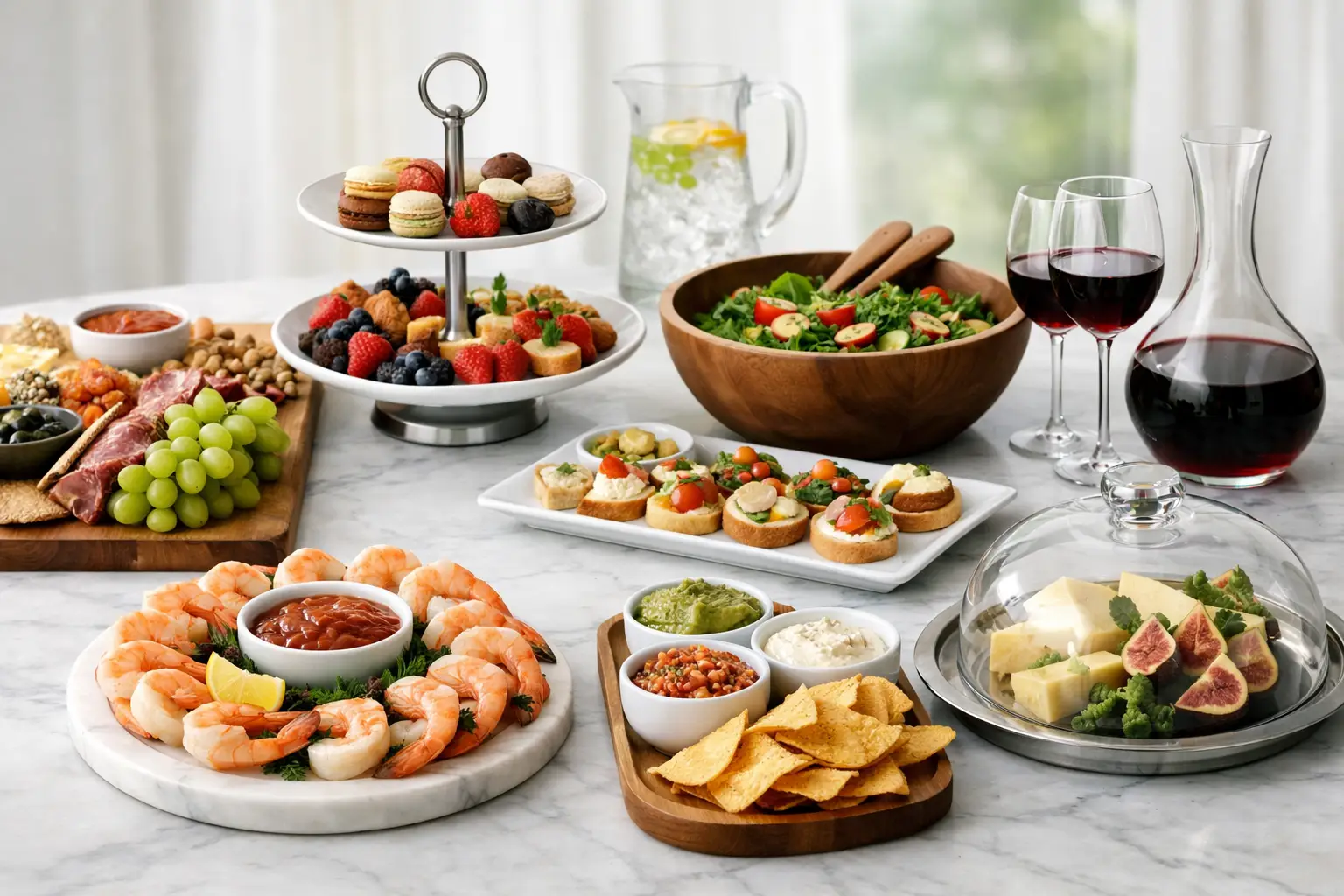
A crowded counter five minutes before guests arrive will tell you the truth fast – entertaining is easier when the right pieces are already doing half the work. The best serving pieces for entertaining are not just pretty extras. They help food stay organized, make the table feel intentional, and let you host without scrambling for mismatched bowls at the last minute.
If you like a table that looks pulled together but still feels relaxed, serving pieces are where function and style meet. A good platter can make takeout appetizers feel party-ready. A sturdy pitcher can keep everyone topped off without constant kitchen trips. And a few versatile basics can carry you from weekday family dinners to birthdays, brunches, and holiday meals without needing a cabinet full of single-use pieces.
The answer depends on how you host. If you love casual grazing boards and buffet-style dinners, wide platters and shared bowls will get used constantly. If you lean toward seated meals, serving utensils, pitchers, and side-dish bowls matter more. The sweet spot for most homes is a collection that feels flexible, easy to store, and polished enough to elevate everyday meals.
Material matters, but not in a fussy way. Ceramic and porcelain bring a classic look and move easily from table to table. Glass feels lighter and works especially well for desserts, salads, and cold dishes. Wood adds warmth and texture, though it usually needs a little more care. Stainless steel can be sleek and durable, particularly for utensils, trays, and drink service. If you want pieces that work year-round, neutral colors and simple shapes tend to earn their keep.
Size is another detail people often overlook. Oversized platters look impressive until they do not fit in your cabinet or dishwasher. Small bowls seem useful until you realize they cannot hold enough for a group. When choosing serving pieces, think in terms of real meals: pasta for six, salad for eight, a tray of appetizers, a pitcher of water with citrus slices. That practical lens usually leads to smarter picks.
If you buy one thing first, make it a large platter. It is one of the best serving pieces for entertaining because it handles everything from roasted vegetables and sliced meat to cookies, croissants, and finger foods. It also creates instant visual order. Instead of several small containers cluttering the table, one generous platter gives the spread a cleaner, more finished look.
Oval and rectangular platters are especially useful because they fit a range of foods and usually sit well on crowded tables. A slightly raised rim helps keep sauces, garnishes, and juices contained. For most households, a neutral platter in white, cream, or soft stone tones is the safest choice because it works with every season and dinner style.
A dependable serving bowl is the quiet hero of hosting. You will reach for it for leafy salads, pasta salads, mashed potatoes, rolls, fruit, and even popcorn during movie night. It is one of those pieces that does not need to be dramatic to be valuable. It just needs to hold a good amount and feel easy to pass around.
Look for a bowl with enough depth to toss and serve comfortably. Wide, shallow bowls can be beautiful for salads, while deeper bowls are better for side dishes that need a serving spoon. If storage is tight, prioritize one or two versatile medium-to-large bowls rather than buying an entire nested set you may not use often.
Hosts who like variety know the power of small serving bowls. They corral olives, salsa, shredded cheese, chopped herbs, sauces, candies, nuts, and little dessert bites. They also make self-serve meals easier, whether you are building taco night, baked potato bars, or an ice cream station.
This is where a coordinated look can make a table feel more curated. Matching or complementary small bowls keep the setup from looking random, even when the menu is casual. They are also practical beyond entertaining, which makes them an easy yes for shoppers who want pieces that multitask.
For parties and game-day gatherings, a chip-and-dip server earns its spot. It turns snacks into a ready-made centerpiece and keeps different foods from running together. If you entertain often but do not want a lot of separate pieces on the coffee table, this kind of server can simplify the whole setup.
The trade-off is storage. Sectional pieces can take up more room and may not be as flexible as a classic platter or bowl. If your hosting style changes from event to event, you may get more mileage out of separate bowls arranged on a tray.
A pitcher is one of the most underrated serving pieces in the house. Water, iced tea, lemonade, sangria, batch cocktails, and even brunch mimosas all feel more inviting when served from a dedicated pitcher rather than the bottle they came in. It reduces visual clutter and makes guests more likely to help themselves.
Glass pitchers feel fresh and versatile, especially for spring and summer. Ceramic pitchers add more substance and can double as vase-style decor when not in use. If you host outdoors, a durable material with a stable base is the smarter move. Spout design matters too – a beautiful pitcher that drips every time you pour quickly loses its charm.
A serving board has become a modern entertaining essential for good reason. It works for charcuterie, cheeses, sliced bread, pastries, desserts, and even a simple spread of store-bought snacks made to feel more special. Boards bring texture to the table and create that relaxed, generous look people love.
Wood boards feel warm and inviting, while marble or stone boards keep things cooler and slightly more formal. If you want one board to do almost everything, choose a medium-to-large rectangular style with enough surface area for layering foods without making them feel crowded.
The best table can still feel awkward if guests are using a soup spoon to serve salad. Serving spoons, tongs, cake servers, ladles, and salad servers make the meal flow better and help protect delicate dishes from getting mangled. They are small details, but they make hosting noticeably easier.
This is also where consistency helps. You do not need an elaborate collection, but a few coordinated utensils can make a table look more finished. Stainless steel works with almost any style, and it holds up well for regular use. For more casual gatherings, wood-handled pieces can soften the look and add warmth.
Not every host bakes layer cakes, but a pedestal piece still deserves consideration. It adds height to the table, which makes the overall spread look more styled and less flat. Use it for cupcakes, cookies, mini sandwiches, breakfast pastries, or even fruit.
If you entertain in smaller spaces, choose a stand that is light enough to move easily and compact enough to store without frustration. A simple cake stand can also live on the counter between gatherings, holding muffins or seasonal decor.
This may sound minor, but covered dishes are surprisingly useful when you want the table to feel neat. Butter, soft cheese, jams, relishes, and specialty condiments all look better in purpose-made pieces than in original packaging. It is a small upgrade with a big visual payoff.
These pieces work especially well for brunches and holiday meals, where little details make the table feel more complete. They are also easy to mix into everyday routines, which helps justify the purchase.
A serving tray keeps things moving. Whether you are carrying cocktails to the patio, setting up an after-dinner coffee station, or organizing glassware and napkins, a tray creates structure and saves trips back and forth. It is one of the most practical pieces for hosts who like to keep gatherings relaxed and self-sufficient.
Handles make a difference here, especially if you are navigating a full room. A tray with a slightly raised edge is even better for preventing slips. Decorative trays can also stay out between parties, styled on a dining table, console, or kitchen island.
Bread baskets and woven servers bring softness to the table, especially when you are balancing ceramic, glass, and metal pieces. They are useful for rolls, muffins, crackers, and wrapped snacks, and they instantly make meals feel a little more welcoming.
They are best for casual to moderately dressy settings. For formal dinners, you may prefer a ceramic or metal bread plate. Still, for everyday entertaining, woven pieces add charm without trying too hard.
After the basics, it is worth having one piece with personality. That might be a sculptural bowl, a textured platter, a colored glass server, or an eye-catching tray. The point is not to buy something trendy for the sake of it. It is to give your table one visual anchor so the whole setup feels thoughtful rather than purely functional.
This is where your personal style can show up. If your home leans minimal, choose a piece with clean lines and quiet impact. If you like a more layered look, a patterned or artisanal finish can add character. Kitchen Bay shoppers often want pieces that feel elevated but still easy to live with, and this is a smart place to strike that balance.
The easiest mistake is buying for fantasy hosting. A towering seafood server may look glamorous, but it is not useful if your real entertaining style is pasta night and weekend brunch. Start with the pieces that support how you actually gather: one large platter, one versatile bowl, a pitcher, a board, and basic serving utensils. From there, fill in gaps based on what you host most often.
It also helps to think seasonally. In summer, pitchers, trays, and appetizer boards tend to work harder. During the holidays, extra bowls, platters, and covered dishes suddenly become essential. If you want a collection that grows well over time, buy neutral foundations first and add accent pieces later.
The best entertaining setup is not the biggest one. It is the one that helps you serve comfortably, keeps the table looking inviting, and makes guests feel at home the second they sit down. Choose pieces that work hard, store well, and still make the meal feel a little more special – because that is usually what people remember.







Leave a comment