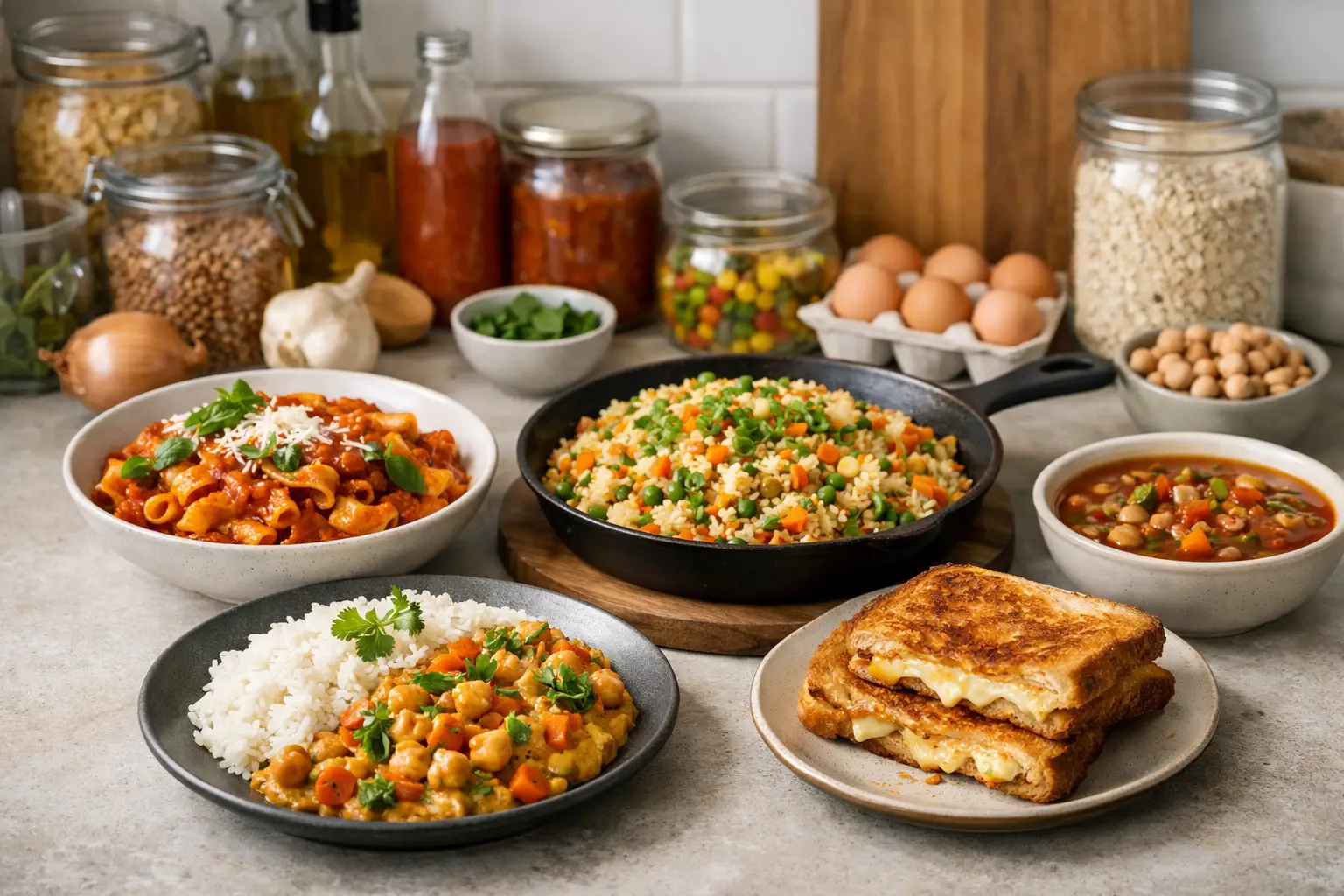
Some nights, dinner starts with a long stare into the pantry and a quiet hope that a can of beans, a box of pasta, or that last cup of rice can somehow turn into something you actually want to eat. The good news is that easy pantry staple recipes are often the ones you come back to most – not because they are a backup plan, but because they are fast, flexible, and genuinely satisfying.
A well-stocked pantry does more than save a grocery run. It gives you options when schedules get crowded, budgets feel tighter, or you simply want a meal that feels low-effort without looking or tasting like it. With a few dependable basics and a little technique, pantry cooking can feel polished, comforting, and surprisingly stylish in its own right.
The real appeal is convenience, but that is only part of it. Pantry-based meals are reliable because they lean on ingredients with a long shelf life and broad usefulness. Pasta, canned tomatoes, lentils, oats, tuna, rice, broth, peanut butter, flour, and baking staples can move between breakfast, lunch, dinner, and dessert without much planning.
They also leave room for personal taste. If you like heat, add red pepper flakes. If you want something more comforting, finish with butter or cheese. If you have a lemon, some greens, or leftover rotisserie chicken in the fridge, even better. Pantry cooking thrives on small upgrades, but it does not depend on them.
You do not need a packed, picture-perfect pantry to cook well. A practical one is enough. The most useful ingredients are the ones that can anchor a meal and pair easily with others. Think dry pasta, rice, canned beans, canned tomatoes, broth, tuna, oats, peanut butter, breadcrumbs, olive oil, vinegar, garlic powder, onion powder, and a few reliable spices.
Texture matters too. Crispy breadcrumbs, toasted nuts, crackers, or even roasted chickpeas can make a simple bowl of pasta or soup feel more finished. And if you like to bake, flour, sugar, baking powder, and vanilla are pantry heroes that pull extra weight.
This is the weeknight classic for a reason. Simmer canned crushed tomatoes or diced tomatoes with olive oil, garlic powder or minced garlic, salt, pepper, and a pinch of red pepper flakes. Toss with cooked pasta and finish with grated Parmesan if you have it.
The trade-off is simplicity versus depth. If you have 20 minutes, let the sauce reduce a little longer for richer flavor. If not, a spoonful of butter can round everything out quickly.
Canned chickpeas can become dinner with very little effort. Roast or pan-crisp them with olive oil, paprika, cumin, and salt, then serve over rice or quinoa with a quick dressing made from olive oil and vinegar.
This works especially well when you want something filling but not heavy. Add a soft-boiled egg or sliced avocado if you have one, but the bowl still stands on its own.
Tuna from the pantry does not have to taste like an afterthought. Toss cooked pasta with tuna, olive oil, a little lemon juice, capers, black pepper, and breadcrumbs toasted in a skillet.
This recipe is best when you want dinner to feel a little more elevated without adding much work. If you do not have capers, a splash of vinegar gives a similar brightness.
Red lentils cook quickly and turn creamy without cream. Simmer them in broth or water with canned tomatoes, onion powder, garlic powder, cumin, and a drizzle of olive oil.
It is cozy, affordable, and ideal for batch cooking. The texture gets thicker as it sits, so add extra broth when reheating if you prefer a looser soup.
Cold rice is the best base here, but freshly cooked rice can work if spread out to cool for a few minutes. Sauté rice with soy sauce, a scrambled egg, frozen peas if available, and any shelf-stable add-ins you like, such as canned corn or a little sesame oil.
This is one of the easiest pantry staple recipes because it welcomes leftovers and substitutions. The only real caution is moisture – too many wet ingredients can make it soft instead of lightly crisp.
Cannellini or great northern beans become a fast dinner when warmed with olive oil, garlic, broth, and Italian seasoning. Top with toasted breadcrumbs for contrast and serve with toast or crackers.
It is a gentle, comforting dish that feels especially good on cooler nights. If you want a stronger flavor, add a spoonful of tomato paste or grated cheese.
Whisk peanut butter with soy sauce, a little honey or sugar, vinegar, and hot water until smooth. Toss with noodles and finish with crushed peanuts or sesame seeds if you have them.
This is a smart option when your pantry needs to do the heavy lifting. It is rich, so a squeeze of lime or a splash of rice vinegar helps keep it balanced.
Warm canned black beans with cumin, chili powder, and a little broth or water until saucy. Spoon into tortillas and top with whatever is around – salsa, shredded cheese, hot sauce, or crushed tortilla chips.
These are ideal for busy nights because they feel like a full meal with very little prep. Rice on the side makes them stretch further if you are feeding more people.
Cook rice in broth with canned diced tomatoes, garlic powder, and oregano for a simple one-pot side that can also pass as dinner. Stir in beans for extra protein or top with a fried egg.
It is not flashy, but it is dependable and adaptable. That is exactly what makes it so useful.
Pantry cooking is not only about dinner. Oatmeal becomes more appealing when you treat it like a real dish instead of a rushed breakfast. Cook rolled oats and top with peanut butter, cinnamon, chopped nuts, raisins, or a drizzle of maple syrup.
It can skew wholesome or indulgent depending on what you add. Either way, it is one of the easiest meals to make feel warm and cared for.
Canned salmon or tuna mixed with breadcrumbs, egg, and seasonings can be shaped into patties and pan-fried until golden. Serve with rice, crackers, or a quick yogurt or mayo-based sauce.
These are especially useful when you want something with a little more structure than soup or pasta. If the mixture feels too wet, add more breadcrumbs until it holds together.
When you want a low-effort treat, pantry baking comes through. A simple cake made with flour, sugar, cocoa powder, baking soda, oil, and vanilla is deeply practical and still feels celebratory.
This is the kind of dessert that reminds you a stocked pantry supports everyday pleasure too, not just problem-solving.
Good pantry cooking is often about finish, not complexity. Acid brightens canned and dry goods quickly, so lemon juice or vinegar can wake up soups, beans, and grain bowls. Fat adds comfort, whether that is olive oil, butter, cheese, or a spoonful of tahini. Heat from chili flakes or hot sauce brings contrast when a dish feels flat.
Texture is the detail many people skip. Toasted breadcrumbs, crushed crackers, nuts, or even a crisp-edged fried egg can make a humble meal feel more complete. A few well-chosen serving pieces do some work too – a simple soup looks more inviting in a bowl you love, and a grain bowl feels more intentional when plated instead of eaten straight from the pot.
The easiest way to cook from the pantry is to keep it visible and organized. Clear canisters for grains, flour, or oats help you see what needs replenishing, and grouping ingredients by category makes meal ideas come faster. Pasta with sauces, beans with grains, baking items together – small systems save time when you are tired.
It also helps to build around a few repeat formulas instead of memorizing recipes. Pasta plus sauce plus a finishing texture. Grain plus protein plus dressing. Beans plus aromatics plus toast. Once those patterns feel familiar, dinner becomes less of a question and more of a quick decision.
That is the quiet charm of pantry cooking. It lets you cook with confidence, set the table with ease, and pull something satisfying together from what you already have. And on the nights when life feels full, that kind of ease is not just convenient – it is a luxury worth keeping within reach.







Leave a comment