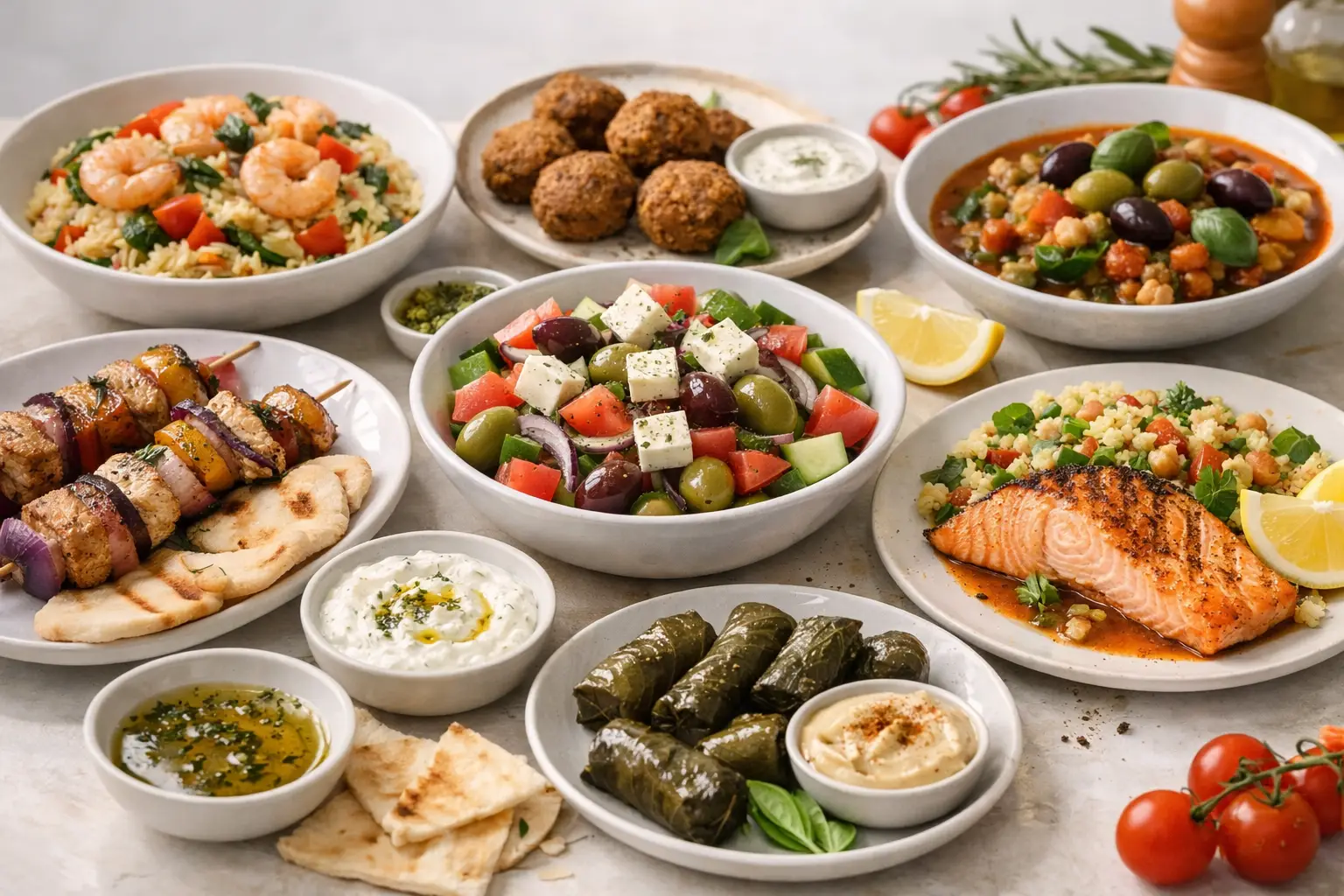
Some dinners look wholesome on paper but leave you standing at the stove with three pans going and no clean serving bowl in sight. The beauty of mediterranean diet dinner recipes is that they usually work the other way around – bright ingredients, straightforward cooking, and meals that feel generous without being heavy.
That balance is exactly why these dinners stay in rotation. They lean on vegetables, beans, seafood, whole grains, olive oil, herbs, and smart pantry staples, but they still feel like food you actually want at 6:30 on a Tuesday. If you like meals that taste fresh, look beautiful on the table, and don’t ask for restaurant-level effort, this is a very good place to start.
The appeal is practical as much as flavorful. A Mediterranean-style dinner often starts with ingredients many home cooks already keep around – canned chickpeas, pasta, rice, tomatoes, garlic, olive oil, lemon, and frozen fish or chicken. Add a few fresh elements, and dinner comes together with a little more color and a lot less stress.
There’s also room to adapt. If your household wants more protein, add grilled chicken, salmon, or shrimp. If you’re cooking for a tighter grocery budget, lentils, beans, eggs, and seasonal produce do the job beautifully. And if you’re feeding a mix of preferences, these meals are usually easy to customize at the table with yogurt, herbs, olives, feta, or an extra squeeze of lemon.
This is the kind of dinner that feels polished with very little effort. Salmon fillets roast on a sheet pan beside zucchini, red onion, bell peppers, or whatever vegetables need to be used up. Olive oil, lemon slices, garlic, oregano, salt, and pepper do most of the work.
It’s ideal for nights when you want a lighter meal that still feels complete. Serve it with quinoa, couscous, or farro if you want more staying power. The trade-off is cost – salmon can be pricier than other proteins – so this one may be more of a once-a-week favorite than an everyday default.
If your pantry is carrying dinner, this is the recipe to remember. Sauté onion and garlic in olive oil, add canned tomatoes, chickpeas, and a pinch of red pepper flakes, then fold in spinach until wilted. A spoonful of yogurt or crumbled feta on top makes it feel finished.
It’s warm, hearty, and deeply weeknight-friendly. You can eat it with crusty bread, spoon it over rice, or top it with a fried egg if you want extra richness. For households that prefer meat-centered dinners, this may read more as a cozy meatless night than a universal crowd-pleaser, but the flavor is easy to love.
For a dinner that feels organized without being fussy, Greek chicken bowls are hard to beat. Cook chicken thighs or breasts with olive oil, lemon, garlic, and dried oregano, then slice and layer over rice or farro with cucumber, tomatoes, olives, and lettuce.
This is one of the best options for families because everyone can build their own bowl. Add hummus or tzatziki if you like a creamy element. It does require a little component prep, so it works best when you have 30 to 40 minutes or a few leftovers already in the fridge.
Shrimp cooks fast, which makes this dinner feel almost unfairly efficient. Sauté garlic in olive oil, add shrimp, cherry tomatoes, white beans, and a splash of broth or white wine, then finish with parsley and lemon.
The result feels fresh and a little special, yet it’s built from simple ingredients. Serve it in shallow bowls with toasted bread to catch the juices. Because shrimp can overcook quickly, this is not the dinner to wander away from while checking email.
Mediterranean-style eating does not mean giving up pasta. It just shifts the balance, with vegetables and olive oil playing a bigger role than heavy cream or extra cheese. Whole wheat pasta tossed with sautéed zucchini, peas, asparagus, tomatoes, and spinach makes a strong case for that approach.
A shower of feta adds salt and tang, while basil or parsley keeps it bright. If whole wheat pasta isn’t your household favorite, regular pasta works too. The spirit of the meal matters more than perfection.
This dinner has classic coastal flavor and very little complication. Lay cod in a baking dish, scatter with tomatoes, sliced olives, capers, garlic, and olive oil, then bake until flaky. The sauce that forms is perfect over rice, couscous, or roasted potatoes.
It’s especially good when you want something lighter than chicken but less expensive than salmon. Cod is mild, which some people love and others find understated, so this is a good place to be generous with herbs and lemon.
Stuffed peppers can sound like a weekend project, but they don’t have to be. Mix cooked lentils with brown rice, onion, tomatoes, herbs, and a little feta, then fill halved bell peppers and bake until tender.
This is a smart make-ahead option and a solid vegetarian dinner that still feels substantial. It also looks great on the table, which matters when you want everyday food to feel a little more inviting. If you’re short on time, an unstuffed skillet version gives you nearly the same flavor with less assembly.
Some of the best mediterranean diet dinner recipes are the ones you barely have to think about. Chicken thighs roast beautifully with red onion, zucchini, lemon, and a blend of paprika, oregano, and garlic. Everything caramelizes at the edges, and cleanup stays manageable.
This dinner is especially useful for busy households because it scales well. Add potatoes for a heartier version or keep it all vegetables for something lighter. The main choice is whether you want crispy skin-on chicken or leaner boneless cuts – both work, but they give slightly different results.
If you like dinners that blur the line between practical meal prep and something you’d happily serve guests, this one delivers. Roasted vegetables, chewy farro, grilled chicken, arugula, and a lemony vinaigrette come together into a dinner salad that feels substantial rather than skimpy.
It’s also useful for leftovers. Make extra farro and vegetables once, then turn them into lunches the next day. If your weeknight energy is low, store-bought rotisserie chicken can stand in nicely.
Eggs in simmered tomato sauce are one of the smartest low-lift dinners around. Cook onion, garlic, peppers, tomatoes, cumin, and paprika until saucy, then nestle in eggs and bake or cover until the whites are set.
Shakshuka works best when you want comfort without heaviness. It’s affordable, pantry-friendly, and perfect for breakfast-for-dinner households. The only real limitation is that eggs don’t please everyone as a dinner centerpiece, so it may be better for smaller households than for a crowd expecting a traditional entrée.
A Mediterranean-inspired meatball dinner can still feel familiar for picky eaters. Ground turkey mixed with garlic, parsley, onion, and a little breadcrumb bakes or simmers in tomato sauce, then gets served with orzo, whole grain pasta, or roasted vegetables.
This recipe lands in a very useful middle ground – cozy enough for comfort-food cravings, but lighter than heavier meatball dinners. A little feta on top gives it extra personality without making it complicated.
When dinner needs to happen fast, flatbreads are a strong answer. Spread hummus over flatbread or naan, then top with roasted vegetables, cherry tomatoes, red onion, and a sprinkle of feta before baking until warm and crisp.
This is less of a formal recipe and more of a flexible formula, which is part of its charm. It’s great for using odds and ends from the fridge and easy to pair with a simple salad. If you need a more filling dinner, add grilled chicken or serve with a bean soup.
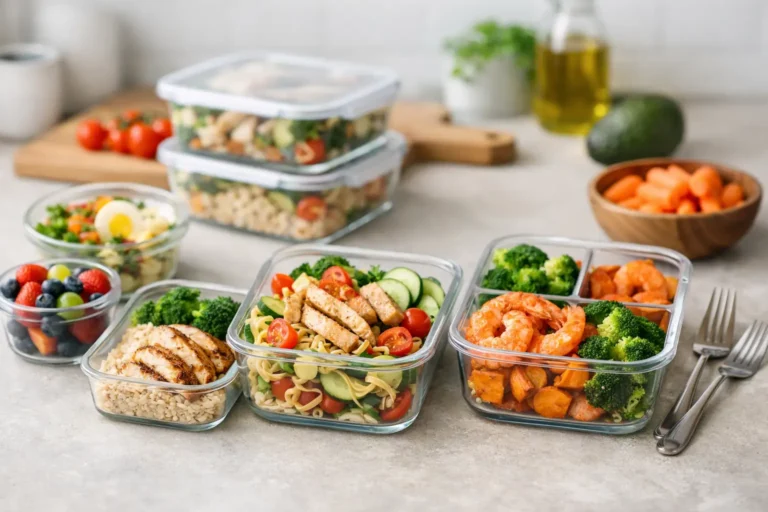
The difference between aspirational cooking and actual weeknight cooking is often prep. A few washed herbs, a batch of grains, a chopped onion, or a container of lemony dressing can make mediterranean diet dinner recipes feel much more doable.
It also helps to keep your kitchen set up for simple meals. A sturdy sheet pan, good baking dish, mixing bowls, storage canisters for grains and beans, and everyday serving pieces make the process smoother and the table feel more pulled together. That’s part of the appeal for brands like Kitchen Bay – the right tools don’t need to be flashy, they just make cooking and serving feel easier and more enjoyable.
Another useful rule is to think in components instead of strict recipes. Roast vegetables once, cook a grain, mix a quick yogurt sauce, and prepare one protein. Those same pieces can become bowls one night, salad the next, and a flatbread or pasta toss after that.
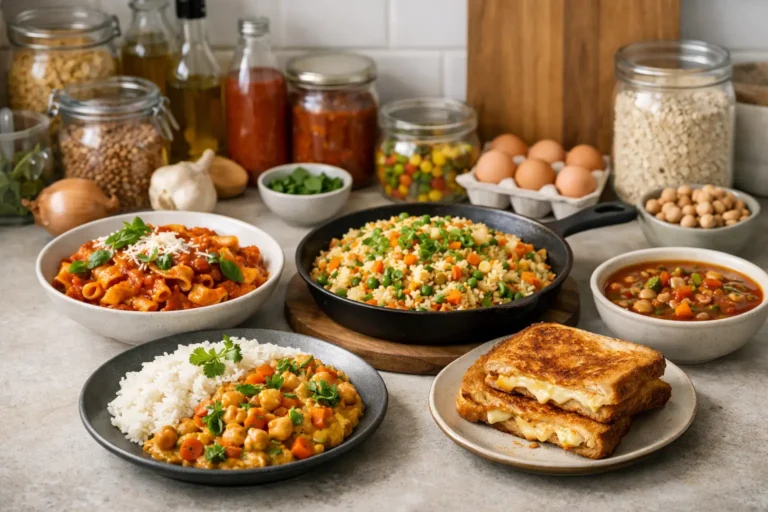
A smart pantry makes these meals feel almost automatic. Olive oil, canned beans, tomatoes, whole grains, pasta, garlic, onions, olives, capers, broth, and a few dried herbs cover a lot of ground. Add fridge staples like lemons, yogurt, feta, eggs, and sturdy vegetables, and you’re already most of the way there.
Fresh herbs are helpful, but not mandatory every time. Parsley, dill, and basil can lift a simple dish, though dried oregano and good olive oil can still carry plenty of flavor when the produce drawer is looking sparse.
The nicest thing about this style of cooking is that it doesn’t ask for perfect planning or special occasion energy. A handful of dependable ingredients, a few well-loved pans, and one good idea for dinner can make the whole evening feel a little brighter.







Leave a comment