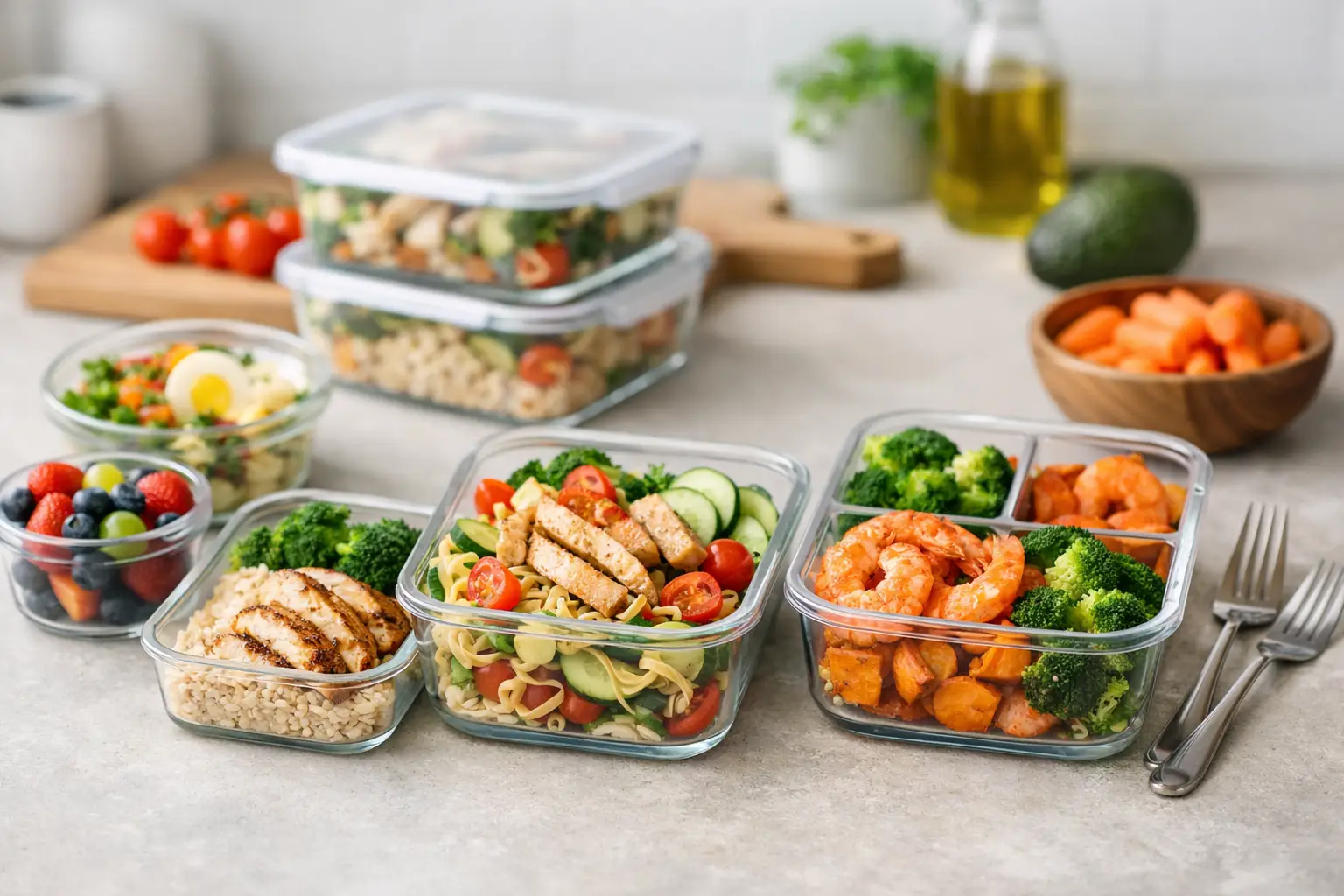
Meal prep usually sounds more intense than it needs to be. If you picture a Sunday spent washing 14 containers, cooking five identical lunches, and labeling everything with military precision, these beginner meal prep ideas are for you. The goal is not perfection. The goal is opening the fridge on a busy Tuesday and feeling relieved instead of stuck.
For most home cooks, the easiest way to start is not with a full week of rigid meals. It is with a handful of prepared basics that mix and match well, reheat nicely, and make everyday cooking faster. That approach gives you structure without making your kitchen feel like a production line.
A good starting meal prep plan has three qualities. It uses familiar ingredients, it does not ask you to cook everything from scratch, and it leaves room for changing your mind. That last part matters more than people think. If every lunch is exactly the same, boredom shows up fast.
Beginner-friendly prep also works with the tools you already use. A sheet pan, a pot for grains, a skillet, a cutting board, and a few dependable storage containers can carry most of the load. If your kitchen looks polished and organized, the whole routine feels easier to repeat, which is often the real difference between trying meal prep once and making it part of your week.
This is the easiest shift for beginners. Instead of preparing seven complete dishes, prep building blocks. Cook a batch of rice or quinoa, roast a tray of vegetables, wash and chop lettuce, and make one protein such as shredded chicken, baked tofu, or seasoned ground turkey.
With those pieces ready, you can make grain bowls one day, wraps the next, and a quick salad the day after. You still get the time savings of meal prep, but dinner does not feel locked in. It is a smart option for households where not everyone wants the same thing.
Breakfast is one of the best places to begin because it is low effort and high payoff. Overnight oats take a few minutes to assemble, and they keep well for several days. Oats, milk, yogurt, chia seeds, and fruit create a filling base, while cinnamon, peanut butter, or a spoonful of jam changes the flavor without much extra work.
This idea works especially well for busy households, apartment living, and anyone who tends to skip breakfast because mornings feel rushed. Clear containers help, too. Being able to see what is ready in the fridge makes good habits much easier to keep.
If you want one of the most practical beginner meal prep ideas, lunch bowls are hard to beat. Use a simple formula: grain, protein, vegetable, sauce. Brown rice with chicken, roasted broccoli, and a sesame-style dressing works. So does couscous with chickpeas, cucumbers, tomatoes, and lemony yogurt.
The beauty is in the repetition of structure, not flavor. Once you know the formula, you can swap ingredients based on what is on sale, what is already in your pantry, or what sounds good that week. That keeps costs manageable and reduces food waste.
Sheet pan meals are a beginner favorite because they ask very little from you. Pick a protein, add vegetables, season everything, and roast. Sausage with peppers and onions, salmon with green beans, or chicken thighs with sweet potatoes are all solid choices.
You can portion these into containers for later or simply keep the tray in the fridge and plate it as needed. If your evenings are unpredictable, this is often better than assembling individual meals ahead of time. It feels less formal and more flexible, which is helpful when schedules shift.
Not every meal prep win has to be a full lunch or dinner. Snack boxes are one of the most realistic ways to make your week smoother. Fill small containers with cut fruit, cheese cubes, crackers, nuts, hummus, hard-boiled eggs, or sliced vegetables.
These are especially useful for work-from-home afternoons, school pickups, and those pre-dinner hours when everyone suddenly wants something now. When easy options are already waiting, you are less likely to end up piecing together a snack from whatever is open in the pantry.
Dinner is where meal prep often falls apart, mostly because energy is low and expectations are high. The fix is not making dinner more elaborate. It is making the decision smaller.
One smart approach is prepping a base for two dinners instead of finishing both meals ahead of time. For example, cook taco-seasoned ground turkey once. Use it in tacos the first night, then turn the leftovers into rice bowls or loaded baked potatoes the next. Roast a batch of chicken breasts and use them for a pasta dish one night and Caesar-style wraps the next.
This kind of meal prep feels fresh because the final meal changes, even when the core ingredient stays the same. It is efficient without feeling repetitive.
A pot of soup is one of the most forgiving meal prep options around. Lentil soup, chicken vegetable soup, turkey chili, and black bean soup all hold up well in the fridge and often taste better the next day. They also reheat easily, which matters on nights when you do not want to manage multiple pans.
Soup is also a good entry point if you are cooking on a budget. It stretches ingredients well and gives you a little breathing room if you need lunches for several days. Pair it with toast, a side salad, or simple sandwiches and the meal feels complete with very little extra effort.
This is not the most glamorous idea, but it may be the most useful. If berries are rinsed, greens are dried, and carrots are peeled before they go into the fridge, they are far more likely to get eaten. Small prep steps create momentum.
This habit also helps your kitchen feel calmer and more intentional. A well-organized refrigerator turns meal prep from a chore into something more inviting. Even attractive canisters for pantry staples and neatly stacked containers can make everyday cooking feel a little more polished.
One of the easiest ways to avoid meal prep fatigue is changing the finishing touch. A basic bowl of rice, chicken, and vegetables can go in completely different directions with the right sauce. Think salsa, pesto, peanut sauce, barbecue sauce, or a simple lemon herb dressing.
This is where meal prep becomes less about strict planning and more about creating options. If your ingredients are neutral enough, one batch of prep can support several flavor profiles. That is helpful for couples, families, or anyone who likes variety without extra cooking.
A lot of beginners quit meal prep because they overcommit. Planning every breakfast, lunch, dinner, and snack for seven days sounds efficient, but real life rarely follows the script. You get invited out, leftovers pile up, or you simply stop wanting what you planned.
Leaving one night open gives your week some breathing room. It lets you use up extras, order in if needed, or cook something simple on the fly. That flexibility is not a failure of the system. It is what makes the system sustainable.
You do not need a professional setup, but a few well-chosen kitchen basics can make the process faster and far less messy. A reliable sheet pan, food storage containers in a few practical sizes, mixing bowls, and prep-friendly utensils are worth having on hand. If you enjoy soups, sauces, or smoothies, an immersion blender can earn its place quickly.
It also helps to think beyond pure function. When your kitchen tools are easy to use and pleasant to look at, cooking feels less like another item on the list. That is part of what makes the habit stick. Kitchen Bay leans into that sweet spot between practical and polished, which is exactly where meal prep tends to work best.
If you are new to meal prep, keep the first round small. Pick one breakfast, one lunch, one cooked protein, and one washed produce item. That is enough to save time without creating a giant cleanup session or a fridge full of meals you may not want by Wednesday.
The best meal prep routine is the one you will repeat, not the one that looks most impressive online. Start with food you already enjoy, give yourself room to adjust, and let convenience do what it does best – make everyday cooking feel lighter.







Leave a comment