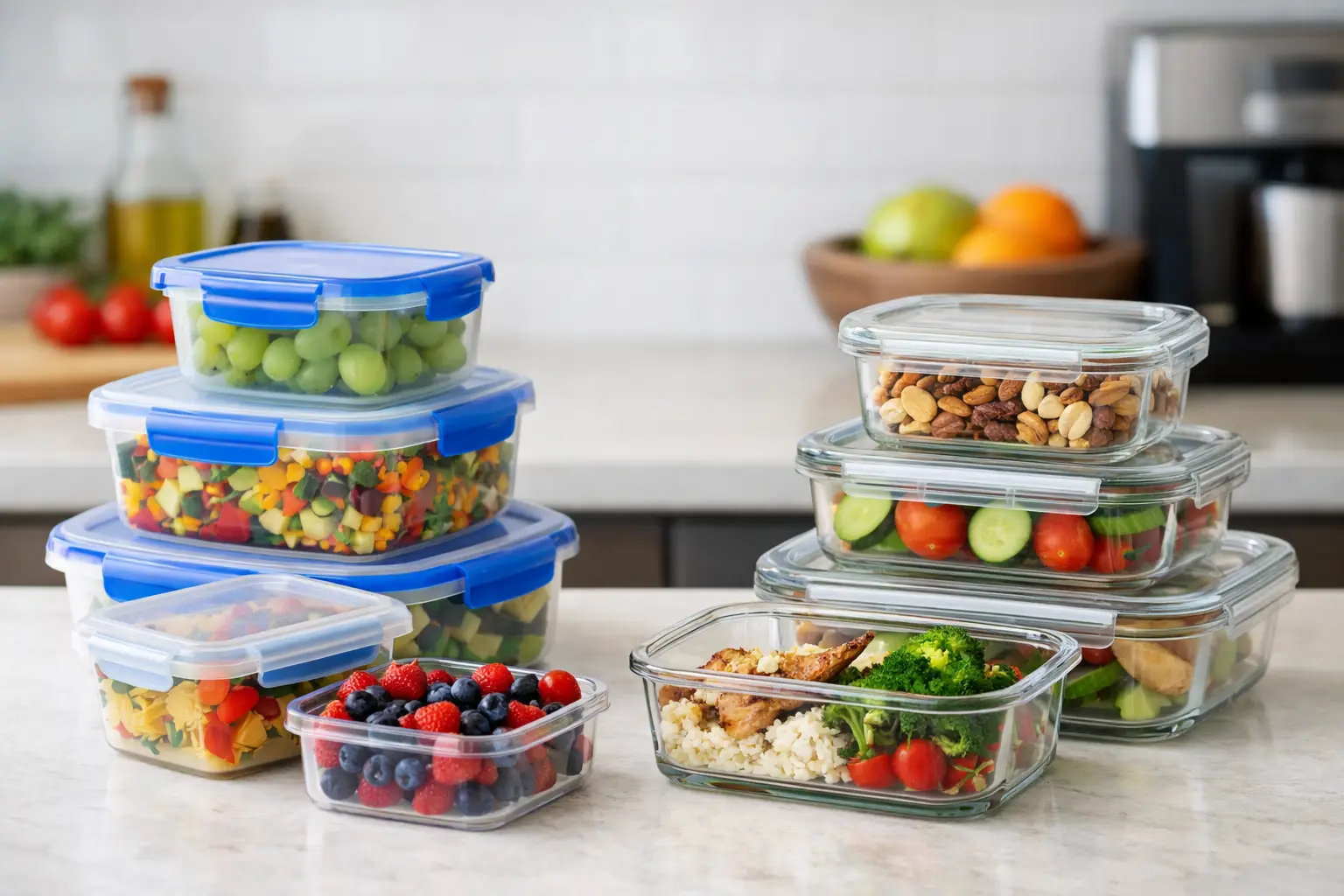
A fridge full of neatly portioned lunches, washed berries, and ready-to-reheat dinners can make a busy week feel far more manageable. But when choosing plastic vs glass food storage, the best option is not always the same for every meal, kitchen, or routine. The right containers should make cooking, packing, and putting leftovers away easier, while fitting the way your household actually lives.
Glass has a polished, pantry-to-table appeal that many home cooks love. Plastic is light, practical, and often easier to grab when the morning is moving fast. Instead of treating one as the winner in every situation, it helps to think about what you store, where it travels, and how you plan to use it next.
Glass containers are usually the better choice for reheating leftovers, storing strongly flavored foods, and creating an organized look in the refrigerator or pantry. They resist stains and odors, let you see what is inside, and can often go from fridge to oven or microwave when the manufacturer says they are safe for it.
Plastic containers shine when portability matters. They are lighter to carry, less likely to shatter if dropped, and often more practical for packed lunches, kids’ snacks, picnics, and freezer portions. Many sets also nest together neatly, which can be a real advantage in a compact apartment kitchen.
The most useful kitchen setup usually includes both. Think of glass as your at-home workhorse and plastic as your take-it-with-you helper. That simple division keeps everyday choices easy without asking one material to do every job.
Glass has a satisfying sense of permanence. A clear glass container makes last night’s roasted vegetables look inviting rather than forgotten, which can help reduce food waste. When you can quickly spot the soup, grains, or prepped ingredients waiting in the fridge, it is easier to build a meal around them.
For tomato sauce, curry, chili, marinades, and other colorful or aromatic foods, glass is a dependable pick. It does not absorb odors as readily as plastic, and it is much less likely to take on a lingering orange or red stain. That matters if you want your containers to stay fresh-looking after repeated use.
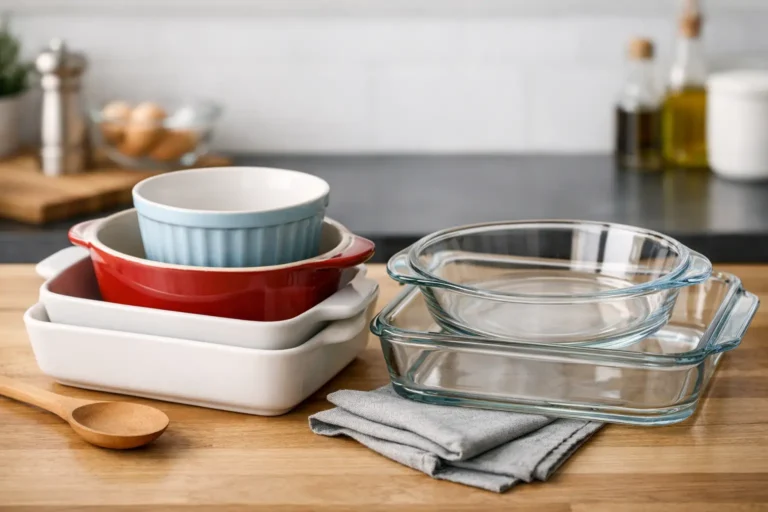
Glass is also especially convenient for leftovers you expect to heat. A quality heat-safe glass container can move from the refrigerator to the microwave, and some are oven-safe as well. Always check the product instructions first, remove plastic lids before heating unless they are specifically microwave-safe, and avoid sudden temperature changes. Putting a cold glass dish into a very hot oven can cause thermal shock and breakage.
Hosting does not have to mean transferring every dish into separate serving ware. A clean glass storage container can hold a make-ahead side dish, a colorful pasta salad, or a batch of dessert bars with a more polished feel than a mismatched plastic tub. For casual gatherings, that little bit of visual ease makes serving feel less fussy.
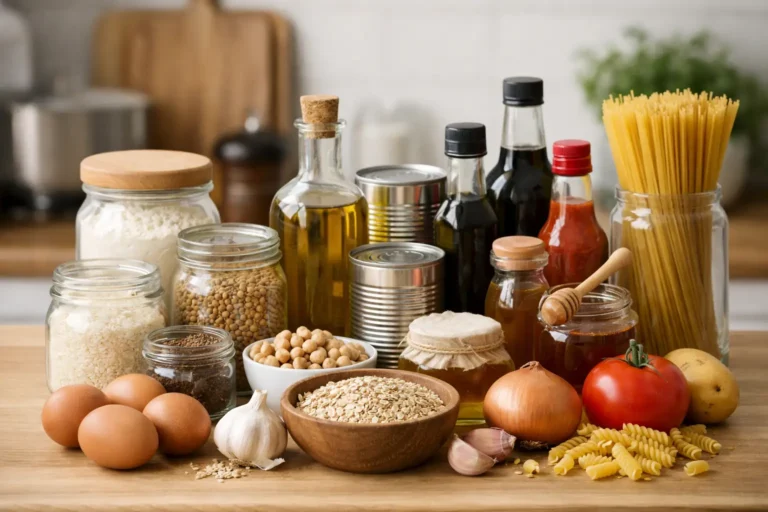
Glass containers are also a lovely fit for open shelving and organized pantries. Dry goods such as oats, rice, flour, nuts, and coffee look tidy in clear glass canisters, while airtight lids help preserve freshness. They turn useful ingredients into part of the kitchen’s décor.
Glass is heavier, and that can be a drawback when you are packing several lunches or carrying food to work. It can also chip or break if dropped, even when made from tempered glass. If you have young children, a crowded commute, or a habit of eating lunch away from a stable table, glass may not be the most relaxing choice for every meal.
It also takes up more room and can feel less forgiving in a packed cabinet. Choosing stackable shapes and matching lid sizes can make a major difference. A small, coordinated set is often more useful than a cabinet full of random containers.
Plastic storage is built for movement. It is easy to lift, practical for meal prep, and far less stressful when it ends up in a backpack, gym bag, or child’s lunchbox. For households that pack food daily, that convenience can outweigh the appeal of glass.
A lightweight container is easier to carry and less likely to turn a lunch bag into a burden. Plastic is ideal for cut fruit, sandwiches, crackers, trail mix, and portioned snacks. It is also useful for sending leftovers home with guests, bringing treats to a school event, or storing a freezer meal you may want to stack efficiently.
For meal prep, plastic containers can be a smart way to portion several servings at once. Look for sturdy, reusable containers with well-fitting lids rather than thin, disposable-style tubs. Clear sides are helpful, and stackable rectangular containers tend to make the most of refrigerator shelves and freezer drawers.
Not every container needs to be beautiful enough for the dinner table. Sometimes you simply need something that can hold chopped onions, pack a quick breakfast, or keep a handful of cookies from getting crushed on the way to a friend’s house. Plastic does those small jobs with very little fuss.
It is also often more budget-friendly, especially when building a starter collection. If you are moving into a first apartment, setting up a family kitchen, or replacing a hodgepodge of missing-lid containers, a practical plastic set can bring instant order to the routine.
Plastic can stain from tomato-based dishes, turmeric, beets, and oily sauces. Strong flavors may also linger, particularly in older containers with scratches or worn surfaces. Washing containers promptly can help, but glass is usually the easier material for meals with intense color or aroma.
Heat is another reason to pay attention. Choose plastic labeled for food storage and follow its microwave and dishwasher instructions. Even microwave-safe plastic should not be overheated, especially with oily foods that can become much hotter than water-based meals. When possible, transfer hot leftovers to glass before reheating, or let food cool slightly before sealing it in plastic.
Start with your real routine, not an idealized one. If you cook dinner most nights and rely on leftovers for lunch, invest in glass containers in a few useful sizes: small for sauces and snacks, medium for individual portions, and larger options for family-style leftovers. If you pack lunches for work, school, or weekend outings, add lightweight plastic containers that can handle the trip.
Lids deserve as much attention as the container itself. A container is only useful when its lid is easy to find, seals reliably, and does not warp after a few washes. Leak-resistant lids are helpful for soups, dressings, and overnight oats, while simple snap or press-on lids may be perfectly fine for dry foods and refrigerator storage.
Shape matters, too. Round containers work well for soups, dips, and sauces, but rectangular containers often use shelf space more efficiently. If cabinet space is tight, choose a set designed to nest when empty and stack when full. Those details make it more likely that your storage system stays organized after the first week.
A balanced collection lets you cook, create, and celebrate without overthinking where every ingredient belongs. Keep glass containers for leftovers, reheating, and foods that deserve to stay fresh-looking. Use plastic for lunches, snacks, freezer portions, and any meal headed out the door.
You may also want separate pantry canisters for dry staples. Airtight storage for pasta, baking ingredients, coffee, and cereal makes everyday cooking feel more orderly, while clear containers help you see when it is time to restock. Pair them with attractive serving pieces and practical prep tools, and your kitchen begins to work as beautifully as it looks.
Kitchen Bay believes the best home essentials earn their place through both usefulness and style. A few thoughtfully chosen storage pieces can make weeknight cooking smoother, your refrigerator calmer, and spontaneous hosting much easier.
The next time you put away leftovers, let the meal guide the choice: glass for the warm, saucy dish you will reheat tomorrow; plastic for the portable snack you need to grab on the way out. That small habit is often all it takes to make your kitchen feel more organized and ready for whatever the week brings.







Leave a comment