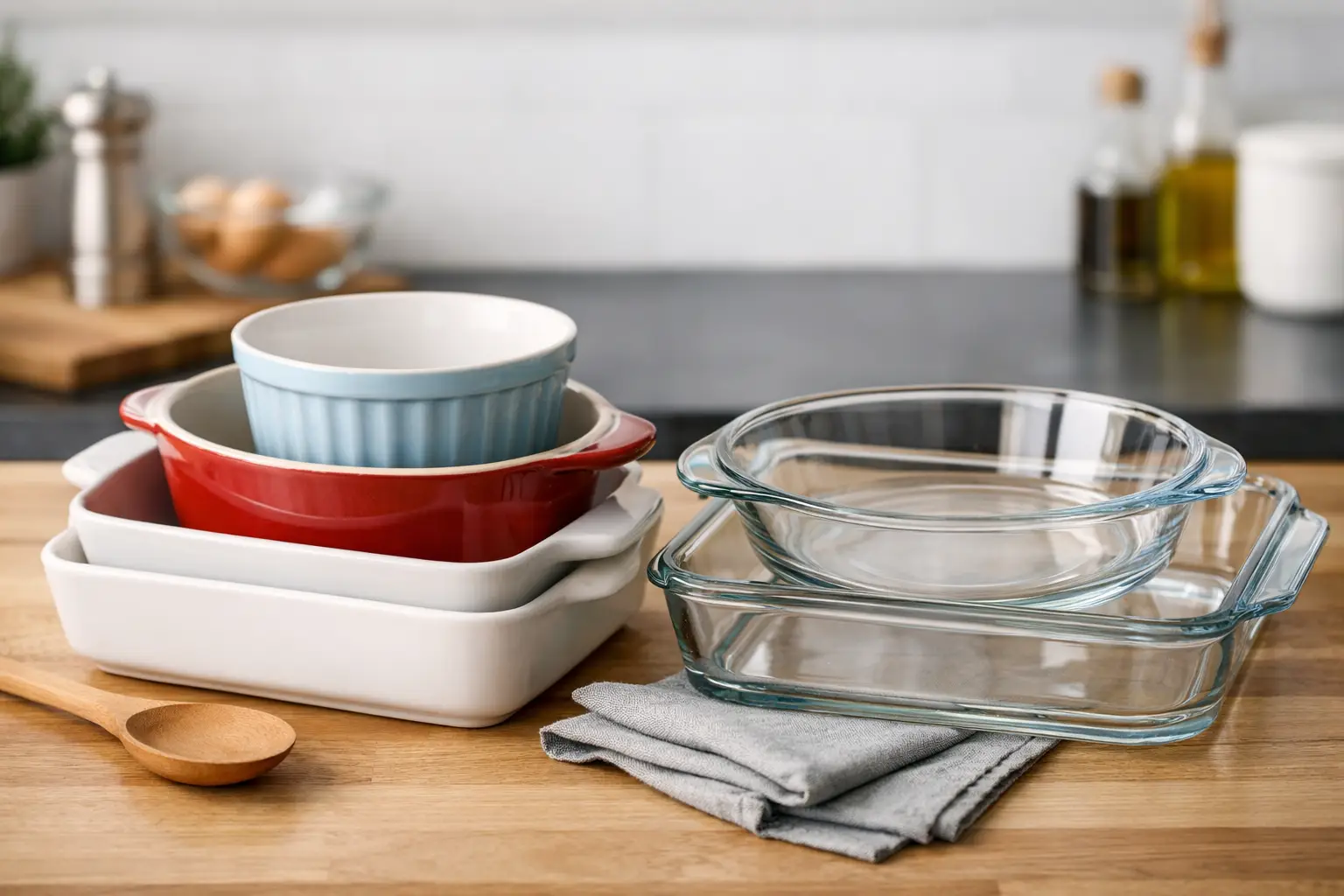
A bubbling lasagna, a crisp-topped fruit cobbler, or a weeknight chicken bake deserves more than a disposable pan. When choosing between ceramic vs glass bakeware, the best option often comes down to what you cook, how you serve it, and how much you want your bakeware to do beyond the oven.
Both materials can turn out beautiful, dependable meals. The real difference is in the details: how they hold heat, how easily you can monitor browning, how they handle storage, and whether the dish feels at home on your dinner table. Here is how to choose the piece that will make everyday cooking and easy entertaining feel a little more polished.
Ceramic bakeware is usually the choice for cooks who want a warm, elevated presentation. It comes in a wide range of colors, shapes, and finishes, so a casserole dish can move from oven to table without looking purely functional. Ceramic also holds heat well, which is especially lovely for baked pasta, scalloped potatoes, and cozy dishes that stay on the table while everyone goes back for seconds.
Glass bakeware has a practical advantage you can see immediately: you can watch what is happening around the edges and underneath your food. That visibility is helpful for brownies, cobblers, cinnamon rolls, and layered casseroles, where knowing whether the bottom is browned can save dessert. Glass is also a natural fit for households that like to bake, refrigerate, reheat, and serve from one dish.
Neither is automatically better. A beautiful ceramic baker may be your favorite for hosting, while a clear glass dish earns its place as the reliable weeknight workhorse.
Ceramic absorbs heat gradually and retains it after leaving the oven. That lingering warmth helps keep a casserole or gratin hot through dinner, and it can support gentle, even baking for foods with a creamy interior. If you are bringing baked macaroni and cheese to the table, ceramic makes the meal feel intentionally served rather than simply transferred.
Glass also heats evenly, but it may respond differently depending on its thickness and construction. Its transparent sides make it easier to check a baked dish without disturbing it. For recipes that depend on judging the bottom crust, such as blondies or a breakfast strata, that is a genuinely useful feature.
The trade-off is that both materials retain heat longer than a lightweight metal pan. Food can continue cooking for a few minutes after it comes out of the oven, so remove custards, egg dishes, and tender baked goods as soon as they are properly set.
If deeply browned, very crisp edges are the goal, metal bakeware is often the strongest contender. But between ceramic and glass, the decision is more recipe-specific. Ceramic is excellent for comforting, saucy dishes where even heat and a golden top matter more than a sharp, crisp bottom.
Glass lets you watch the lower edges as they darken, which is especially reassuring with sweets. For a fruit crisp, you can see whether juices are bubbling. For brownies, you can look for cooked edges while keeping the center pleasantly fudgy.
Always follow the temperature guidance included with your specific dish and recipe. Some glass bakeware manufacturers recommend a modest oven-temperature adjustment for certain recipes, while other pieces are designed for standard baking temperatures. The label and care instructions should have the final word.
Ceramic wins on tabletop appeal. A creamy white rectangular baker, a glossy blue pie dish, or a textured ceramic casserole can make even a simple baked dinner feel more special. It is an easy way to create a welcoming table without adding extra serving platters or more dishes to wash.
This does not mean glass has to stay hidden in the kitchen. Clear bakeware has a clean, classic look, and it lets colorful layers do the decorating. Think berry cobbler, baked ziti, roasted vegetables, or a layered dip ready for a casual gathering. It suits a bright, unfussy table and makes portioning straightforward.
If you enjoy coordinating placemats, linens, drinkware, and serving pieces, ceramic gives you more opportunities to bring color and personality into the meal. If you prefer a streamlined collection that works with anything, glass is refreshingly neutral.
Both ceramic and glass are generally easy to clean, especially when food is soaked soon after serving. Glass has one helpful advantage: because it is clear, it is easier to spot any stubborn residue before putting it away. It also makes leftovers easier to identify in the refrigerator, which can mean fewer forgotten containers at the back of a shelf.
Ceramic’s glazed finish is also simple to care for, though darker glazes and decorative finishes can make fine scratches or residue less visible. For either material, skip harsh scouring pads unless the manufacturer specifically approves them. A gentle soak, soft sponge, and a little patience will protect the finish and keep your bakeware looking ready for company.
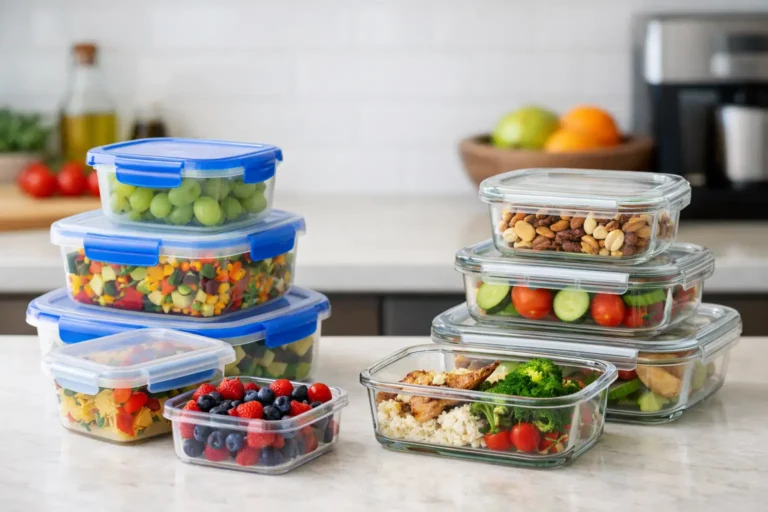
Lidded pieces or dishes that fit neatly under wrap are especially useful for meal prep. Bake a casserole on Sunday, store leftovers in the same dish, and reheat a portion when the week gets busy. That kind of flexibility makes a well-chosen baker earn its cabinet space.
The biggest concern with both ceramic and glass is thermal shock: a sudden temperature change that can cause a dish to crack or break. A cold dish should not go straight into a very hot oven unless its manufacturer explicitly says it is safe to do so. Likewise, never set a hot dish on a wet, cold surface or add cold liquid to it while it is still hot.
Use a dry towel, trivet, or cooling rack when taking bakeware from the oven. Let it cool before washing, and avoid placing it under a broiler unless the product instructions clearly allow broiler use. These small habits are less glamorous than choosing a color or shape, but they help protect your favorite pieces for years of dinners, desserts, and celebrations.
Quality matters here. Ceramic can refer to stoneware, porcelain, or other glazed materials, while glass bakeware can vary in composition and heat tolerance. Check the product details for oven-safe temperatures, dishwasher compatibility, microwave use, freezer suitability, and broiler guidance rather than assuming every dish performs the same way.
Ceramic is a smart pick when presentation is high on your list, when you regularly serve family-style meals, or when you want bakeware that complements your dining space. It is particularly satisfying for casseroles, baked pastas, gratins, cobblers, and dishes you want to keep warm on the table.
Choose glass when you value visibility, straightforward storage, and a versatile, classic look. It shines for brownies, bars, fruit desserts, baked breakfasts, and layered recipes where checking the bottom and sides helps you bake with confidence.
For many kitchens, the most useful answer is not ceramic or glass. It is one of each in the sizes you use most. A dependable 9-by-13 glass dish can handle weekday baking and leftovers, while a ceramic casserole or pie dish brings extra warmth to weekend meals and holiday tables.
The best bakeware is the kind that invites you to cook more often. Choose a piece that fits your favorite recipes, feels good to carry to the table, and makes a simple homemade meal feel worth gathering around.







Leave a comment