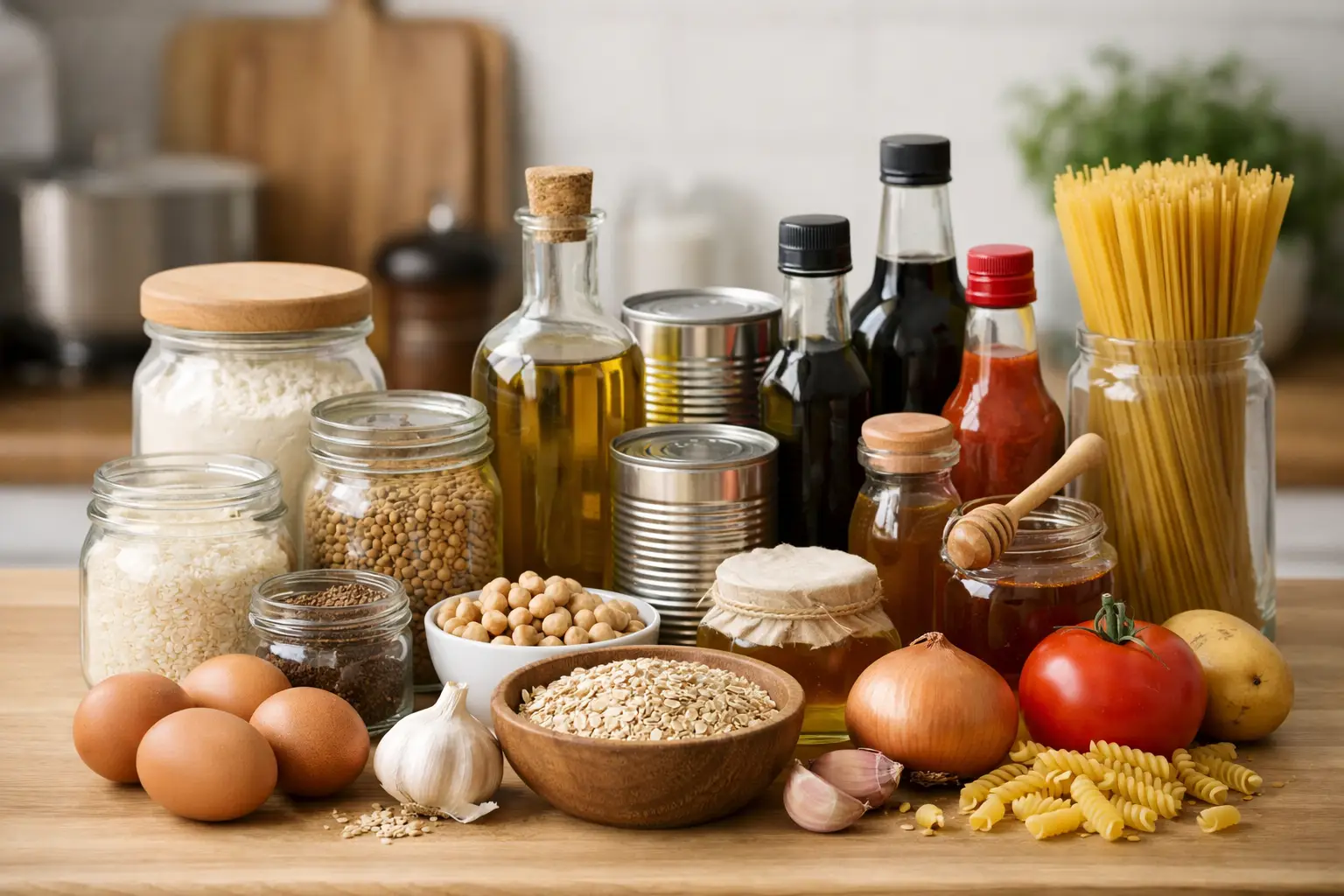
A nearly empty kitchen can make a simple dinner feel like a big project. The right pantry staples for beginners change that. With a few flexible ingredients on hand, you can turn a last-minute grocery run, a few vegetables, or leftover chicken into a meal that feels planned – and makes everyday cooking far less stressful.
The goal is not to stock a picture-perfect pantry in one trip. It is to build a useful foundation around the meals you actually like to eat. Start small, choose ingredients with more than one purpose, and give them a designated place so you can see what you have.
A good beginner pantry earns its shelf space. Think ingredients that work across breakfasts, lunches, dinners, and the occasional baking project. Buy the versions you will genuinely use, especially if you are cooking for one or two people. A large container is only a bargain if it does not sit untouched until it loses its flavor.
Rice is a dependable place to start because it works with almost anything: stir-fries, grain bowls, soups, burritos, and simple meals topped with an egg. Long-grain white rice cooks quickly and keeps well, while brown rice has a nuttier flavor and more fiber but takes longer. If you prefer faster options, couscous or quick-cooking quinoa can fill the same role.
Keep one or two pasta shapes you enjoy. Spaghetti handles a quick tomato sauce beautifully, while short shapes such as penne or rotini are great for baked pasta, pasta salad, and meals with beans or vegetables. Pasta is especially helpful on nights when the refrigerator looks sparse but you still want something warm and satisfying.
Black beans, chickpeas, and cannellini beans are hardworking choices. Add them to salads, tacos, soups, pasta, or grain bowls for affordable protein and texture. Canned beans are convenient, but dried beans can be a smart value once you are comfortable planning ahead. Rinse canned beans before using them to reduce excess sodium and give them a fresher taste.
A can of crushed tomatoes, diced tomatoes, or tomato sauce opens the door to countless meals. Use it for pasta sauce, chili, shakshuka-inspired eggs, soups, and braises. Crushed tomatoes are a particularly versatile first buy because they can stay rustic or cook down into a smoother sauce.
Vegetable, chicken, or beef broth adds more flavor than plain water to rice, soups, sauces, and grains. Cartons are simple to use, while bouillon cubes or paste take up less room and last longer after opening. If you choose bouillon, taste before adding extra salt – it can be quite concentrated.
A neutral oil, such as avocado, canola, or vegetable oil, is useful for sautéing and roasting. Olive oil brings a richer flavor to dressings, vegetables, pasta, and finished dishes. You do not need every kind at once. One neutral oil and one olive oil cover most beginner cooking needs.
Vinegar is the small finishing touch that wakes up a dish. Apple cider vinegar is approachable for dressings and slaws, while red wine vinegar pairs well with beans and roasted vegetables. Rice vinegar is mild and excellent for quick pickles or simple Asian-inspired sauces. Start with one bottle, then add another when your regular meals call for it.
Salt and black pepper are nonnegotiable, but a few more seasonings will keep your meals from tasting repetitive. Choose spices based on what you cook most often instead of trying to collect a full rack right away.
For a versatile starter set, keep garlic powder, onion powder, smoked or sweet paprika, ground cumin, dried oregano, and red pepper flakes. Garlic and onion powder create an easy savory base; paprika brings warmth and color; cumin suits beans, tacos, and chili; oregano works in tomato sauces and salad dressings. Red pepper flakes are optional, but they add a welcome bit of heat when a meal needs lift.
Whole spices and specialty seasoning blends can be wonderful, but ground spices are usually more beginner-friendly. Label jars with the purchase month and replace them when their aroma fades. An organized spice drawer, small shelf riser, or clearly marked canisters makes it easier to reach for what you own rather than buying duplicates.
Once your basics are in place, these additions help you create flavor quickly and keep meals interesting:
These are not mandatory. If you never bake, flour can wait. If seafood is not your thing, skip canned fish and choose another quick protein. A pantry should support your routine, not make you feel obligated to cook a certain way.
The easiest way to use pantry staples is to stop thinking in terms of strict recipes. Build a meal from a base, a protein, vegetables, and a flavor booster. Rice with black beans, frozen corn, salsa, and a fried egg is one example. Pasta with canned tomatoes, chickpeas, oregano, and olive oil is another.
Frozen vegetables deserve a place in this plan, even though they do not live in the pantry. A bag of peas, spinach, broccoli, or mixed vegetables extends what you can make without worrying about produce going bad. Eggs, onions, garlic, cheese, and a few fresh vegetables round out the refrigerator side of a well-stocked beginner kitchen.
Try keeping one easy meal in mind for each category. For grains, it might be rice bowls. For pasta, it could be tomato pasta with beans. For canned goods, think soup or tacos. This creates a reliable rotation without making cooking feel repetitive.
Good organization is not about matching containers. It is about making your ingredients easy to see, easy to reach, and easy to use before they expire. Keep everyday items at eye level, place back-up packages behind open ones, and group ingredients by how you cook: grains together, canned goods together, baking supplies together.
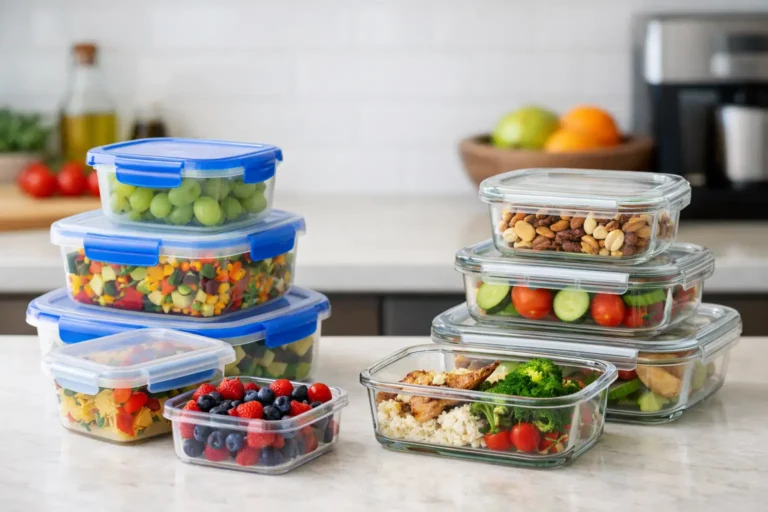
Clear storage canisters are useful for rice, oats, flour, and pasta because they show when you are running low. They can also help protect dry goods from humidity and keep shelves looking calm and intentional. At Kitchen Bay, practical storage pieces can help turn a crowded cabinet into a kitchen that feels more inviting to cook in.
Write the date on opened packages or transfer dry goods to labeled containers. Once a month, take five minutes to check what needs to be used. That half-used bag of lentils or open jar of salsa may be the starting point for next week’s dinner.
Beginner kitchens often get overloaded with ingredients that sound exciting but have only one use. Avoid buying a specialty sauce, unusual grain, or large spice container unless you already have a meal planned for it. The same goes for bulk quantities. They save money only when they fit your household, storage space, and cooking habits.
It also helps to be realistic about shelf life. Oils and nuts can turn stale, spices lose potency, and even canned goods should be rotated. Buy enough for a few weeks of flexible meals, then let your pantry grow naturally as you learn what disappears fastest.
Your first pantry does not need to be full to be useful. A few dependable ingredients, stored where you can see them, make it easier to cook with confidence on ordinary weeknights. Start with the foods that already feel familiar, then let each meal show you what belongs on your shelf next.







Leave a comment