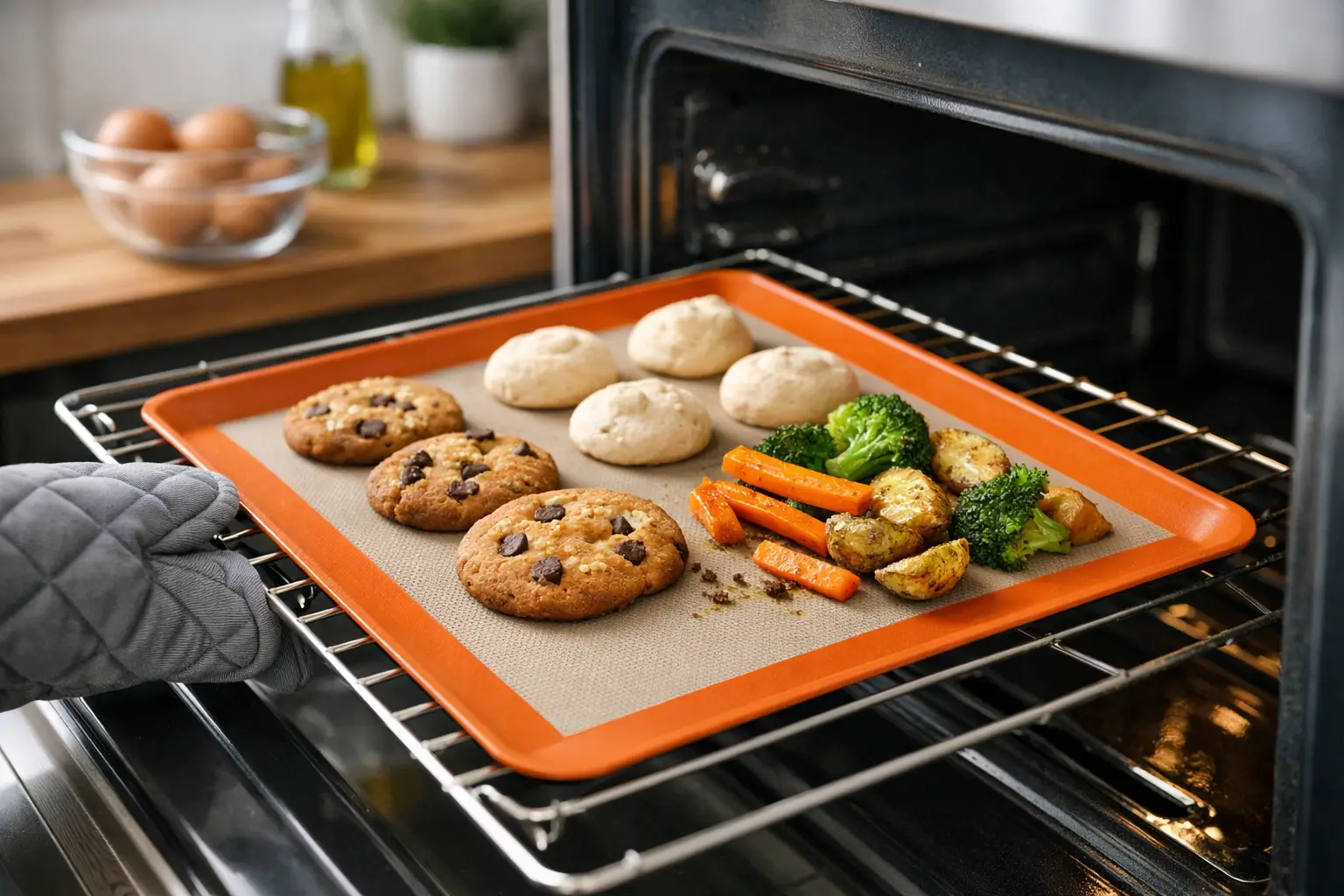
A silicone baking mat can be one of those small kitchen upgrades that changes the rhythm of a busy weeknight or a Sunday baking project. Instead of tearing off another sheet of parchment or scrubbing caramelized drips from a pan, you have a reusable surface ready for cookies, roasted vegetables, homemade candy, and more. The catch? It is not a replacement for every kind of liner. Knowing where it performs best helps you make the most of every bake.
A silicone baking mat is a flexible, nonstick sheet designed to sit directly on a baking pan. Most are made from food-grade silicone reinforced with fiberglass, which helps them hold their shape and distribute heat more evenly than a bare metal sheet pan.
For everyday baking, that means cookies are less likely to stick or develop overly dark bottoms. The mat creates a gentle barrier between delicate dough and hot metal, which is especially helpful for buttery shortbread, macarons, meringues, and sugar cookies. You can often skip greasing the pan, too, keeping recipes lighter and cleanup pleasantly simple.
It also earns its place outside the dessert category. Roast vegetables with a little olive oil, bake salmon fillets, crisp up chickpeas, or warm a batch of frozen appetizers without leaving behind a pan covered in baked-on residue. For households that cook often, the convenience adds up quickly.
The biggest appeal is reusability. A quality mat can be used again and again, reducing the number of disposable parchment sheets or foil pieces you reach for during meal prep. It is a practical choice for anyone looking to make their kitchen routine a little less wasteful without making it more complicated.
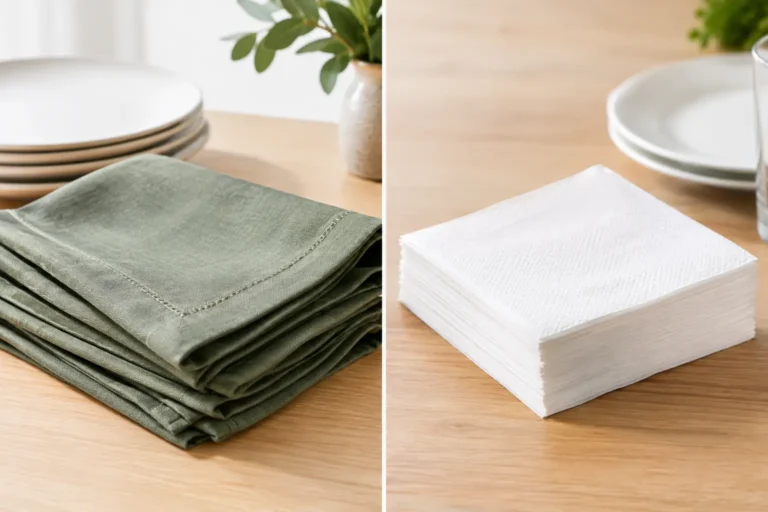
Silicone and parchment both make baking easier, but they create different results. A silicone mat is at its best when you want a reliable nonstick surface and a slightly more insulated bake. It is particularly useful for repeat batches, from holiday cookies to weekly roasted vegetables, because you can wash it and use it again.
Parchment has an edge when you want a crispier bottom or need to lift food out of a pan with ease. Brownies, bar cookies, sheet cakes, and anything sticky that you plan to remove in one piece are often better with parchment paper. Letting the paper hang over the sides of a square pan creates simple handles for lifting.
There is also the matter of cleanup. A silicone mat is wonderful for standard cookie dough and roasted foods, but parchment may be the better choice for very greasy dishes or recipes with a lot of melted cheese. Tossing a messy sheet can be more appealing than washing a mat after an extra-saucy dinner.
For high-heat roasting, check the temperature rating before you begin. Many silicone mats are oven-safe up to about 450°F, but product guidelines vary. If you love broiling or cooking at very high temperatures, a bare pan, foil, or parchment rated for the heat may be the smarter option.
Place the mat flat on a sturdy, rimmed baking sheet. It should fit comfortably inside the pan without curling up the sides. A mat that is too large can buckle, while one that is too small may slide around as you arrange food.
For cookies, leave enough space between portions of dough for spreading. Because the mat encourages even baking, you may notice that your cookies spread a touch differently than they do on an unlined pan. The first batch is your test run. If your favorite recipe normally bakes for 10 minutes, start checking around the same time and adjust based on color and texture rather than the timer alone.
For roasted vegetables, avoid crowding the sheet pan. A mat makes cleanup easier, but it cannot prevent steaming if the pan is packed too tightly. Give broccoli florets, potatoes, Brussels sprouts, or carrots enough room for hot air to circulate. A light coat of oil and a single layer will do more for browning than piling everything together.
Silicone mats are also especially useful for candy-making and dough work. Pour hot caramel, brittle, or melted chocolate onto the mat when the recipe allows, then let it cool without fighting a sticky pan. On the counter, a clean mat can double as a surface for rolling pie dough, kneading bread, or shaping homemade pizza. Just keep raw proteins and ready-to-eat baking projects separate, as you would with any food-prep surface.
A silicone baking mat does not need much maintenance, but a few good habits make a visible difference. Wash it with warm water, mild dish soap, and a soft sponge after each use. Let it dry completely before storing so moisture is not trapped in a fold.
Avoid cutting directly on the mat. Knives and sharp tools can damage the silicone surface or the fiberglass layer beneath it. It is also best to keep the mat away from an open flame, a broiler element, or the bottom of an oven where direct contact with intense heat can cause damage.
If a mat develops a lingering oily feel or a faint food odor, soak it in warm, soapy water and wash it again with a gentle sponge. Strongly scented foods, heavily spiced sauces, and very greasy recipes can leave traces behind over time. This is normal, but a mat that becomes cracked, frayed, unusually sticky, or difficult to clean should be replaced.
For storage, roll the mat loosely or lay it flat in a cabinet or drawer. Avoid making sharp folds. A relaxed roll helps preserve its shape and means it will lie flatter on your pan when it is time to bake.
The best silicone baking mat is usually the one that fits the sheet pans you already use most. Half-sheet pans are common in home kitchens, but smaller quarter-sheet and toaster-oven sizes can be equally helpful for apartment kitchens, smaller batches, and quick snacks.
Look for a mat with clear oven-safe temperature guidance and a smooth, sturdy feel. Some mats include measurement markings, circles for macarons, or guides for evenly sized cookies. Those details can be helpful if you bake frequently, although a plain mat is often more versatile for roasting and everyday cooking.
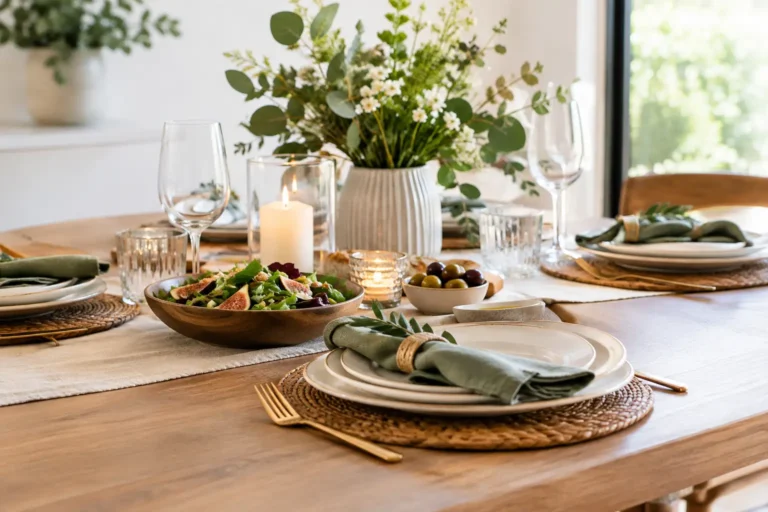
Color is another small but worthwhile consideration. A lighter mat makes it easier to see browning around cookies and pastries. A darker mat may hide stains more effectively, but it can make those subtle changes in color harder to spot. If presentation matters to you, choose a mat that feels at home alongside your favorite bakeware and serving pieces, not just one that disappears into a drawer.
A silicone mat will not replace parchment in every recipe, and it is not meant to. Its value comes from making the jobs you repeat most often feel easier: baking a tray of cookies, roasting vegetables for dinner, or preparing something homemade for friends without facing a sink full of scrubbing afterward.
Keep one near your sheet pans, and let it become part of the routine. The best kitchen tools are not always the flashiest ones. Sometimes they are simply the ones that make it easier to cook, create, and celebrate a little more often.








Leave a comment