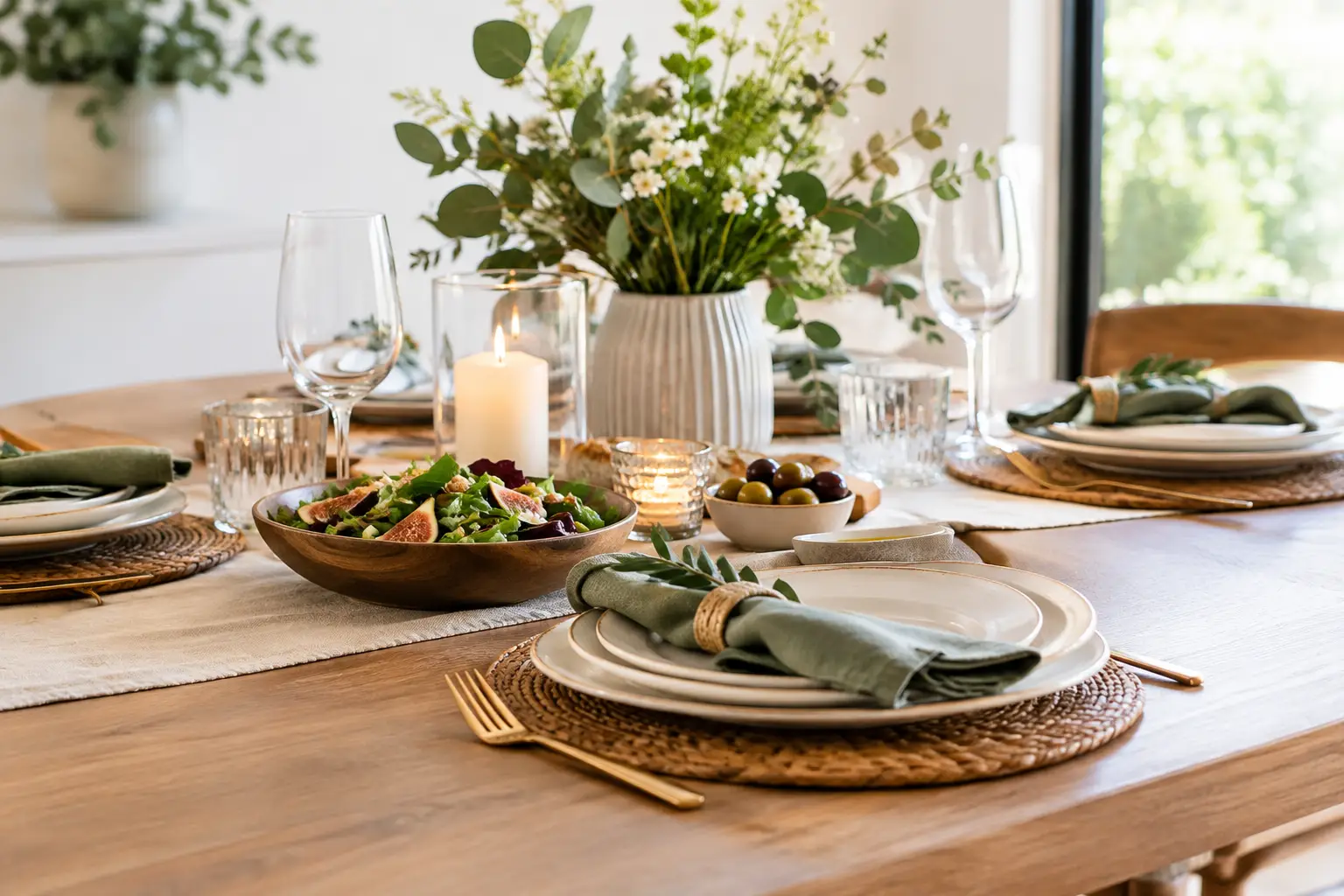
The most appealing tabletop trends are not about setting a formal table for the rare occasion. They are about making Tuesday pasta, Saturday pancakes, and a last-minute glass of wine feel a little more considered. A beautiful placemat, a softly colored tumbler, or a candlelit centerpiece can change the mood without turning dinner into a production.
For 2026, the table is becoming more personal, more flexible, and more relaxed. Think collected rather than perfectly matched, useful rather than precious, and welcoming rather than overly styled. The goal is simple: create a space that makes people want to sit down, stay awhile, and enjoy what is in front of them.
The all-neutral, ultra-minimal table still has its place, especially in small spaces or homes with a clean modern look. But many tables are moving toward warmth: richer colors, tactile fabrics, handmade-looking details, and pieces with a story to tell. This does not mean every meal needs patterned china and five kinds of serving bowls. It means choosing details that feel inviting instead of impersonal.
A table can look thoughtfully put together when it combines a few different textures. A cotton tablecloth beneath woven placemats, for example, brings depth without creating visual clutter. Clear drinkware may keep the setting light, while a colored napkin or small vase adds personality. The best combinations leave room for the food and the people around the table.
This shift is especially useful for everyday hosts. Instead of saving attractive table linens and glassware for holidays, choose pieces that can handle regular use. When the items are easy to wash, store, and reach for, an elevated table becomes part of the routine instead of another item on the to-do list.
Color is returning to the tabletop, but it is less about following one strict palette and more about choosing shades that fit your home. Earthy rust, olive, butter yellow, deep blue, soft pink, and warm brown all work beautifully because they bring a grounded, lived-in feeling to the table.
If you prefer a quieter look, start with one color family. A cream tablecloth paired with olive napkins and clear glassware feels fresh without asking much of the room. If you enjoy a little more energy, mix a patterned placemat with solid-color plates or add jewel-toned drinkware to a neutral setting. The contrast creates interest while keeping the table easy to live with.
There is one practical trade-off to consider: bold dinnerware can make a statement, but versatile neutral plates often earn more use over time. A smart balance is to keep your main plates and serving essentials classic, then bring color in through linens, glasses, candles, and seasonal accents. Those are the pieces that can change with your mood, your menu, or the time of year.
Expressive glassware is one of the easiest ways to refresh a table. Ribbed textures, tinted tumblers, and gently sculptural shapes can make water, iced tea, or a simple spritz feel more special. They also look just as good on open shelving as they do during dinner.
For smaller kitchens, select a color that works across several seasons. Amber and smoky blue are especially adaptable, while green pairs naturally with spring gatherings and holiday tables alike. A set of versatile glasses is often more useful than a cabinet full of specialty pieces that only come out once a year.
Wood, cotton, linen-look fabrics, ceramic finishes, and woven textures continue to shape dining spaces because they make a room feel softer and more welcoming. These materials are a natural fit for casual meals, but they can also look polished enough for birthdays, brunches, and holiday hosting.
A wood serving board can move from kitchen prep to the table with bread, fruit, or a simple cheese spread. Woven placemats add definition to individual place settings while protecting the table underneath. Ceramic pieces with subtle variation bring character even when the rest of the setting is simple.
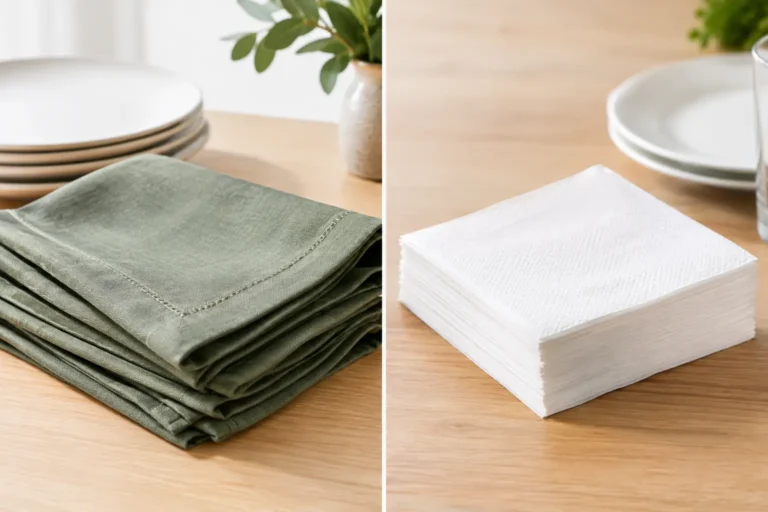
Natural materials do ask for a little care. Light-colored linens may show stains more quickly, and some wood accessories should not be soaked or sent through the dishwasher. That does not make them impractical. It simply means choosing the right pieces for the way your household actually eats. Machine-washable tablecloths and wipeable placemats are often the better choice for families, frequent entertainers, and anyone who wants a polished table without extra stress.
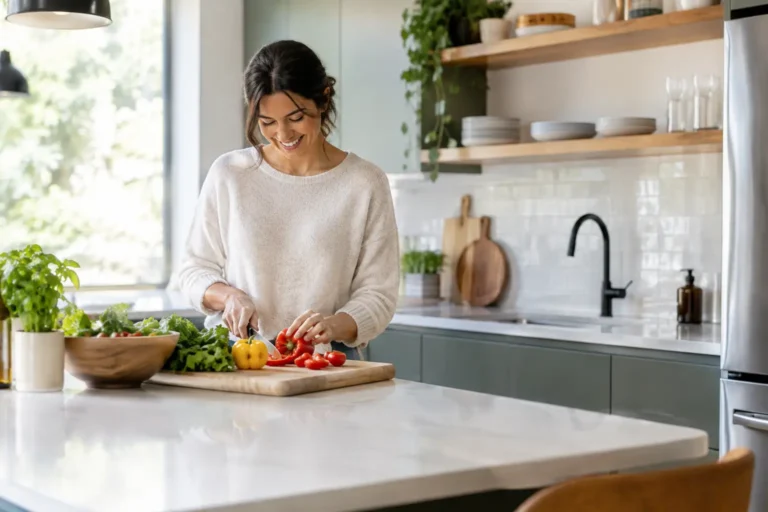
A growing number of people are embracing low-pressure entertaining: soup nights, backyard lunches, game-day snacks, dessert and coffee with neighbors. These gatherings do not need a formal menu or a separate set of dishes. They need a table that is ready to welcome people.
That is where flexible tabletop pieces matter most. A durable tablecloth can cover a dining table that also serves as a workspace. A few coordinating placemats can make a takeout dinner feel intentional. Serving bowls, pitchers, and drinkware that work across breakfast, lunch, and dinner make it easier to say yes when friends ask if they can stop by.
Keep the center of the table useful, not crowded. A low bowl of citrus, a small arrangement of grocery-store flowers, or a cluster of battery-operated candles can set the tone without blocking conversation. If you are serving several shared dishes, leave more open space for food and let the centerpiece stay small. Comfort is always more memorable than a table that looks good only in photos.
Refreshing your table does not require buying a complete matching collection. In fact, the most current look often comes from adding a few layers to what you already own. Begin with the foundation. If your everyday plates are white, cream, or another neutral, they can work with nearly any direction.
Next, choose one upgrade that changes the feel of the entire setting. It might be a textured tablecloth, a set of placemats, or new glasses. Then add a smaller accent, such as cloth napkins in a seasonal shade or a serving tray that can stay out on the counter between gatherings. This approach keeps the budget focused and helps your home feel cohesive rather than overly coordinated.
Scale matters, too. Apartment dwellers may get more value from slim placemats, stackable drinkware, and a runner that can be folded away neatly. Those with a larger dining table can experiment with layered linens, shared serving pieces, and a longer centerpiece. The right tabletop setup is the one that fits your space, storage, and habits.
Kitchen Bay makes it easier to build those small upgrades into daily rituals, from practical dining essentials to decorative details that help meals feel more inviting. Choose pieces with more than one purpose whenever possible: a pitcher for weekend brunch and weeknight water, a tablecloth for celebrations and ordinary dinners, or a candleholder that brightens both the dining table and a living-room shelf.
The most welcoming tables are not flawless. They have a slightly rumpled linen napkin, a mismatched bowl passed down from family, a serving spoon that is already in use, and food placed in the middle for everyone to share. These details signal that the table is meant for living, not just looking at.
Use trends as inspiration, not rules. If colorful glassware makes you smile, bring it out. If a crisp white tablecloth feels like your version of a treat, use it on a weeknight. Set the table in a way that makes everyday meals feel worth gathering for, then let the conversation do the rest.








Leave a comment