
A brunch table should make people want to linger for one more cup of coffee, not make the host wish they had started setting up at dawn. The best easy brunch table ideas rely on a few thoughtful layers: food that can sit comfortably, serving pieces that do double duty, and a relaxed look that feels welcoming rather than overly arranged. Whether you are hosting close friends, celebrating a birthday, or making Sunday feel a little more special, the goal is simple: Cook. Create. Celebrate. Then actually enjoy it.
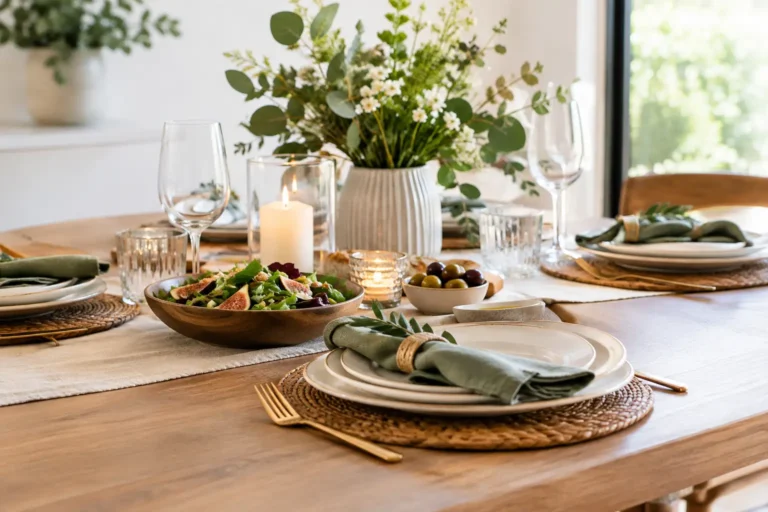
Choose a tablecloth or placemats before adding anything else. This one decision gives the table an intentional feel and makes mismatched dishes look collected rather than accidental. A neutral linen-look cloth, woven placemats, or a soft stripe works beautifully for most brunches because it leaves room for colorful fruit, pastries, and drinkware to stand out.
For a small table, placemats may be the better choice. They define each setting without covering valuable surface space, and cleanup is especially easy when little ones or syrup are involved. A tablecloth is ideal for a larger gathering, a buffet-style spread, or a table that has seen better days and could use a polished fresh layer.
Do not feel obligated to match every piece. A cohesive table often comes from repeating just two or three elements, such as clear glasses, white plates, and warm wood serving boards. That combination feels bright, useful, and easy to build on season after season.
The most successful brunch tables begin with food logistics, not decorations. Think about what needs to stay warm, what guests can serve themselves, and where people will naturally gather. A beautiful centerpiece is not very useful if it blocks the pancakes.
For a seated brunch, set each place with a plate, napkin, glass, and flatware, then place shared dishes in the center. Keep the menu streamlined: perhaps an egg bake, a fruit salad, pastries, and coffee. This approach feels generous without filling every inch of the table.
For a help-yourself brunch, create zones. Keep plates and napkins at one end, savory dishes together in the middle, and sweet items near the finish. Put drinks on a sideboard, kitchen counter, or small bar cart if possible. Separating the beverage station prevents a traffic jam around the food and gives guests a reason to move comfortably through the space.
Choose serving pieces based on the food rather than trying to force every dish into matching bowls. A shallow platter is perfect for croissants or toast, a glass bowl lets berries add color to the table, and a handled tray makes it easy to carry refills from the kitchen. Bakeware that goes from oven to table is particularly helpful for quiches, cinnamon rolls, and baked French toast. Less transferring means fewer dishes and more time with your guests.
Brunch already provides its own decoration. Golden pastries, pink grapefruit, fresh herbs, and jewel-toned berries bring more life to a table than most themed décor. Serve fruit in a clear bowl, scatter a few extra citrus slices on a platter, or tuck a sprig of rosemary beside the butter dish. These small touches look considered, but they take only minutes.
If your menu is mostly beige – think biscuits, waffles, and hash browns – add contrast through a colorful napkin, a bowl of strawberries, or a pitcher of orange juice. If the food is already vibrant, keep the tableware quiet. The right balance depends on what you are serving.
A dedicated coffee and drink area is one of the easiest ways to make brunch feel hosted. It also lets guests customize their morning without asking you where the spoons are every five minutes.
Set out mugs or heat-safe glasses, coffee, tea, milk or creamer, sugar, and a few simple extras such as cinnamon, honey, or vanilla syrup. A pour-over kettle can turn a small-batch coffee moment into part of the experience, while a large carafe is more practical for a crowd. Choose based on your guest count and how hands-on you want the morning to feel.
For cold drinks, offer one main option instead of attempting a full café menu. Sparkling water with citrus, a pitcher of iced tea, or orange juice with sliced fruit looks festive and is easy to replenish. If you are serving mimosas or a brunch cocktail, place the bottles and glasses together with a nonalcoholic alternative nearby. Everyone should be able to help themselves without feeling like an afterthought.
The center of the table needs one focal point, not a flower shop’s worth of arrangements. Low bud vases, a small bowl of fruit, or a compact candleholder will add warmth without making guests peer around the décor to talk.
If you want more dimension, use height at the edges. A cake stand can lift pastries, a pedestal bowl can hold apples or oranges, and a small lamp on a nearby console adds a soft, welcoming glow. Indoor lighting matters most for late-morning brunches on gray days or for spaces without much natural light. Keep any flame away from napkins, flowers, and little hands, or choose battery-operated candles for an easy alternative.
Fresh flowers are lovely, but they are optional. Grocery-store tulips, clipped greenery, or even a few herb sprigs in a drinking glass can feel just as inviting. The point is not perfection. It is giving the table a little life.
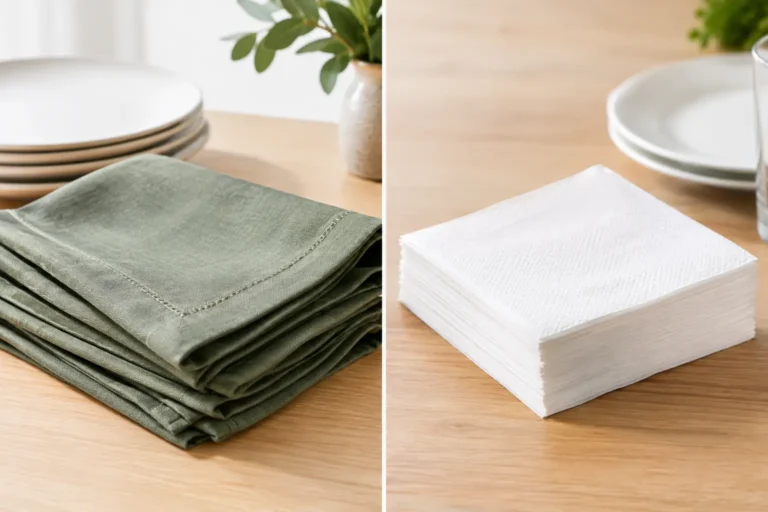
The best finishing touches are functional. Fold napkins simply and place them where guests can reach them. Put a small spoon in every condiment bowl. Set out a trivet for hot dishes. If syrup, jam, butter, or hot sauce is on the menu, bring it to the table from the start.
Consider a small handwritten menu card only when it helps, such as for a buffet with dietary options or a make-your-own waffle bar. Otherwise, the food speaks for itself. Over-labeling can make a casual brunch feel more formal than intended.
For an extra welcoming touch, prepare a small take-home moment if you are hosting a special occasion. A paper bag with one leftover muffin, a wrapped cookie, or a tiny jar of homemade jam is enough. It is thoughtful, not fussy, and it helps clear the table, too.
When you need a quick direction, start with a mood and let it guide your choices.
Each look can be adjusted for your home, budget, and number of guests. Apartment hosts may favor a compact tray setup and counter-based drinks, while a larger dining room can handle shared platters and a fuller centerpiece. There is no need to buy a new set of everything for one gathering. Start with dependable basics, then add one or two pieces that make everyday meals feel more celebratory.
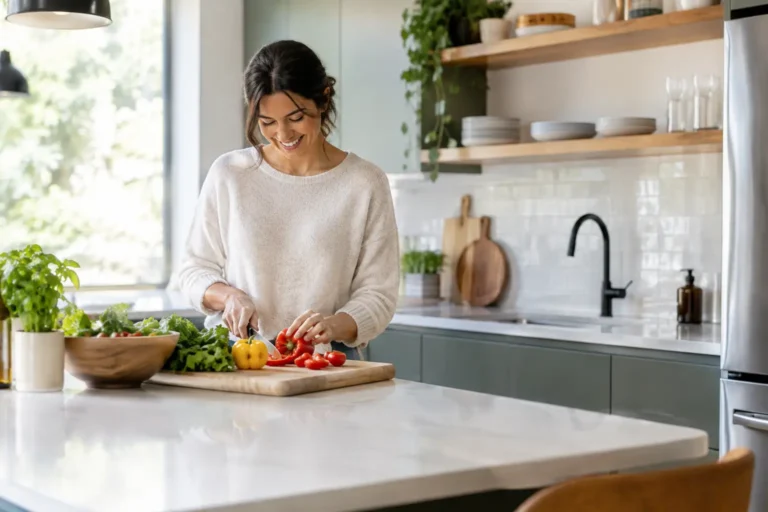
A relaxed table begins before guests arrive. Set out the dishes the night before, wash produce ahead of time, and choose at least one menu item that can be made in advance. Store dry toppings, coffee supplies, and extra napkins in labeled canisters or a small basket so they are ready when you are.
On the morning of brunch, give yourself a simple rule: anything that does not add comfort, flavor, or ease can stay in the cabinet. Kitchen Bay is built around the idea that useful kitchen and tabletop pieces can also make daily rituals more beautiful, and brunch is a perfect reason to use what you already love.
Leave a little open space on the table, pour yourself a drink, and let the gathering unfold. The memorable part will not be whether every fork matched. It will be the warm coffee, the second helping of pastries, and the feeling that everyone had time to stay awhile.







Leave a comment