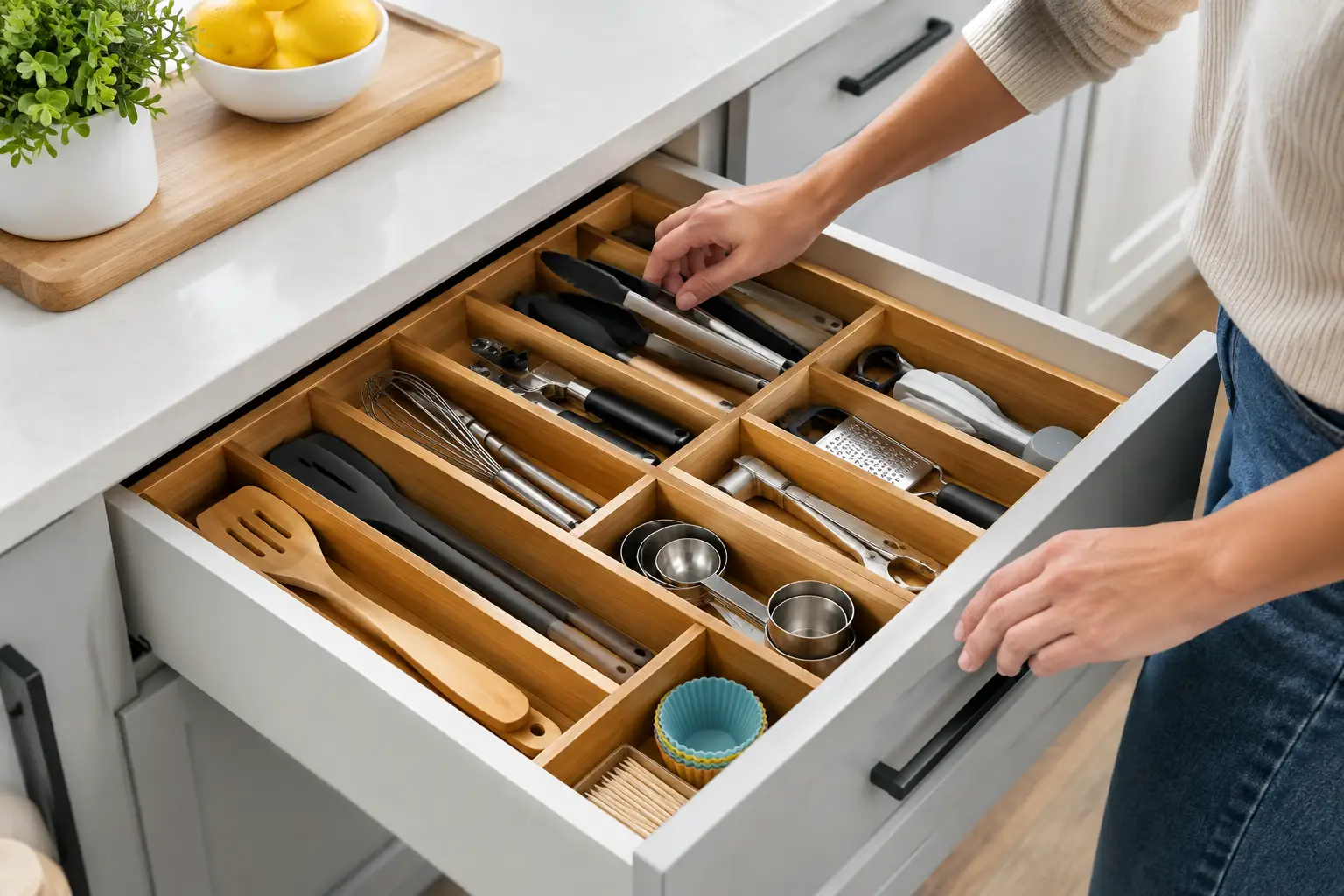
The utensil drawer usually tells the real story of a kitchen. When a whisk is tangled with takeout menus and the can opener has disappeared again, even making a simple weeknight meal feels more complicated than it should. Learning how to organize kitchen drawers is less about achieving a picture-perfect look and more about creating a kitchen that supports the way you cook, snack, bake, and host.
A good drawer system saves small moments all day long. It keeps the tools you reach for close, gives specialty items a sensible home, and makes putting clean dishes away much faster. Best of all, you do not need a renovation or a pantry full of matching containers to get there.
The most useful drawer layout follows your real habits, not a one-size-fits-all organizing photo. Before buying dividers or bins, open each drawer and notice what is already there. Ask yourself what you reach for while making coffee, packing lunches, cooking dinner, setting the table, or cleaning up afterward.
Then group items by the job they do. Your everyday cooking tools should live in the drawer nearest the stove or primary prep area. Spatulas, tongs, wooden spoons, peelers, measuring spoons, and a reliable can opener belong together because they tend to come out during the same few minutes of cooking.
Keep flatware near the dishwasher or dining table if that makes unloading and setting the table easier. If your kitchen is compact, this may mean making a few compromises. The best location is not always the closest one, but the one that creates the fewest extra steps in your routine.
Baking supplies deserve their own zone when possible. Measuring cups, silicone scrapers, pastry brushes, piping tips, and cookie cutters can quickly take over a general utensil drawer. Giving them a dedicated drawer or section prevents everyday tools from getting buried under items you only use on weekends or for celebrations.
A drawer cannot be organized around things you do not actually want to keep. Empty one drawer at a time onto a counter or table, so the task stays manageable. Wipe out crumbs and sticky residue while the drawer is clear, then sort the contents into simple groups.
This is the moment to be honest about duplicates. Three vegetable peelers may be useful if your household cooks together often, but six mismatched bottle openers probably are not. Keep the versions that work well, feel comfortable in your hand, and earn their space.
Be especially selective with promotional utensils, single-purpose gadgets, bent measuring spoons, and old packets that have migrated from a junk drawer. A kitchen drawer should not become storage for items that have no clear home. If a tool is useful only once or twice a year, move it to a higher cabinet, pantry bin, or clearly labeled back-up area.
Editing does not mean owning as little as possible. It means keeping the pieces that help your kitchen feel prepared. A well-stocked drawer can include extra serving spoons, bar tools, or baking accessories if you enjoy entertaining. The key is making sure those items are easy to find without crowding out the essentials.
Once you know what is staying, measure the inside of the drawer before choosing organizers. This small step avoids the frustrating experience of bringing home an insert that is too wide, too tall, or leaves an awkward gap.
Expandable bamboo-style trays are a polished choice for flatware and standard utensils. They create a warm, coordinated look and work particularly well in wide drawers. Plastic modular bins offer more flexibility for narrow drawers, oddly shaped tools, or renters who may move and reconfigure their space later. Clear bins make it easy to see what is inside, while solid-color bins can create a calmer, more uniform appearance.
For deep drawers, skip the temptation to toss everything into one large basket. Use a few smaller containers within the drawer so tools stay upright or separated. This works beautifully for food storage lids, reusable wraps, dish towels, and larger prep tools. If the drawer slides open and items shift around, add non-slip liner underneath the bins.
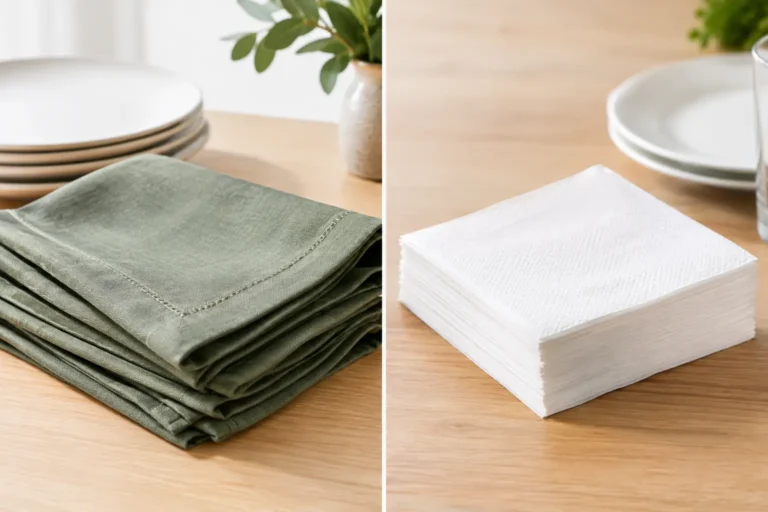
You do not need to fill every inch with organizers. A little open space is useful for the occasional new tool, a stack of cloth napkins, or the measuring cup that is still in the dishwasher. Overfilling looks tidy for one day and becomes frustrating by the end of the week.
The fastest way to create lasting order is to name each drawer by purpose. Think “daily prep,” “flatware,” “baking,” or “food storage,” rather than trying to remember a complicated system. If someone else in the household can understand the drawer at a glance, the setup is working.
A shallow top drawer is ideal for small essentials, while deep lower drawers can handle bulkier items. Keep sharp tools such as kitchen shears, graters, and peelers contained so they do not wander into a mixed drawer. Knife storage needs extra care: use a dedicated in-drawer knife block or protective sleeves rather than allowing blades to slide freely beside utensils.
Reserve one modest space for the kitchen odds and ends that do not fit elsewhere, such as matches, bag clips, markers, twist ties, and a small notepad. A small “utility” drawer is far more helpful than letting these items spread into every cooking zone. Just give it boundaries, preferably with a few divided compartments.
Frequency should determine placement. The tools you use almost every day belong in the front sections of the most accessible drawers. Less-used gadgets can sit toward the back, in a lower drawer, or in a labeled bin.
This approach also makes cooking with kids or guests more relaxed. When a friend asks where the serving spoons are, you can point to one clear spot. When you are halfway through a recipe, you will not have to open three drawers to find a measuring spoon.
Consider how drawers work alongside your countertop and cabinet storage. A pour-over kettle may live on a tray near the coffee station, while filters and spoons stay in the closest drawer. Attractive storage canisters can hold frequently used dry goods on the counter, freeing drawers from loose tea packets, snack bags, and clutter. The goal is not to hide everything away. It is to put each item where it is both useful and visually comfortable in your home.
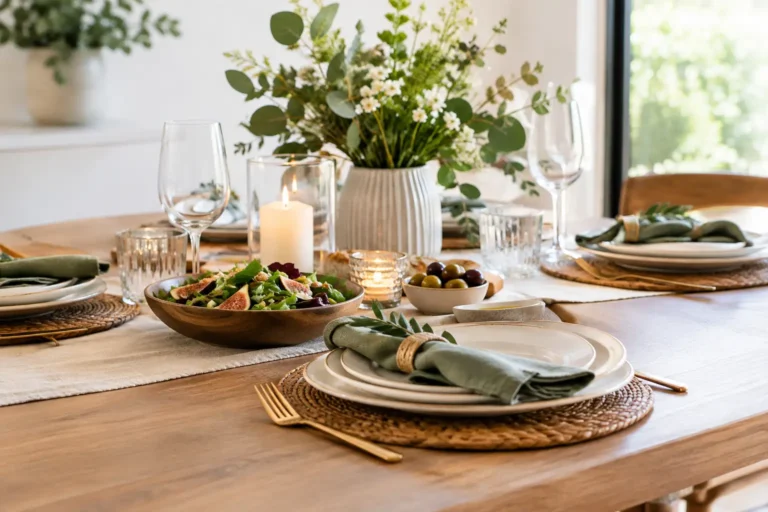
At Kitchen Bay, we love the kind of kitchen details that make everyday rituals feel more considered, whether that is a well-arranged utensil drawer before dinner or a welcoming table set for friends.
Drawer organization lasts when it is easy to maintain. You do not need a major reset every month. Instead, take two minutes after unloading the dishwasher to return tools to their sections rather than dropping them in wherever there is room.
Once a season, open each drawer and remove what does not belong. This is a good time to toss expired coupons, recycle instruction slips, and move entertaining pieces back to their proper zones after a holiday or gathering. If one compartment keeps overflowing, treat that as useful information. You may need a larger section, fewer duplicates, or a better location for that category.
Labels can help in a shared household, especially for baking drawers, lunch-packing supplies, and deep drawers that hold multiple bins. But they are optional. A thoughtfully arranged layout should be intuitive enough that labels are a bonus, not a requirement.
The right drawer system will look different in a city apartment, a busy family kitchen, or a home built for weekend hosting. Start with one drawer that annoys you most, make it easier to use, and let that small improvement set the tone for the rest of the kitchen. Every time you reach for exactly what you need, cooking and gathering at home will feel a little more effortless.








Leave a comment