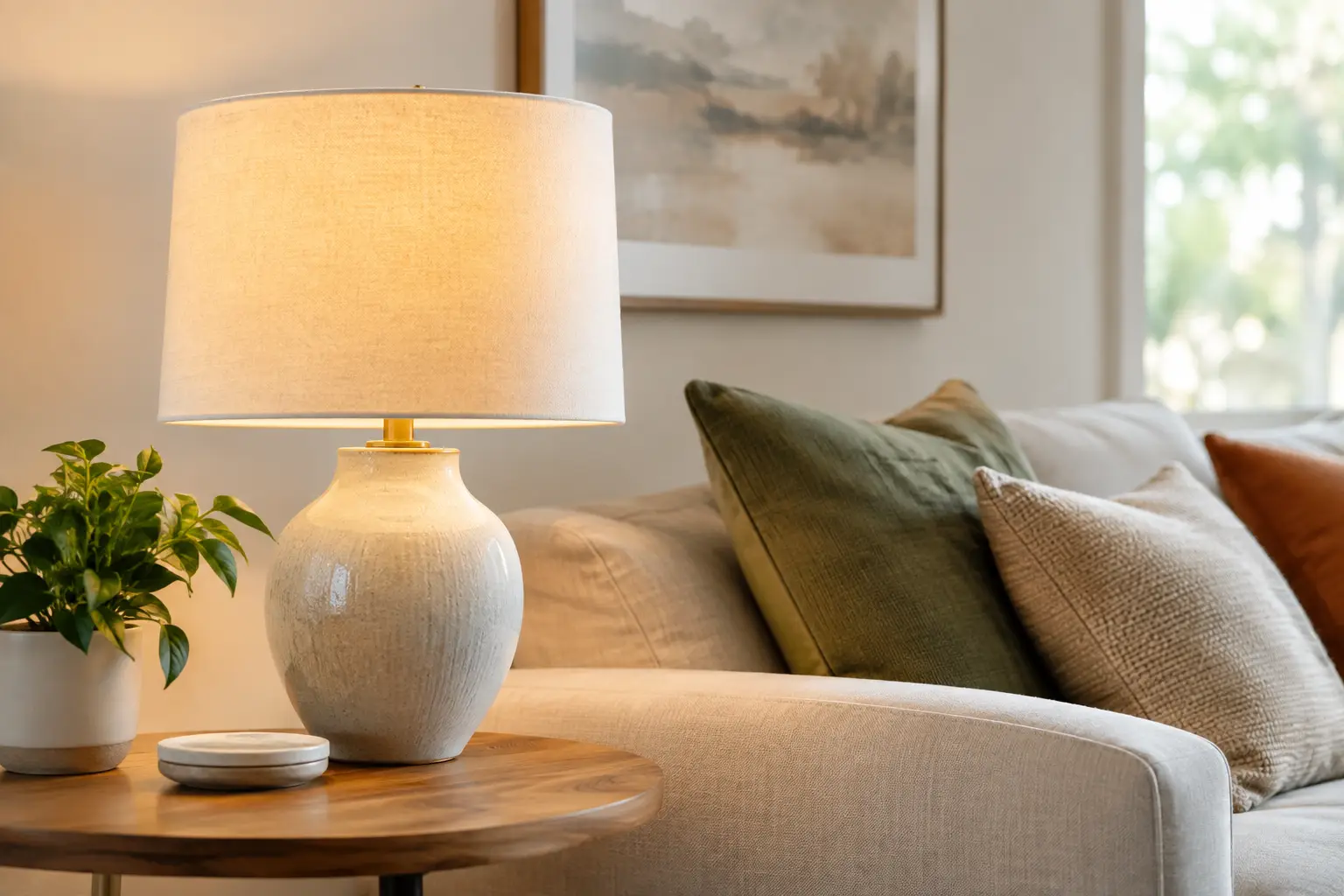
A room can have the right sofa, a beautiful tablecloth, and shelves styled just so, yet still feel a little flat at 8 p.m. Table lamps change that. They add the close, comfortable light that overhead fixtures cannot provide, while giving side tables, nightstands, desks, and consoles a more intentional look.
The best choice is not always the biggest lamp or the boldest base. It is the one that fits how you actually use the room: reading after dinner, answering a few emails, winding down in bed, or setting a welcoming scene before friends arrive. A well-chosen lamp makes those everyday moments feel more considered.
Before falling for a color, texture, or sculptural silhouette, decide what the lamp needs to do. Ambient lighting softens a room and fills in dark corners. Task lighting gives you a clearer pool of brightness for reading, working, or crafting. Accent lighting highlights a favorite vignette, framed artwork, or a thoughtfully set buffet.
A living room usually benefits from a mix. A pair of lamps on end tables can create a relaxed, balanced glow, while a single lamp on a console can make an entry feel warmer the moment you walk in. In a bedroom, bedside lamps should be useful enough for reading but gentle enough to support a calm nighttime routine.
The bulb matters as much as the lamp itself. For most relaxed spaces, warm white light creates an inviting feel. If you use a lamp for paperwork, recipes, or a desk, a brighter bulb may be the better fit. Dimmable bulbs offer the most flexibility, especially in rooms that move from busy mornings to slow evenings.
Scale is where many otherwise lovely table lamps go wrong. A lamp that is too small disappears beside a substantial sofa or large headboard. One that is too tall can block conversation, crowd a nightstand, or feel top-heavy on a narrow table.
As a simple starting point, think about the table and the seated eye line. When you are sitting beside the lamp, the bottom of the shade should generally sit around eye level. This helps direct light downward without exposing the bulb or shining glare into the room.
For a nightstand, leave enough surface space for the things you reach for every day: a glass of water, your book, a phone charger, or a small catchall tray. A compact lamp with a slender base is often a smarter choice than a wide, decorative style if the table is doing a lot of work.
In a living room, a larger lamp can hold its own beside a deep sofa or oversized chair. If you are using two lamps on matching end tables, they do not have to be identical, but they should feel related in height, visual weight, or finish. That connection keeps the room looking collected rather than accidental.
The shade controls the mood of the light. A light-colored fabric shade usually creates a broader, softer glow, which works beautifully for everyday living areas. A darker or more opaque shade directs light more narrowly and can bring drama to a reading nook, bedroom, or moody dining room console.
Shape matters too. Drum shades feel clean and current, making them easy partners for modern, transitional, and casual spaces. Tapered shades have a familiar, classic profile and pair naturally with traditional bases. A more angular shade can add structure to a room with lots of soft upholstery and rounded ceramics.
Check the proportions before you commit. The shade should not look tiny on a substantial base, and it should not extend so far that it overwhelms the table beneath it. A lamp is made of two visual parts, so the base and shade need to feel like a conversation, not a competition.
Living room lighting should make the space easy to settle into. Place lamps near the seats people use most, rather than treating them as purely decorative objects. A lamp beside a sofa encourages reading and conversation. One near an accent chair turns an unused corner into a place to pause with coffee or a cookbook.
If your room has a strong overhead fixture, table lamps still earn their place. Ceiling lighting can handle the general brightness, while lamps bring warmth closer to people and surfaces. That layered effect is what makes a room feel welcoming instead of simply well lit.
Bedside table lamps are equal parts function and comfort. Consider a switch that is easy to reach from bed, a shade that reduces harsh glare, and a base that does not crowd your nightly essentials. If one partner reads and the other sleeps, adjustable or dimmable light is especially helpful.
Matching lamps create an orderly, hotel-inspired look, but they are not the only answer. Coordinating styles with a shared finish, similar shade shape, or close height can feel softer and more personal. This is a good option for bedrooms with mismatched nightstands or a more relaxed, layered style.
Not every useful lamp lives in a formal room. A compact table lamp on a desk can make a home workspace feel less clinical. On a kitchen counter, open shelf, or nearby sideboard, a small lamp brings a surprising sense of comfort to early breakfasts and late-night cleanup.
Keep practical concerns in mind around food prep. Place lamps away from splashes, heat, and crowded work zones. In a kitchen-adjacent dining area, they work particularly well on a buffet or console, where their glow can soften the transition from cooking to serving.
Table lamps are an easy way to introduce texture without replacing major furniture. Ceramic bases can feel polished, playful, earthy, or classic depending on their finish. Glass keeps a room visually light and works well in smaller spaces. Metal adds structure and a touch of shine, while wood or woven details bring natural warmth.
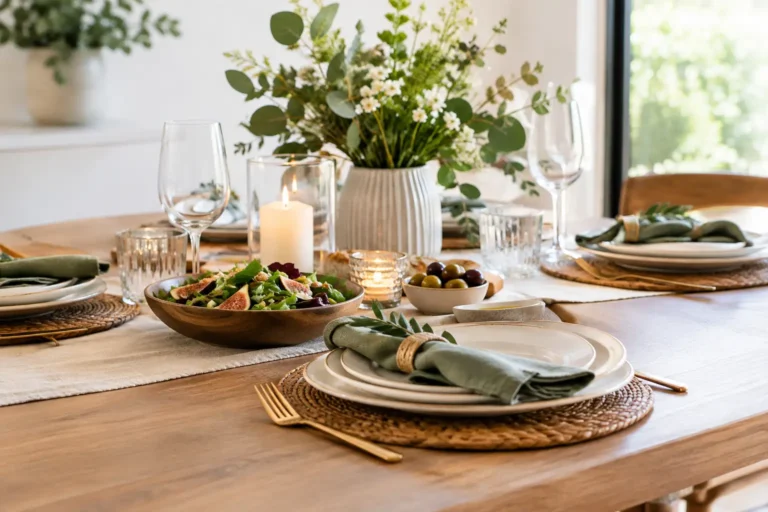
You do not need every finish in a room to match. In fact, overly matched lighting can make a home feel more like a showroom than a place people live. Instead, repeat a material or color in a small way. A brass lamp might echo cabinet hardware. A textured ceramic base might pick up the tone of your dinnerware or a woven placemat.
Color deserves a practical eye. A neutral lamp gives you flexibility when seasons, pillows, and tabletop accents change. A colorful lamp can become the moment that brings a quiet room to life. If you love pattern, keep the surrounding area edited so the lamp has room to stand out.
When comparing options, use these questions to narrow the field:
This quick check helps prevent a common mistake: choosing a lamp only because it looks good in a product photo. The right lamp should look beautiful in your home and make the room easier to use.
A lamp does not need a crowded tabletop to make an impact. On a side table, pair it with a coaster, a small bowl, and one book you are actually reading. On a console, add a tray for keys, a vase with seasonal stems, or a stack of cookbooks. Leave some breathing room so the light can feel like the focal point.
For hosting, lamps help set a softer mood beyond the dining table. A glowing lamp on a sideboard makes drinkware and serving pieces feel more inviting. In an open-plan home, it can also visually connect the kitchen and dining area after the meal is served.
At Kitchen Bay, the most useful home pieces are the ones that make everyday rituals feel a little more special. Choose a table lamp with that same goal in mind. The right one will not just fill an empty corner. It will make the next quiet breakfast, family dinner, or evening on the sofa feel exactly where you want to be.








Leave a comment