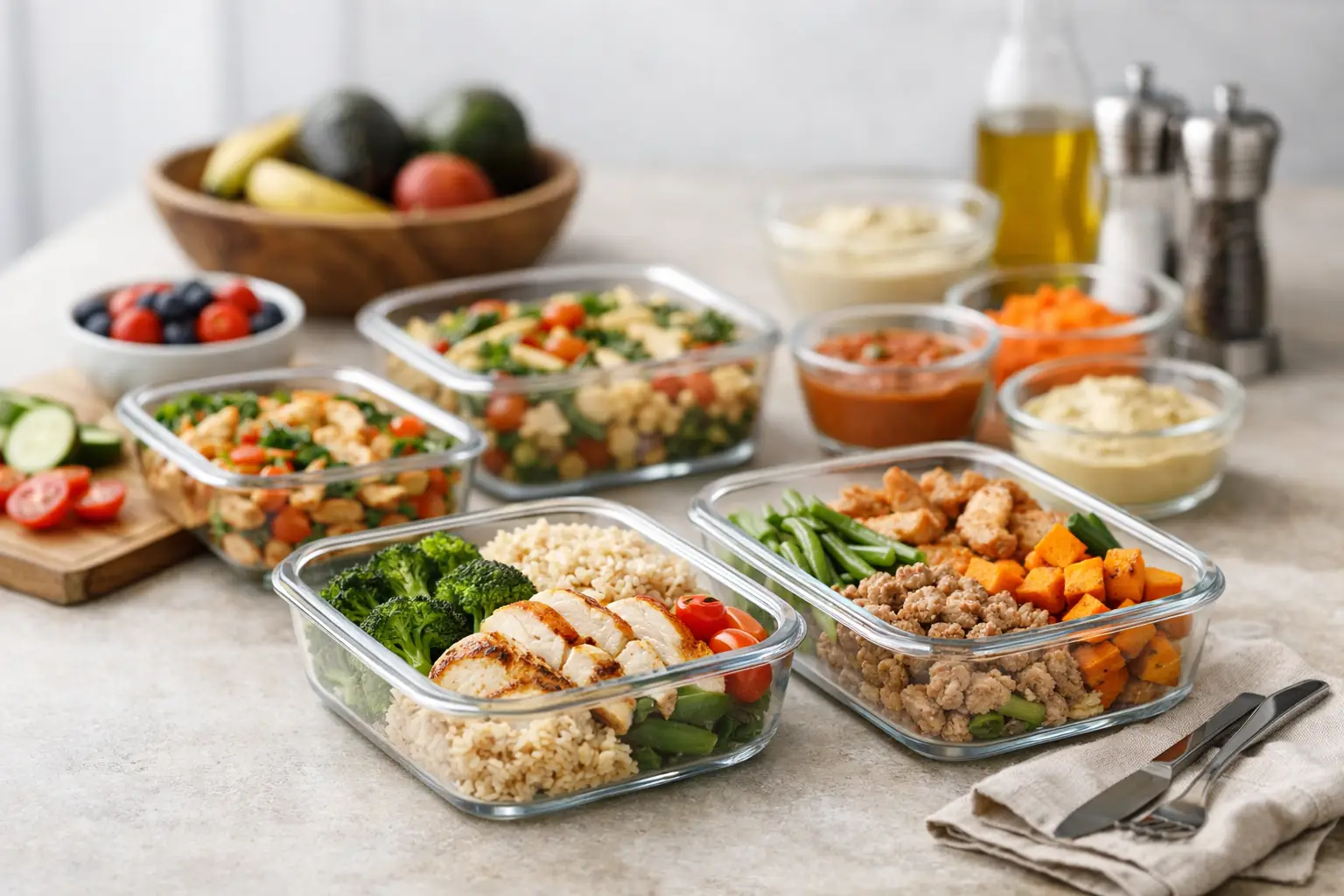
You do not need a color-coded fridge, a bodybuilder’s appetite, or four hours every Sunday to make meal prep work. A good beginner meal prep guide should make your week feel lighter, not turn your kitchen into a second job. If you have ever opened the fridge at 6 p.m., stared at three random ingredients, and ordered takeout anyway, meal prep can fix that – with less effort than most people think.
The trick is to stop treating meal prep like an all-or-nothing project. For most households, the smartest version is not seven identical lunches lined up in perfect containers. It is a simple system that helps you cook once, eat well multiple times, and keep your kitchen feeling calm instead of chaotic.
At its best, meal prep saves decision-making. That matters just as much as saving time. When breakfast is already handled, when lunch can be packed in two minutes, or when dinner is halfway done before the workday ends, your whole routine feels more polished.
That said, meal prep is not one-size-fits-all. Some people prefer full meals ready to grab. Others get bored easily and do better prepping ingredients instead of finished dishes. If you live alone, your plan might focus on reducing waste. If you cook for a family, your goal may be speed on weeknights. The right system is the one you will repeat.
Beginners usually make the same mistake: they prep too much. They buy an ambitious grocery haul, cook five recipes, and by Wednesday they are tired of all of them. A better starting point is to prep just one breakfast, one lunch, and two dinners that can stretch into leftovers.
That approach gives you structure without making your week feel rigid. Maybe breakfast is overnight oats or egg bites. Lunch might be grain bowls or wraps assembled from prepped ingredients. Dinner could be roasted chicken one night and turned into tacos or soup the next. You still have flexibility, but the hard part is already done.
If your schedule changes often, prep building blocks instead of full menus. Cook a batch of rice, roast a tray of vegetables, wash greens, and make one protein. From there, you can create different meals depending on your mood.
You do not need complicated recipes to prep well. Most balanced, practical meals come together from a few repeat categories: a protein, a vegetable, a starch or grain, and a sauce or seasoning that keeps things interesting.
That simple formula works across cuisines and budgets. Roasted salmon, sweet potatoes, and green beans can become one meal. Grilled chicken, rice, cucumber, and a yogurt-based sauce become another. Black beans, peppers, and cooked quinoa can turn into bowls, salads, or stuffed wraps. The formula stays the same even when the flavors change.
This is where meal prep starts to feel less restrictive and more useful. Instead of asking, “What do I cook every day?” you ask, “What combinations can I make from what I already prepared?”
For your first round, choose recipes and ingredients that are familiar. Meal prep is not the best time to test a three-step marinade or a dish your household may not even like. Think dependable and easy to store.
A strong beginner session might include one sheet-pan dinner, one large pot meal, and a few washed or chopped produce items. For example, roast chicken thighs and vegetables on one pan, cook a pot of turkey chili, and slice fruit or cucumbers for quick snacks. That is enough to change your week without taking over your weekend.
Try to keep active cooking time low. Recipes that bake, simmer, or roast while you handle something else are ideal. The point is not to impress yourself. The point is to make future meals feel almost done.
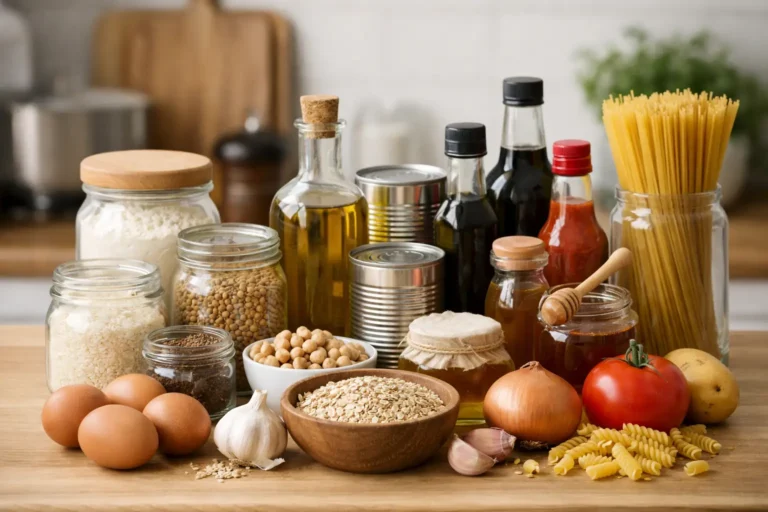
Meal prep usually falls apart at the grocery stage, not the cooking stage. If your cart is packed with ingredients that only work for one meal each, you spend more and waste more.
Choose ingredients that can pull double duty. Spinach can go in eggs, grain bowls, and pasta. Cooked chicken can become salads, sandwiches, and quesadillas. A good container of cooked rice can support several meals across the week. This kind of overlap makes your kitchen feel organized and your grocery budget work harder.
A short, focused list is often more effective than a big aspirational one. Buy what you know you will use in the next four to five days, especially for produce and proteins.
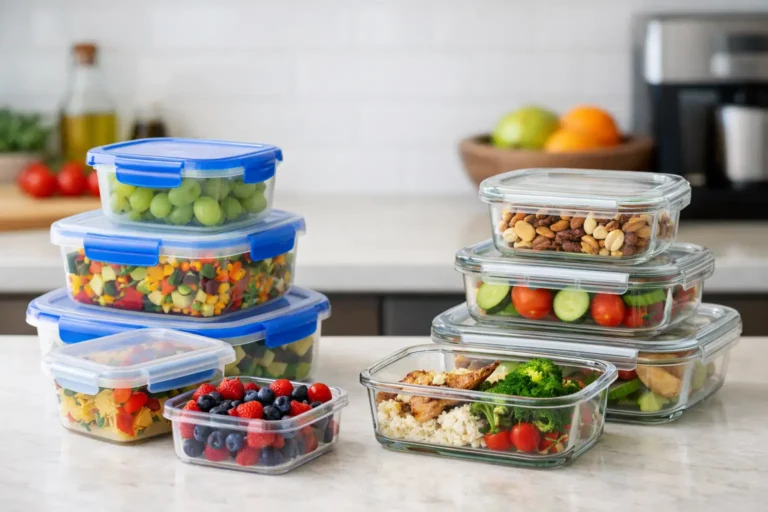
If meal prep feels messy, it often comes down to storage. Food that is hard to see, hard to stack, or poorly sealed gets forgotten fast. Good containers make your fridge easier to navigate and your prep far more likely to pay off.
Clear containers help you see what is ready at a glance. A mix of larger containers for batch-cooked items and smaller ones for sauces, cut fruit, or snacks gives you flexibility. If you are packing lunches, choose shapes that fit neatly in your bag and your fridge. And if you want your kitchen to feel more pulled together, matching storage goes a long way.
This is one of those small upgrades that changes the experience. A tidy shelf of prepped ingredients feels inviting. Random foil-covered bowls do not.
The best prep plans are built around your real week, not your ideal one. Look at your calendar before you shop. If Tuesday is always hectic, that is the night to have a fully prepped dinner or easy leftovers. If Friday tends to be spontaneous, do not prep an elaborate meal for that night.
Some people like a Sunday reset. Others do better with a split session – groceries and produce prep on Sunday, then one quick cook on Wednesday. If you know you dislike long kitchen sessions, split prep is often easier to maintain. It keeps food fresher too.
There is also nothing wrong with strategic shortcuts. Store-bought rotisserie chicken, pre-washed greens, frozen rice, or chopped vegetables can absolutely be part of meal prep. Convenience is not cheating. It is often what makes the habit stick.
Variety matters, but that does not mean you need five separate recipes. Small changes can make the same base ingredients feel different.
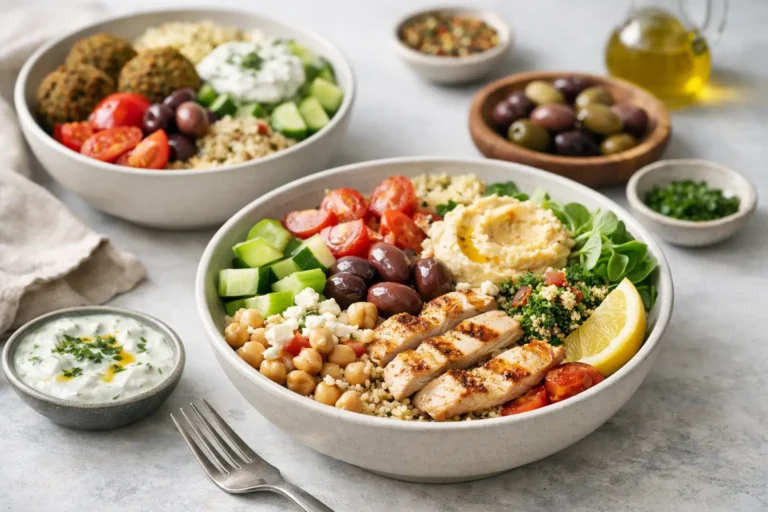
Change the sauce, not the whole meal. A neutral protein can lean Mediterranean one day and taco-inspired the next. Roasted vegetables can go into a grain bowl for lunch, then land next to pasta at dinner. Even texture helps – adding crunchy toppings, fresh herbs, or a squeeze of lemon can wake up leftovers quickly.
If you know you get tired of repeats, freeze one or two portions instead of forcing yourself to eat them back-to-back. Meal prep should reduce stress, not create resentment.
A little planning goes a long way here. In general, most cooked meals hold well in the fridge for several days, but not every ingredient has the same shelf life. Delicate greens, sliced avocados, and crispy foods tend to fade fastest. Heartier soups, grains, and roasted vegetables usually last longer.
Let hot food cool slightly before storing it, seal containers well, and label them if you tend to forget what was made when. If you are prepping for more than four days, freezing part of your batch is often the better call.
It also helps to store components separately when texture matters. Keep dressing away from greens until serving. Store crunchy toppings on the side. Pack sauces in small containers instead of pouring them over everything at once.
A polished routine does not have to look perfect. It just has to make your kitchen easier to use. A clean counter, a few dependable tools, and a fridge that supports the week ahead can make everyday cooking feel much more enjoyable.
That is part of why meal prep appeals to so many home cooks. It is not only about nutrition or saving money, though it can help with both. It is also about making the daily rhythm of cooking, packing lunch, or setting out dinner feel less rushed and more intentional.
If you are just getting started, keep your first week simple enough that success feels almost guaranteed. Prep a little less than you think you need. Repeat what works. Adjust what does not. The goal is not to become the kind of person who meal preps perfectly. It is to build a kitchen routine that supports the way you actually live – and makes coming home to cook feel like a pleasure, not a scramble.







Leave a comment