An overstuffed utensil drawer and one lonely dull knife – that’s how a lot of kitchens start. If you’re setting up a new space or finally replacing the tools that make cooking harder than it should be, a thoughtful kitchen essentials checklist helps you buy smarter. The goal is not to fill every cabinet. It’s to create a kitchen that feels easy to use, easy to maintain, and a little more enjoyable every day.
The best kitchens are built around routine. Weeknight pasta, morning coffee, packed lunches, birthday cupcakes, a quick cheese board when friends stop by – these are the moments that matter more than a collection of gadgets you use once a year. A practical setup should support how you actually live, while still leaving room for the details that make your counter, table, and daily rituals feel more polished.
A useful checklist starts with the jobs your kitchen handles most often. For most households, that means prepping, cooking, baking at least occasionally, storing food, serving meals, and keeping everything organized enough to function on a busy day.
That sounds simple, but this is where people tend to overbuy. If you rarely bake layer cakes, you probably do not need specialty pans in three sizes. If you cook often but hate clutter, multipurpose pieces will serve you better than single-use tools. A strong setup is less about quantity and more about coverage.
Think in zones. Your prep zone needs a few dependable tools. Your cooking zone needs pots, pans, and heat-safe utensils. Your storage zone should help leftovers stay fresh and dry goods stay organized. Your dining zone matters too, especially if you want everyday meals to feel less rushed and more put together.
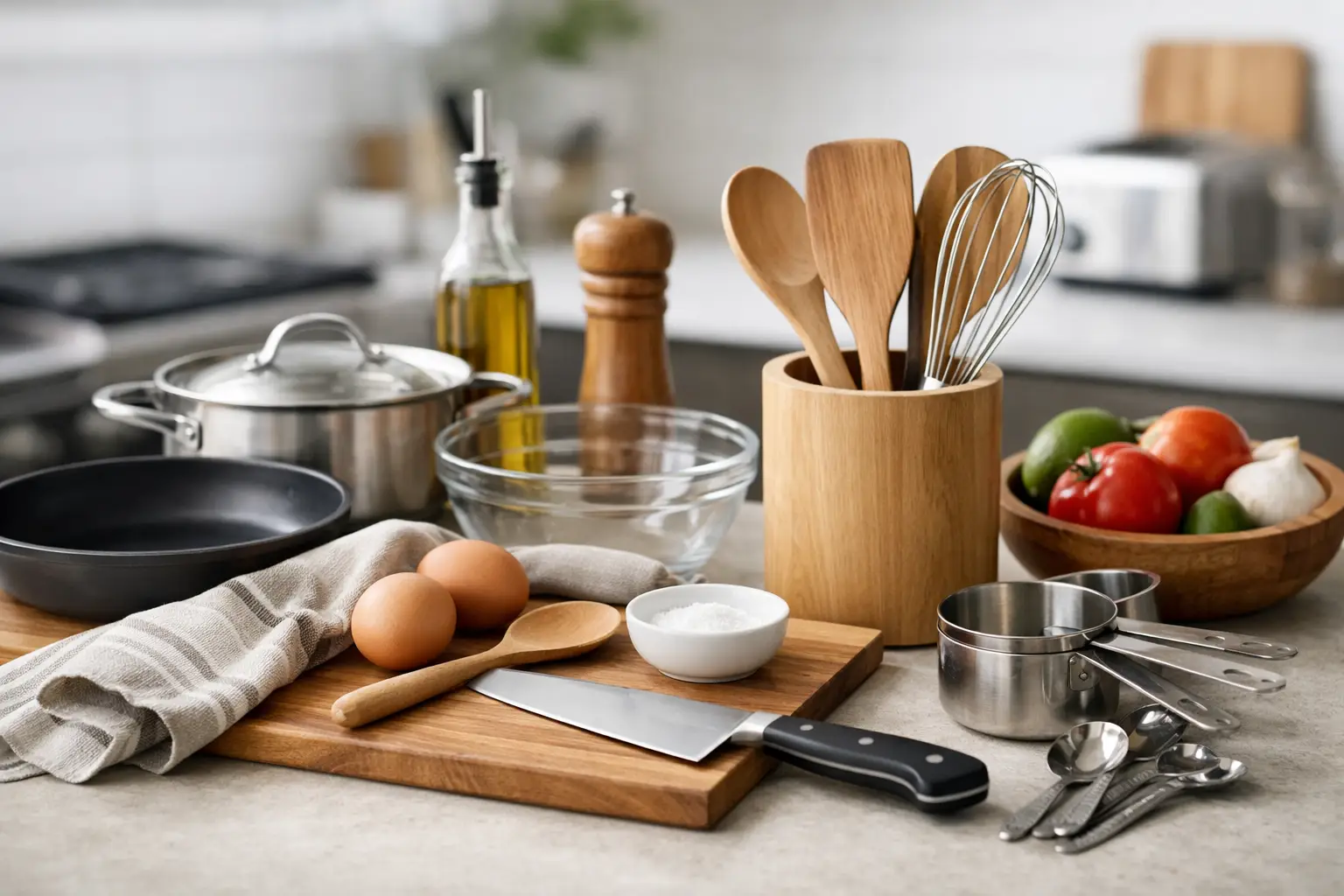
Start with the pieces that carry the most weight. A chef’s knife, paring knife, and cutting board will handle the majority of prep work in most homes. Add a mixing bowl or two, measuring cups and spoons, a colander, a can opener, kitchen shears, and a peeler, and you already have a strong foundation.
For cookware, you do not need a towering stack of pans. A nonstick skillet, a larger stainless or saute pan, a saucepan, and a stockpot cover most everyday meals. If you cook eggs often, a reliable nonstick pan earns its place quickly. If you prefer browning, searing, or one-pan dinners, stainless steel or enameled pieces may be more useful. It depends on what you cook and how much upkeep you want to manage.
Utensils should stay practical. A silicone spatula, wooden spoon, whisk, tongs, ladle, and slotted turner can take you through most recipes without crowding the counter. For baking, a sheet pan, muffin tin, and one baking dish usually go further than people expect. Even if you are not an avid baker, having these basics on hand makes holidays, potlucks, and casual weekend cooking much easier.
Small appliances deserve a little restraint. A toaster or toaster oven makes sense for many homes. A blender or immersion blender is excellent if you make soups, sauces, smoothies, or dressings regularly. A pour-over kettle can elevate a morning coffee ritual, but only if that ritual is real in your house. The best checklist reflects your habits, not an idealized version of them.
Apartment kitchens and compact layouts need a different kind of strategy. In smaller spaces, every item should either earn frequent use or store neatly without causing frustration. Nesting bowls, stackable storage canisters, and pans with a smaller footprint can make a big difference.
If your cabinets are limited, prioritize vertical storage and clear containers that help you see what you have. It is easier to avoid duplicate purchases and food waste when flour, rice, pasta, and snacks are visible and tidy. A slim dish rack, a utensil crock that holds only the real essentials, and a few countertop pieces you truly love can keep a small kitchen from feeling chaotic.
There is also a style factor here. In a compact home, your kitchen is often more visible, sometimes directly connected to your living or dining area. Choosing essentials that look clean and coordinated can make the whole space feel calmer. Practical does not have to mean plain.
A kitchen that cooks well but stores badly creates extra work fast. Good food storage is one of the least glamorous parts of a kitchen essentials checklist, yet it has one of the biggest effects on daily life. Leftovers stay fresher, packed lunches are easier to assemble, and your refrigerator becomes less of a mystery.
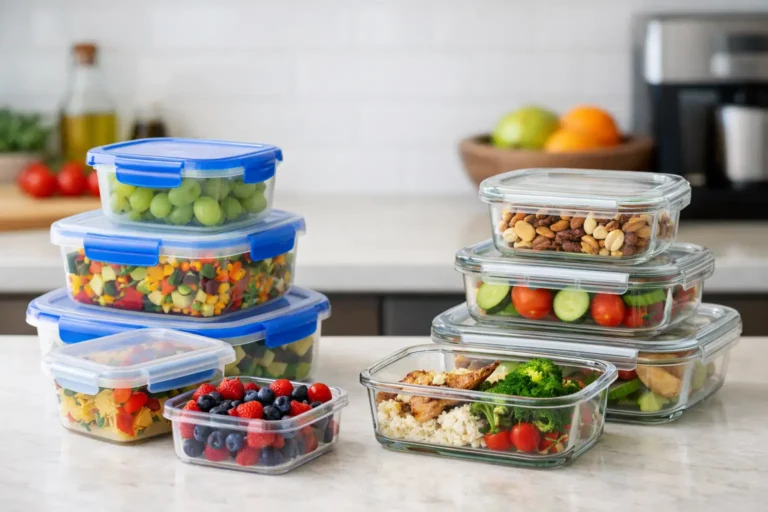
Look for a mix of container sizes rather than a dozen of the same shape. Smaller containers are useful for sauces, chopped fruit, and snacks, while medium and large sizes handle leftovers, batch cooking, and meal prep. Dry storage matters too. Canisters for coffee, sugar, flour, or cereal can improve both organization and the look of your countertop or pantry.
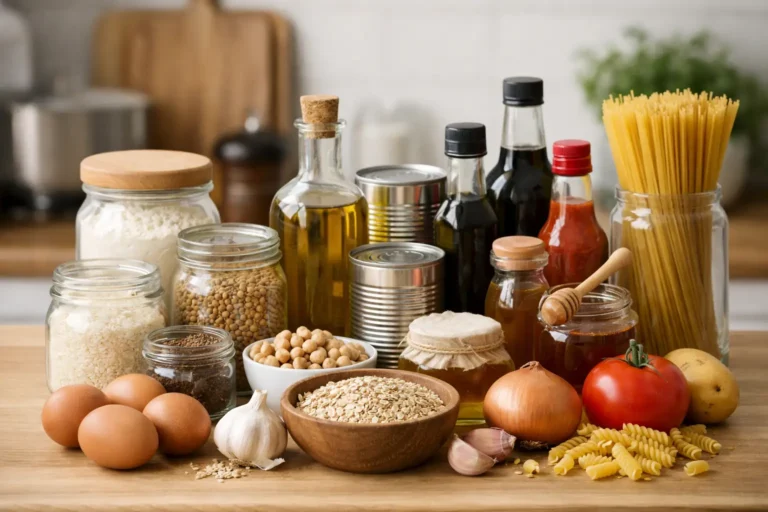
Pantry staples are personal, but a few categories make life easier: cooking oils, salt and pepper, a few versatile spices, grains or pasta, canned goods, and baking basics if you use them. The exact lineup depends on your household. The point is to support simple meals without a last-minute store run every other day.
A lot of people focus on cooking tools and forget the table. But dining essentials shape how your meals feel, whether you are eating takeout on a Tuesday or hosting family for a holiday brunch. Plates, bowls, glasses, and flatware should be durable enough for daily use and attractive enough that you enjoy pulling them out.
This is where style can quietly improve routine. Placemats, tablecloths, cloth napkins, and drinkware are not just for entertaining. They can make a quick dinner feel more intentional and help your home look cared for without much effort. If you like to host, a few serving pieces, a pitcher, and extra glasses are smart additions. If you rarely entertain, keep it simple and build later.
There is no need to make every meal look staged. Still, the right tabletop basics can make everyday living feel more complete, and that is a worthwhile investment.
Not every kitchen needs a full reset. Sometimes the better move is to upgrade the few pieces you touch every day. Replacing a warped sheet pan, a worn skillet, or a flimsy cutting board can improve your cooking experience more than buying five new gadgets.
If your kitchen already works but feels tired, focus on high-impact improvements. Matching storage canisters can make counters look cleaner. Better bakeware can make holiday prep less frustrating. An elegant kettle, fresh drinkware, or updated linens can shift the entire mood of the room with very little effort.
This is often the sweet spot for shoppers who want a home that feels more finished but still practical. You do not need a showroom kitchen. You need tools and details that help your space function well and look inviting.
Before buying, ask three questions. Does this item solve a recurring problem? Will I use it often enough to justify the space? Does it fit the look and rhythm of my home? If the answer is no to two of the three, it may not belong on your list.
Quality matters, but so does realism. The most expensive option is not always the smartest one, especially for occasional-use items. On the other hand, the pieces you use daily are usually worth choosing carefully. A reliable pan, a comfortable knife, sturdy bakeware, and well-made storage can pay off in convenience over time.
A curated approach tends to work best. Instead of buying everything in one sweep, build your kitchen in layers. Start with true essentials, notice what you reach for, and add from there. That approach keeps your space more organized and your purchases more intentional.
For shoppers who want both utility and a more elevated everyday feel, that balance is exactly where Kitchen Bay fits naturally – practical kitchen tools, attractive tabletop pieces, and home details that make cooking, dining, and hosting feel a little easier.
A great kitchen does not need to be perfect, oversized, or packed with specialty gear. It just needs to support your mornings, your meals, and the way you like to gather. Build your checklist around that, and even the simplest routine can feel like a better part of the day.







Leave a comment