A weeknight roasted chicken, a stack of warm pancakes, or a spread of snacks for friends can look instantly more inviting when it leaves the kitchen on the right dish. Serving platters do more than carry food from counter to table. They create a sense of occasion, keep a meal organized, and make even simple home cooking feel thoughtfully presented.
For everyday cooks and relaxed hosts, the goal is not to build a restaurant-style collection. It is to choose a few beautiful, useful pieces that work hard across meals, seasons, and gatherings. The best platter is one you reach for often, whether you are arranging burgers for a backyard dinner or setting out cookies with coffee.
Before choosing colors or finishes, think about the meals you make most often. A platter should suit your real routine, not just a special occasion you host once a year. If you love sheet-pan dinners, a large oval or rectangular piece gives vegetables and proteins room to spread out. If brunch is your favorite way to gather, a wide round platter is ideal for pastries, fruit, and shared breakfast dishes.
Consider where food will be served, too. A compact apartment table may call for a slimmer rectangular platter that leaves space for plates and glasses. A larger dining table can handle generous ceramic pieces layered with salads, grilled dishes, or a full holiday centerpiece. For buffet-style entertaining, choosing two or three coordinating platters in different sizes helps guests move through the spread without crowding one dish.
It also helps to separate your needs into everyday and occasional use. One durable, easy-to-clean platter can become a weeknight staple, while a more decorative piece adds personality to birthdays, holiday dinners, and gift-worthy gatherings. Both have a place, but the pieces you use most should feel easy, not precious.
Shape changes both the look of the table and the way food fits on the platter. There is no single best option. It depends on what you cook and how you like your table to feel.
Oval platters are a natural choice for sliced meat, whole fish, roasted vegetables, and family-style pasta. Their curved edges soften a table setting and make them especially fitting for traditional dinners. A generous oval platter also gives a roast chicken or rack of ribs enough visual breathing room, which makes the meal look more abundant without adding extra food.
Rectangular serving pieces bring clean lines and excellent flexibility. Use them for skewers, sandwiches, sushi, rows of appetizers, or a colorful arrangement of grilled vegetables. They are also practical for narrow tables and buffet counters because they use space efficiently. If your dinnerware leans modern or minimal, this shape often feels like an easy match.
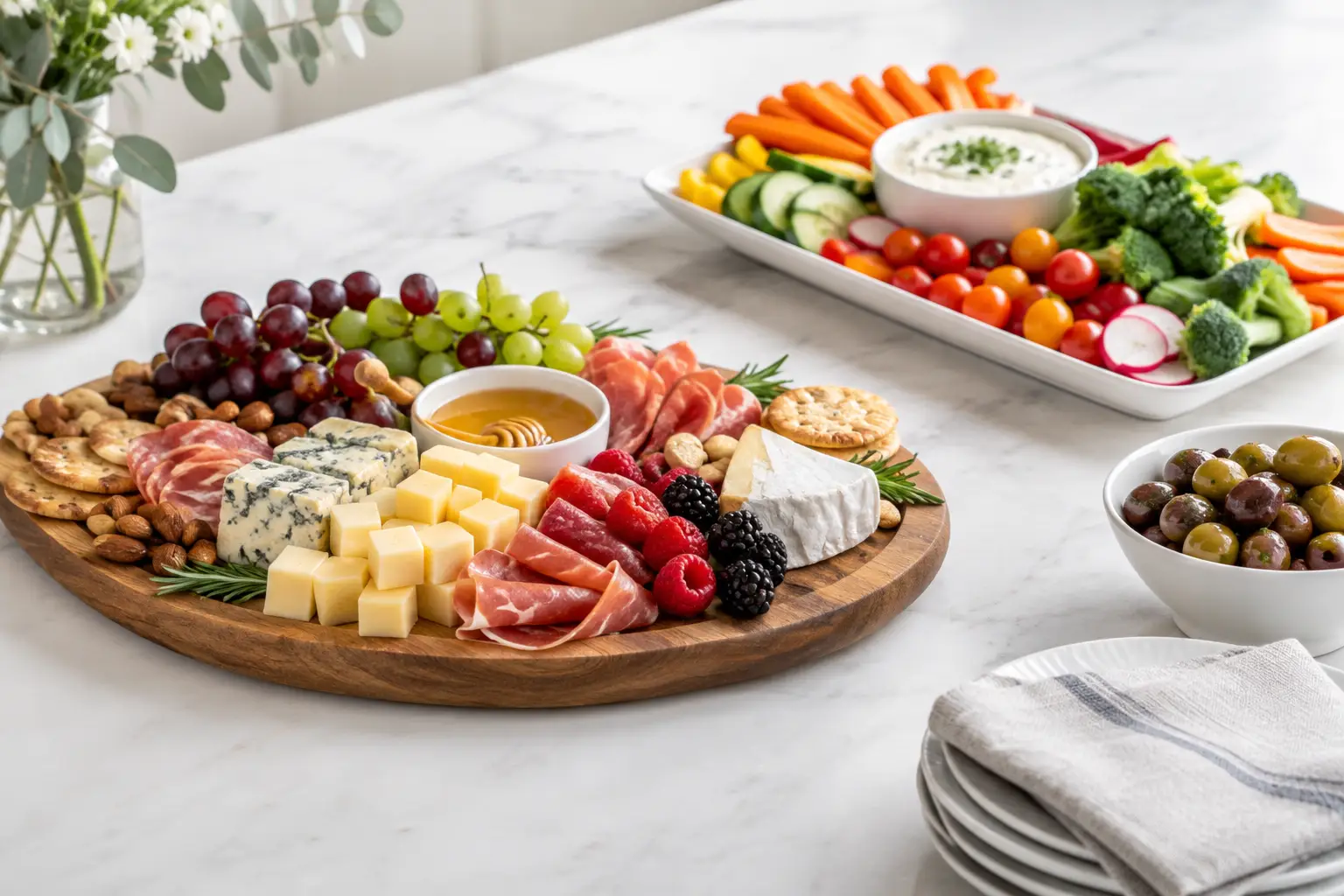
Round platters encourage a relaxed, shareable look. They are lovely for fruit, cookies, pancakes, cheeses, or a simple pile of warm rolls. A round piece can also soften a table set with square plates or a rectangular tablecloth, adding a little balance without making the setting feel overly styled.
A beautiful platter should be enjoyable to use, not another item that needs special handling every time guests come over. Material affects weight, durability, cleanup, and the overall mood of the table.
Ceramic and porcelain serving platters offer a polished look that works for everything from Tuesday-night pasta to a holiday ham. White is a smart starting point because it lets the food stand out and pairs easily with changing linens, placemats, and drinkware. Glazed stoneware has a more relaxed, handcrafted feel, with subtle variations that make a table look warm and collected.
Melamine is worth considering for outdoor meals, poolside snacks, picnics, and households with young children. It is lightweight and less breakable than ceramic, although it is best for cool or room-temperature foods rather than high-heat serving. Wood boards and platters bring texture to bread, cheese, charcuterie, and appetizers. They look especially inviting alongside linen napkins and simple glassware, but they usually need handwashing and occasional care to stay in good condition.
Metal platters can be striking for special occasions, especially when you want a polished, celebratory table. Still, they may show fingerprints and are not always the most practical choice for acidic foods. If convenience is your priority, choose dishwasher-safe ceramic or durable melamine. If presentation is the main event, mix in one standout wood, metal, or patterned piece.
A platter that is too small makes food look crowded. One that is dramatically oversized can feel awkward on a table and hard to store. For most homes, a medium platter around 12 to 16 inches long handles a surprising number of jobs: a side dish for four to six people, a sandwich spread, a few grilled chicken breasts, or a collection of appetizers.
A larger platter, roughly 17 inches or more, earns its place when you host often or cook for a family. It is useful for a main dish with garnishes, a substantial salad, or a full spread of cookies at a party. Smaller pieces are excellent for dips, olives, dessert bites, or building height on a buffet table.
Think beyond the dining table before purchasing. Measure a cabinet shelf, check the depth of your dishwasher, and consider whether a large platter will fit comfortably in your sink. Storage is a practical detail, but it often determines whether a beautiful item becomes a regular favorite or stays tucked away.
You do not need complicated styling tricks to make a platter feel special. A little contrast and a sense of generosity go a long way. Spread food across the surface rather than stacking it in the center, then add a finishing touch that suits the dish: fresh herbs over roasted vegetables, citrus slices around seafood, or a handful of berries beside a dessert.
For a cheese board or appetizer platter, vary color and shape. Pair cubes or slices with something round, such as grapes or crackers, and include a small bowl for olives, jam, or nuts. This keeps wet ingredients contained while giving the arrangement more dimension. Avoid filling every inch. A little open space makes the platter look intentional and gives guests an easy place to reach.
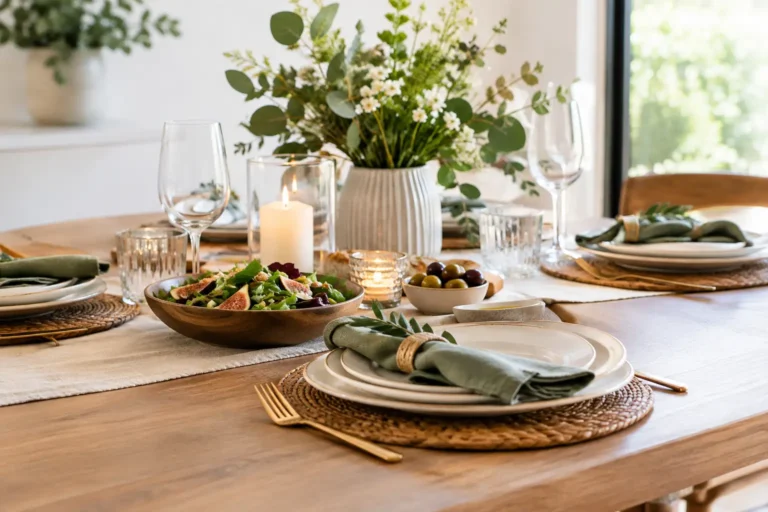
Coordinating your platter with the rest of the table does not mean everything must match exactly. A white ceramic platter can sit beautifully beside colored glassware, woven placemats, or a patterned tablecloth. If you choose a bold platter, keep surrounding pieces quieter so the presentation feels curated rather than busy.
Most households do not need a cabinet full of specialty pieces. A thoughtfully chosen trio can cover nearly every occasion: one large neutral ceramic platter for mains, one medium rectangular platter for appetizers and sides, and one smaller decorative piece for snacks or desserts. From there, add based on the way you entertain.
If you regularly host outdoor meals, a lightweight melamine option may be your next smart purchase. If you love grazing boards and wine nights, a wood serving board offers a different texture from ceramic dinnerware. If holiday hosting is part of your tradition, a festive platter with a subtle seasonal pattern can become a piece guests recognize and look forward to seeing.
Kitchen Bay’s approach to tabletop essentials is simple: choose pieces that are practical enough for daily use and attractive enough to make gathering feel a little more special. A platter should support the way you cook, serve, and celebrate at home.
When your next meal is ready, resist the urge to place the pan or mixing bowl straight on the table. Move the food to a platter, add one small finishing touch, and let the table invite everyone to stay a little longer.








Leave a comment