
The 5 p.m. question is rarely, “What do I feel like cooking?” More often, it is, “What can I make with 25 minutes, one pan, and the groceries already in the fridge?” That is where smart meal planning trends are changing the rhythm of home cooking. The goal is not a picture-perfect menu or a fridge full of tiny containers. It is a calmer week, fewer last-minute takeout decisions, and more meals that feel good to serve.
For busy households, apartment cooks, new homeowners, and anyone who wants dinner to feel less like a daily scramble, the best planning ideas are practical, flexible, and easy to make your own.
The biggest shift in meal planning is away from rigid rules. A detailed seven-day menu can be useful, but it can also fall apart when a meeting runs late, a child has practice, or you simply do not want Tuesday’s planned meal. Today’s most useful approaches leave room for changing schedules and changing appetites.
Instead of assigning a specific recipe to every night, many home cooks are preparing versatile building blocks. Think roasted vegetables, a pot of grains, a simple protein, washed greens, and one or two sauces that bring everything together. Those components can become grain bowls one night, wraps the next, and a quick salad or skillet meal later in the week.
This approach makes grocery shopping more intentional without making dinner feel repetitive. It also helps you use what you buy. A container of cooked rice has more than one purpose when it can become a bowl base, fried rice, or a side for a quick stir-fry.
Storage matters here. Clear canisters make pantry staples easier to spot before another bag of rice or box of pasta makes its way into the cart. Well-fitting food storage containers keep prepared ingredients fresh and make the fridge feel less like a mystery zone. The right tools are not about creating a showroom kitchen. They are about making the next meal easier to start.
Theme nights are having a quieter, more useful comeback. Rather than locking into a complicated recipe, households are choosing a loose direction: taco night, pasta night, soup and sandwich night, breakfast for dinner, or a build-your-own bowl night.
A theme reduces decision fatigue while still leaving options. Taco night might mean seasoned ground meat one week and black bean tacos the next. Pasta night could be a quick tomato sauce, a creamy vegetable pasta, or a pantry-friendly garlic and olive oil version. The theme does the planning work without dictating every ingredient.
It is especially helpful for families with varied tastes. Set out a few toppings or sides in small bowls and let everyone build a plate that works for them. A casual spread feels welcoming, and it can turn a regular Wednesday into a meal worth lingering over.
Using pantry staples is not a new idea, but it is becoming more deliberate. Smart planners are keeping a small, reliable rotation of ingredients that can support several meals: canned beans, tomatoes, broth, pasta, grains, spices, vinegars, and shelf-stable sauces. The difference is that these items are chosen with actual household habits in mind, not because a generic list says they belong there.
If your household reaches for noodle bowls, keep the ingredients that make them easy. If weekend baking is your ritual, organize the flour, sugar, and baking tools that make it enjoyable. A pantry should reflect the meals you really cook, not an aspirational version of your life.
Try a simple before-you-shop reset. Check the fridge, freezer, and pantry, then choose two meals that use what is already there. Build the rest of the list around fresh ingredients you will use across several dishes. It is a small habit that can reduce waste and make your grocery budget go further.
A smaller kitchen does not need a smaller plan. It needs a plan that respects available space. Apartment dwellers and compact-kitchen cooks are favoring multi-use tools and ingredients that earn their place on the counter, shelf, or refrigerator door.
An immersion blender, for example, can help turn roasted vegetables into soup, blend a quick salad dressing, or smooth a sauce right in the pot. A pour-over kettle can support a slower morning coffee ritual while also giving you better control when making tea, instant grains, or broths. The best kitchen essentials handle more than one job without adding clutter.
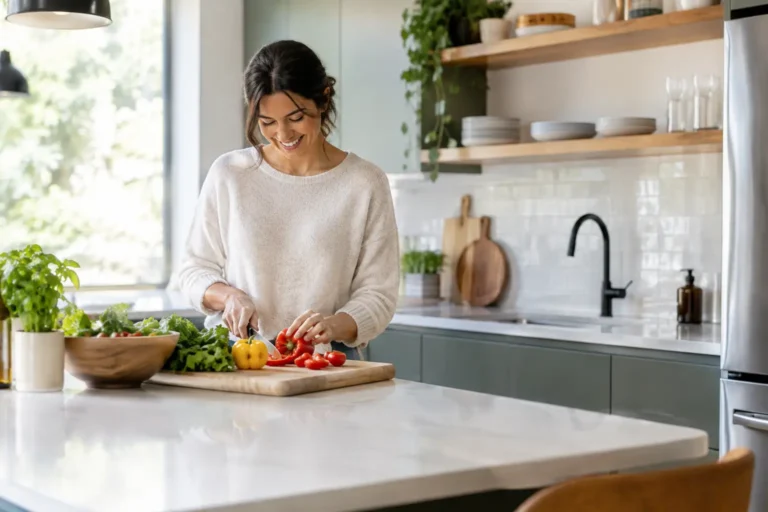
Batch cooking is also becoming lighter. Instead of dedicating an entire Sunday to preparing every meal, try a 45-minute reset once or twice a week. Wash produce, chop a few vegetables, cook one base ingredient, and make a dressing or sauce. That is enough to create momentum without giving up a day off.
There is a trade-off, of course. Prepping too far ahead can lead to food that loses its texture, especially delicate greens, crisp vegetables, and seafood. Cook heartier items in advance, then save quick-cooking ingredients for the day you plan to eat them. Freshness is part of convenience, too.
Shopping-list apps, recipe-saving tools, grocery delivery, and smart reminders can make planning feel more manageable. A shared list is particularly useful when more than one person shops or cooks. When the last lemon is used, it can go on the list immediately instead of becoming a missing ingredient at 6 p.m.
Still, technology works best as a helper, not a boss. An app can suggest a recipe, but it cannot know that your family is tired of chicken or that the tomatoes on the counter need to be used tonight. Let digital tools handle reminders and organization, then make the final plan based on what is actually in your kitchen.
A simple note on your phone can be enough: three dinner ideas, two lunch options, and one backup pantry meal. That backup matters. Keep an easy option ready for the evenings when the plan changes, whether that is pasta with a jarred sauce, a freezer soup, or eggs and toast with a fresh side salad.
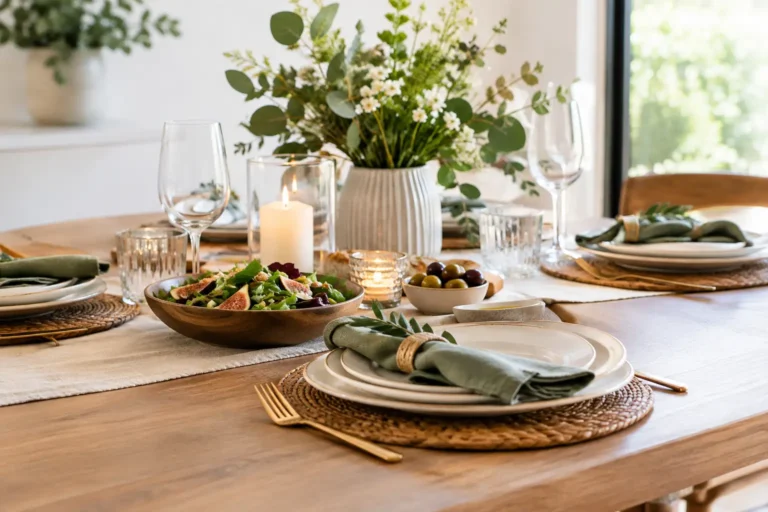
The most appealing meal planning trend may be the move toward making ordinary meals feel more intentional. A planned dinner does not have to be elaborate to feel special. Set the table with placemats instead of eating over the sink. Pour water into glasses you enjoy using. Bring a warm loaf of bread to the table in a simple basket or serve a weekday soup in bowls that make it feel like a real meal.
These details are not about perfection or performing for anyone. They create a gentle signal that dinner is a pause in the day. When hosting friends, a flexible meal plan makes entertaining easier, too. Choose a menu with one main dish you can prepare ahead, a few easy sides, and a dessert that does not demand last-minute attention.
Kitchen Bay’s approach to everyday cooking is built around that balance: useful tools, inviting table details, and room to make the routine feel a little more celebratory. Start with one change that removes friction from your week, whether it is a better pantry setup, a flexible theme night, or a dependable backup meal. The best plan is the one that gives you more time to cook, create, and gather around the table.







Leave a comment