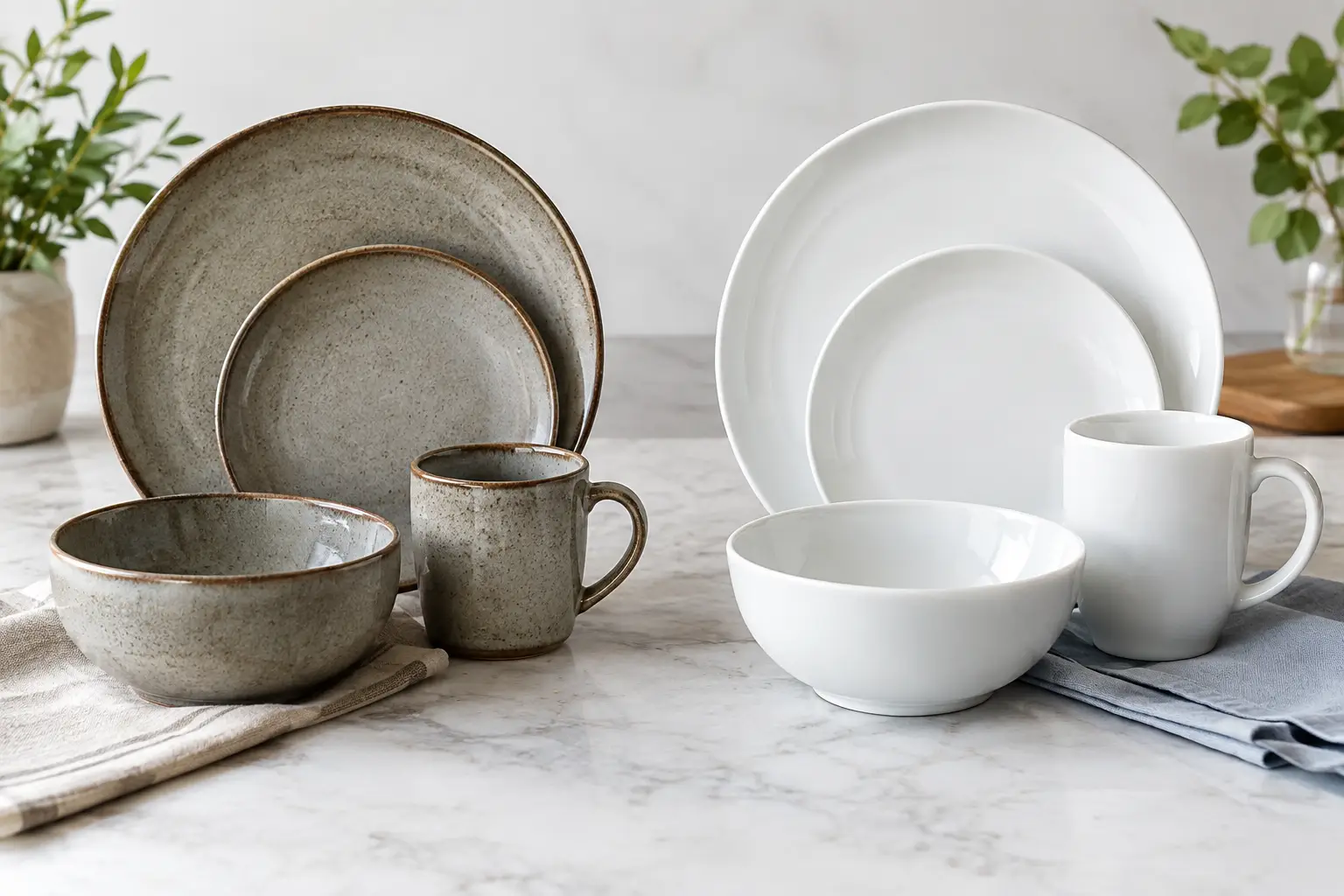
A bowl of creamy pasta looks different on a softly speckled stoneware plate than it does on bright white porcelain. Neither choice is simply “better,” but stoneware versus porcelain dinnerware can change how your table feels, how your dishes hold up to daily use, and how much care they need after the meal is over.
For everyday cooks, frequent hosts, and anyone refreshing a cabinet full of mismatched plates, the right answer comes down to your routine. Do you want relaxed, handcrafted-looking pieces that make Tuesday dinner feel warmer? Or do you prefer crisp, polished settings that move easily from breakfast to a birthday dinner? Here is how to choose with confidence.
Both stoneware and porcelain are ceramic dinnerware, meaning they are shaped from clay and fired in a kiln. The difference lies in the clay blend, firing temperature, and finished appearance.
Stoneware is usually made from a heavier clay body and fired at high temperatures until it becomes dense and durable. It often has a substantial feel, an earthy color palette, and a slightly organic surface. Even when it is glazed, stoneware commonly carries subtle variations in tone or texture that give each place setting personality.
Porcelain is made from finer clay materials and fired at even higher temperatures. This creates a smooth, hard, less porous material with a refined finish. Classic porcelain is often bright white, though it also comes in color, pattern, and modern matte glazes. It tends to look lighter, cleaner, and more formal, even when the design is simple.
The easy visual shortcut is this: stoneware feels relaxed and tactile, while porcelain feels crisp and polished. Of course, design matters too. A sleek charcoal stoneware set can look strikingly modern, while a patterned porcelain plate can feel wonderfully playful.
Stoneware has a welcoming, lived-in appeal that suits the way many homes actually eat. Its weight makes it feel sturdy in the hand, and its wide range of glazes can complement everything from rustic wood tables to streamlined apartment kitchens. Think oatmeal in a deep bowl on a quiet morning, tacos on a low-rimmed plate, or a casual family-style dinner with serving dishes passed around the table.
Modern glazed stoneware is generally a practical choice for everyday use. Many pieces are dishwasher- and microwave-safe, but the manufacturer’s care instructions should always be the final word. A metallic rim, hand-painted detail, or unusual glaze can change what is safe for the microwave or dishwasher.
Because stoneware is often thicker, it can help food stay warm a little longer at the table. That is especially nice for soups, baked pasta, or meals served during cooler months. The same thickness can also mean it takes more room in cabinets and feels heavier when you are carrying a stack of plates.
Stoneware is not automatically indestructible. It can chip if knocked against a hard countertop or another plate, particularly around rims and edges. Still, a well-made set is built for real life, and its natural variation can make minor wear feel less obvious than it would on a glossy, uniform surface.
Stoneware is a strong fit if you gravitate toward warm neutrals, soft greens, deep blues, reactive glazes, or gently irregular shapes. It is also an appealing option for households that want dinnerware to feel special without looking too precious. The goal is not a formal tablescape every night. It is a table that invites people to sit down and stay awhile.
Porcelain brings a different kind of everyday ease. Its surface is typically smooth and nonporous, making it easy to clean and well suited to foods with bold sauces, oils, or strong colors. It has a refined look, but that does not mean it belongs only in a china cabinet. Many contemporary porcelain sets are made for weekday breakfasts, packed lunches, and weeknight leftovers.
A white porcelain dinner plate is especially versatile because it lets food take center stage. Colorful salads, golden roasted vegetables, and homemade desserts all stand out against a clean white background. For home cooks who enjoy plating a meal beautifully, porcelain can make simple food look more intentional.
Porcelain is often lighter and thinner than stoneware, although this varies widely by collection. That can make it easier to stack, carry, and store in compact kitchens. It also gives a table a neat, coordinated appearance, whether you are setting out four places for family or dressing up the dining room for guests.
Its trade-off is that a thin, delicate-feeling porcelain plate may not be the best match for a particularly busy household. High-quality porcelain can be remarkably strong, but no ceramic plate is immune to a sharp drop onto tile. If durability is your top concern, look for pieces described as reinforced, hotel-grade, or designed for everyday service rather than assuming all porcelain performs the same way.
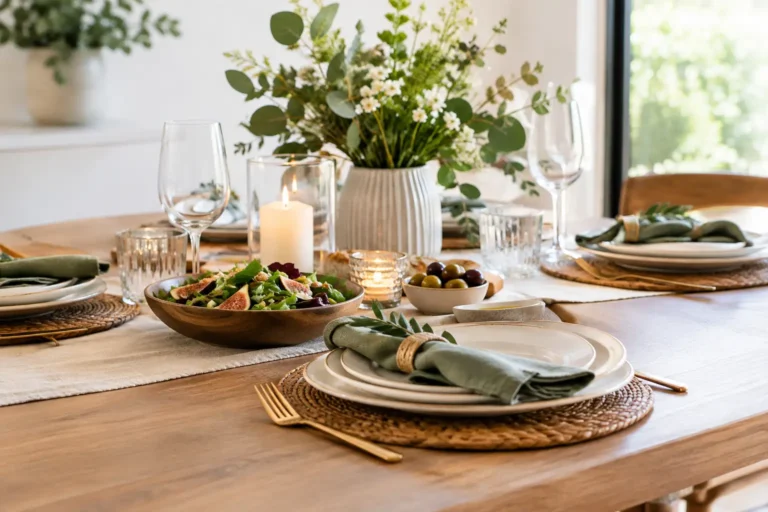
Porcelain works beautifully for people who want one dinnerware set that can handle nearly every occasion. Pair it with woven placemats for a casual lunch, then add cloth napkins, candlelight, and glassware for a more elevated evening. Its understated look makes seasonal decorating easy too, since it works with nearly any tablecloth, centerpiece, or serving style.
The best dinnerware material is not just about appearance. It needs to match your habits.
For daily cleanup, both glazed stoneware and porcelain are commonly dishwasher-safe. Avoid crowding the dishwasher so plates do not knock together during a cycle. If you are washing a favorite set by hand, use a soft sponge rather than abrasive scrubbers that may dull a glaze over time.
For microwave use, check each collection’s instructions. Plain stoneware and porcelain are frequently microwave-safe, but pieces with metallic detailing are not. Even microwave-safe dinnerware can become hot, so use an oven mitt or towel when needed.
Neither material loves sudden temperature changes. Do not move a cold plate straight into a hot oven, or place a piping-hot dish onto a wet, cold surface. This kind of thermal shock can cause cracking. Oven-safe stoneware and porcelain can be wonderful for warming plates or serving baked dishes, but only if the manufacturer specifically says they are oven-safe.
If you have limited storage, porcelain may have the advantage because it is often slimmer and easier to stack. If you value a more substantial plate that feels cozy and grounded, stoneware may be worth the extra shelf space. For households with young children, consider the plate’s shape and rim as much as its material. A wide, low-rimmed plate can be easier for little hands to handle than a deep or oversized design.
Start with how you eat most often, not the formal dinner party you host once a year. If weeknight meals happen around the kitchen island, choose dishes that feel comfortable, easy to replace, and simple to clean. If you love planning brunches, holiday dinners, or dessert-and-coffee evenings with friends, consider how your dinnerware will look alongside your favorite drinkware, linens, and serving pieces.
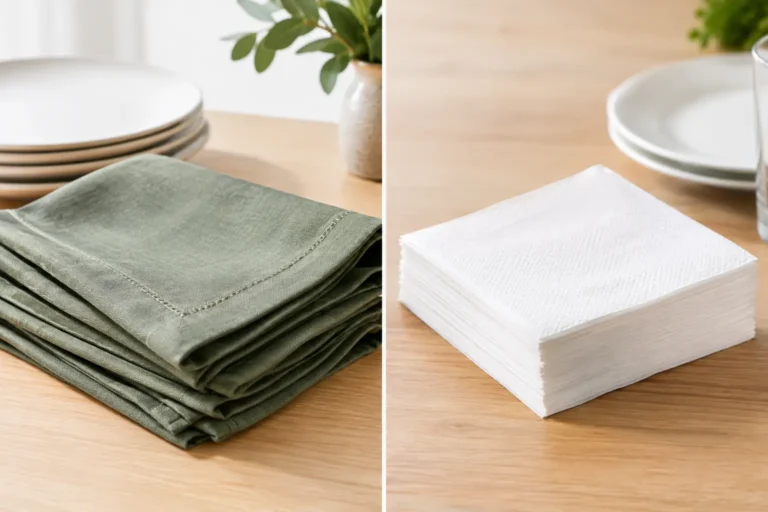
Stoneware can create an instantly layered table with minimal effort. Choose dinner plates in a versatile neutral, then bring in texture through napkins, placemats, and serving bowls. Porcelain gives you an adaptable foundation that can be dressed up or down with color and pattern around it.
You do not have to choose only one material, either. Many homes use porcelain plates for daily meals and stoneware bowls for soups, grain bowls, and relaxed entertaining. Mixing materials can look collected rather than overly matched when the colors share a common thread, such as warm white, sand, charcoal, or navy.
When shopping, think beyond the dinner plate. Hold the mug shape in mind for your morning coffee, picture how the bowl will fit a generous salad, and consider whether the salad plate can double as a dessert plate. A beautiful set earns its place in your kitchen when every piece gets used.
The most satisfying table is the one that supports the life happening around it. Choose stoneware when you want tactile warmth and easygoing character; choose porcelain when you want polished flexibility and a clean canvas for every meal. Then set the table, serve something you love, and make even an ordinary night feel worth celebrating.








Leave a comment