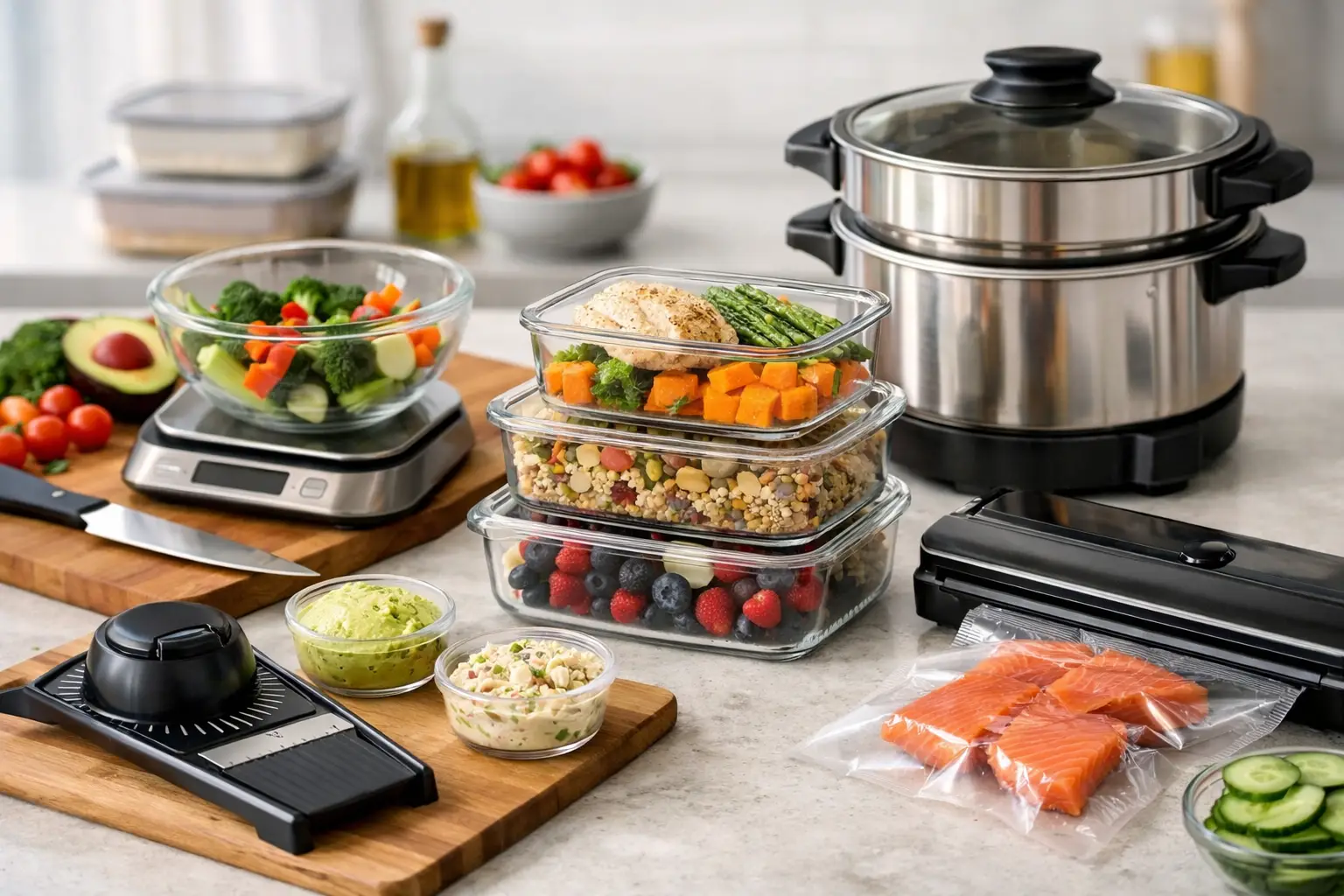
A Sunday batch of roasted vegetables can feel like a gift on Wednesday, but only if you can find a clean container, a sharp knife, and a place for everything in the fridge. This guide to meal prep tools is designed for real home kitchens, where counter space is limited, schedules change, and dinner still needs to happen.
The goal is not to turn your kitchen into a restaurant prep station. It is to choose a few hardworking pieces that make chopping, portioning, storing, and reheating feel less like another chore. The best setup is personal: a solo apartment cook needs different tools than a family packing weekday lunches. Start with the routines you want to make easier, then build from there.
Before adding specialty gadgets to your cart, cover the essentials that support nearly every kind of meal prep. A reliable chef’s knife, a roomy cutting board, storage containers, and measuring tools will do more for your weekly routine than a drawer full of single-purpose accessories.
A good knife is the tool you will notice immediately. It makes quick work of onions, leafy greens, chicken, and sweet potatoes, which means less hesitation when it is time to prep. Pair it with a stable cutting board large enough to hold ingredients without sending scraps over the edge. Wood has a warm, classic look and is gentle on knife blades, while plastic boards are often lighter and easier to sanitize after raw proteins. Many households keep one of each.
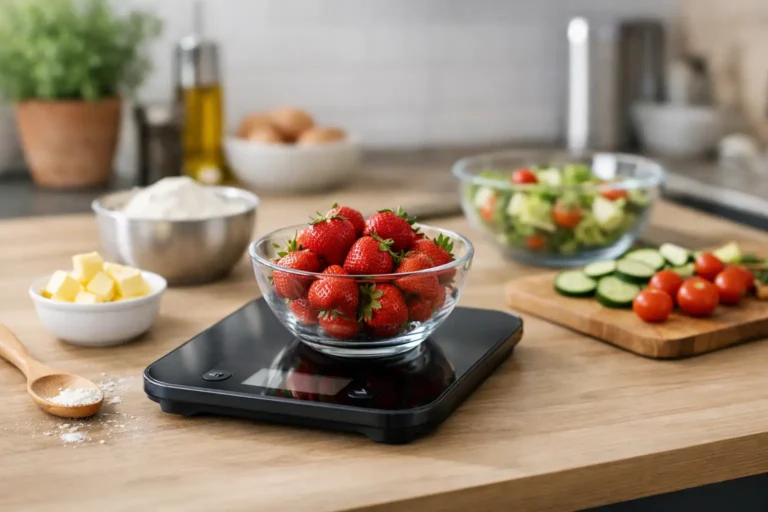
Measuring cups and spoons are equally useful, even if you rarely follow recipes exactly. They make it easier to portion snacks, divide grains for lunches, or mix a dependable dressing for the week. A mixing bowl set that nests together keeps this everyday work organized without claiming an entire cabinet.
Containers are the foundation of meal prep, but bigger is not always better. The right mix usually includes large containers for batch-cooked ingredients, medium containers for ready-to-grab meals, and smaller options for dressings, chopped herbs, fruit, or snack portions.
Glass containers are a favorite for cooks who want to move food from refrigerator to microwave with fewer steps. They resist stains and odors, look polished on open shelves, and make leftovers easier to see. Their trade-off is weight, especially when you are packing lunch or loading several containers into the freezer. Plastic containers are lighter and convenient for busy households, though choosing sturdy, well-fitting lids matters if you want to avoid spills and warped edges over time.
Rather than buying every size available, think through one typical week. If you prefer component prep, with cooked rice, proteins, vegetables, and sauces stored separately, choose a range of stackable containers. If you portion complete lunches in advance, medium-sized divided containers may be more useful. For a household that hosts often, a few larger serving containers can pull double duty for make-ahead salads and leftovers after dinner.
Clear sides and secure lids make a surprisingly big difference. When you can see what is ready to use, ingredients are less likely to disappear behind takeout boxes and go to waste. Stackable shapes also turn the refrigerator into a calmer, more usable space.
A simple label with the food name and prep date can save the question nobody wants to ask: “Is this still good?” Reusable labels or a dry-erase marker on appropriate container lids are enough. This small habit is especially helpful for sauces, cooked grains, and freezer meals that otherwise start to look alike.
Once the basics are in place, add tools that remove friction from the tasks you repeat most. An immersion blender is especially useful for blended soups, sauces, vinaigrettes, and smoothies because it works directly in a pot or tall cup. It saves you from transferring hot ingredients to a countertop blender and gives you one less bulky appliance to store.
A vegetable peeler, kitchen shears, and a box grater are modest tools with a big weekly payoff. Use the peeler for carrots, potatoes, and ribbons of zucchini; shears for herbs, tortillas, or trimming chicken; and the grater for cheese, carrots, or a quick finish of lemon zest. None needs to be fancy. They simply need to feel comfortable in your hand and be easy to clean.
A salad spinner is worth considering if fresh greens are a regular part of your plan. Washed and thoroughly dried lettuce stays more inviting, and a ready container of greens can turn into a quick lunch with leftover chicken, grains, and dressing. If salads are occasional in your home, a colander and clean kitchen towels may be all you need.
Meal prep is partly about cooking ahead, but it is also about keeping ingredients ready between grocery day and dinner. Airtight canisters help protect dry staples such as oats, rice, pasta, nuts, and coffee while making pantry shelves look intentional rather than crowded. Square or rectangular canisters tend to use shelf space more efficiently than round ones.
For produce, the approach depends on what you buy. Berries and tender herbs benefit from airflow and gentle handling, while chopped onions, bell peppers, and celery do well in sealed containers. Avoid washing everything at once if you know you will not use it for several days. A little moisture can shorten the life of delicate produce, so wash what makes sense for your schedule.
Freezer-friendly containers or reusable storage bags are valuable for anyone who likes a backup dinner. Freeze soups, chili, cooked beans, shredded meat, and sauces in portions that match how you will use them later. Flat portions are easier to stack, thaw, and fit into a busy freezer. Leave some room at the top for foods that expand as they freeze.
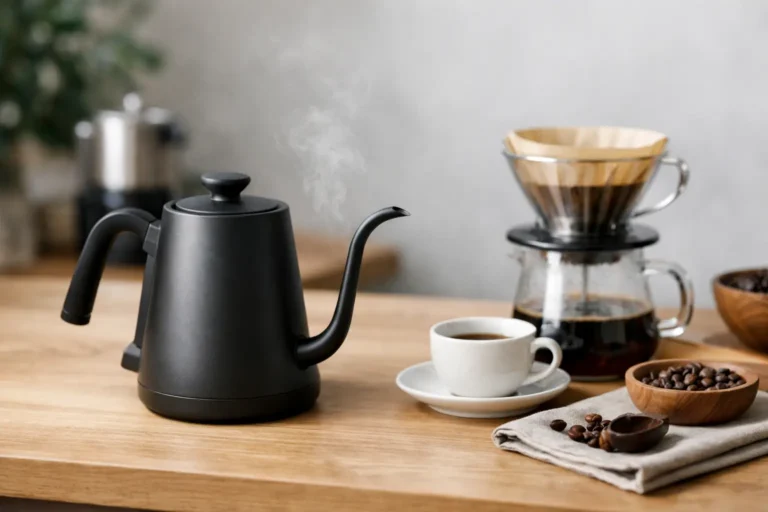
Not every meal prep tool handles food. If your morning routine includes coffee or tea, a pour-over kettle can make that first quiet moment feel considered. It is also handy for adding controlled streams of hot water to oats, couscous, instant noodles, or a small bowl of grains. This is not a necessity for every kitchen, but the right ritual tools can make a prepared week feel more enjoyable.
The most useful tools are the ones you can reach without digging. Store containers near the refrigerator if possible, keep knives and cutting boards close to your main prep area, and group pantry staples in clear canisters where you can spot them quickly. A dedicated basket for lunch containers, snack bags, and small sauce cups can prevent the familiar hunt for matching lids.
Countertop space is valuable, so resist leaving every appliance out. Keep frequently used tools accessible, but let specialty equipment earn its place. If you make smoothies every morning, your immersion blender or blender deserves easy access. If you only blend soup twice a year, cabinet storage is perfectly sensible.
Kitchen Bay makes it easy to bring function and a more polished look together, whether you are refreshing your food storage, choosing prep essentials, or creating a pantry that feels ready for the week ahead. The most inviting kitchens are not packed with products. They are arranged around the way people actually cook, eat, and gather.
For small kitchens, prioritize nesting bowls, stackable containers, and tools with more than one job. A compact immersion blender, sharp knife, and a few versatile glass containers can cover a great deal without filling every drawer.
For families, capacity and durability matter more. Larger cutting boards, multiple container sizes, and enough lunch-ready pieces to cover several days can reduce weekday stress. Consider using color-coded lids or labels so everyone can identify snacks and lunches quickly.
For people who enjoy hosting, choose tools that transition gracefully from prep to table. Attractive storage canisters, bakeware, serving-friendly containers, and drinkware make it easier to prepare ahead without making the kitchen feel purely utilitarian. A make-ahead dip, chilled pasta salad, or batch of muffins becomes part of the occasion when it is ready to serve with minimal fuss.
The smartest meal prep setup is not the one with the most gear. It is the one that gives tomorrow’s you a clean cutting board, a stocked container cabinet, and one less reason to order dinner at the last minute.







Leave a comment