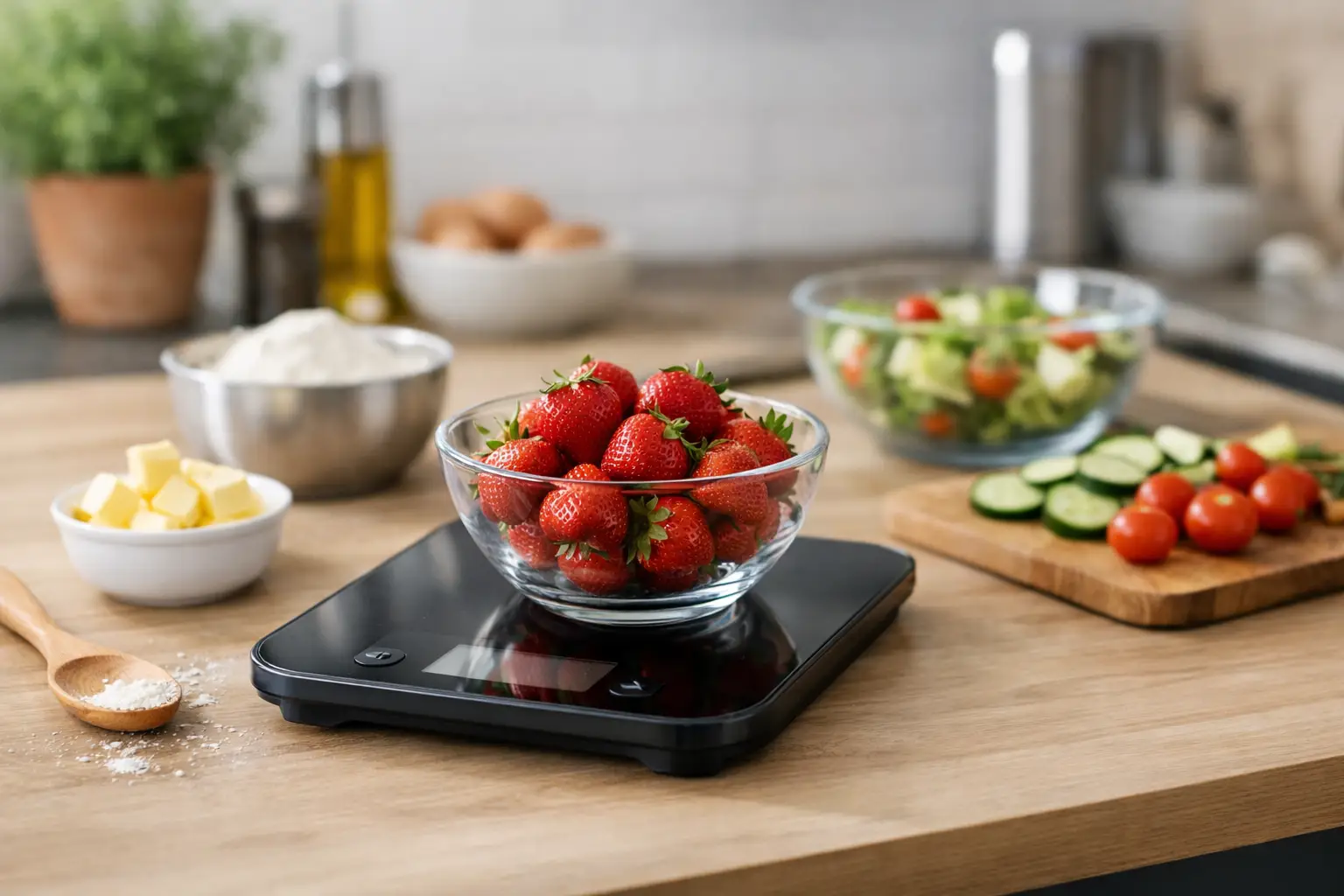
A cup of flour can vary more than most home cooks expect. A few extra spoonfuls can turn tender cookies dry, make bread dough stiff, or leave a favorite weeknight recipe tasting slightly different each time. Kitchen scales take out the guesswork, giving everyday cooks a simple way to measure with more confidence and less cleanup.
For baking, meal prep, coffee, and even hosting, a good scale is one of those small kitchen tools that earns its counter space quickly. It is not about making cooking feel overly precise. It is about making the parts you repeat easier, faster, and more reliable.
Most recipes in the United States are written with cups and tablespoons, and those tools still have a place in the kitchen. But volume measurements can be inconsistent, especially with ingredients that compress, clump, or settle. Flour, brown sugar, grated cheese, oats, and chopped vegetables can all look different from one cook to the next.
A scale measures what is actually in the bowl. That means a 100-gram portion of flour is 100 grams whether it is sifted, spooned, or packed. Once you start weighing frequently used ingredients, favorite recipes become easier to repeat. You can also adjust them with intention rather than wondering why the last batch came out differently.
The convenience goes beyond baking. Weighing smoothie ingredients directly in a blender cup means fewer measuring cups in the sink. Measuring pasta, rice, coffee beans, or a serving of nuts takes seconds. For busy households, that small bit of accuracy can make meal planning feel more organized without making dinner feel like homework.
Baking is where kitchen scales make their strongest case. Doughs and batters respond to proportions, so accurate flour, sugar, butter, and liquid measurements create more dependable results. A scale is particularly useful for bread, where too much flour can make a loaf dense and dry, and for delicate desserts where small differences matter.
It also simplifies the process. Place your mixing bowl on the scale, press tare to reset the display to zero, then add each ingredient one at a time. There is no need to wash a separate measuring cup for every addition. For a relaxed Sunday bake or a tray of cookies before guests arrive, that is a welcome kind of efficiency.
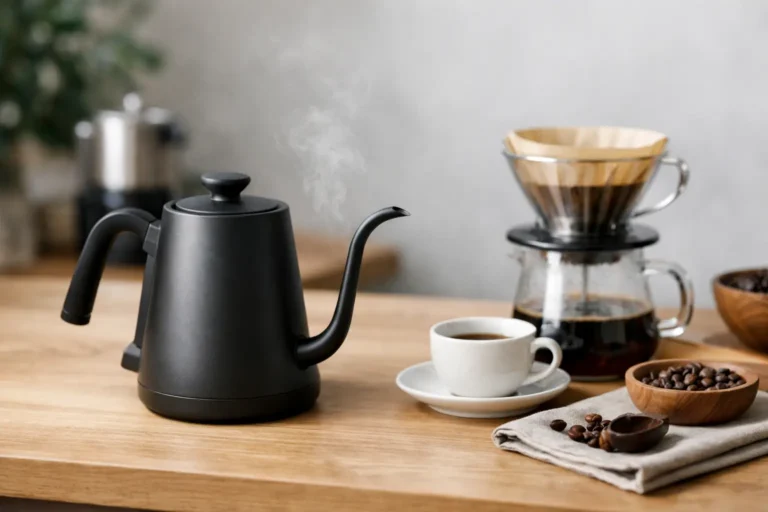
A pour-over setup feels special because it turns a daily drink into a small ritual. A scale helps keep that ritual consistent. Weighing coffee and water lets you use the same ratio each time, whether you prefer a bright, lighter cup or something more full-bodied.
For loose-leaf tea, a scale can help with portions when you are making a full pot for brunch or testing a new blend. You do not need laboratory-level precision. A quick, repeatable measurement is enough to make your morning cup easier to dial in.
A kitchen scale is helpful when you are dividing leftovers into containers, preparing lunches for the week, or following a recipe with nutrition goals. It gives you a clearer picture of portions without requiring a complicated system.
That said, a scale should support your routine, not make every meal feel restricted. Use it where it offers real value: portioning ingredients for a recipe, estimating servings for a dinner party, or making enough rice for several lunches. For a casual salad or a family-style pasta night, your eyes and appetite work just fine.
When you are hosting, many small tasks add up. A scale makes it simpler to portion snack mixes, measure ingredients for a large-format cocktail, or divide dough for dinner rolls. It is also useful for weighing ingredients when scaling a recipe up for a crowd.
If you enjoy putting together a thoughtful table, the tool itself does not need to feel purely utilitarian. A compact, clean-lined scale can fit comfortably beside storage canisters, a favorite kettle, and the serving pieces that make everyday hosting feel more polished.
The best kitchen scales for most homes are digital, easy to read, and simple to store. You do not need an intimidating control panel or a long list of settings to get excellent everyday use. Focus on the features you will reach for regularly.
Capacity matters first. Many home cooks will be well served by a scale that handles up to 11 pounds or 5 kilograms. That is enough for a mixing bowl full of cookie dough, a large casserole ingredient list, or a small batch of meal-prep containers. If you often bake bread, cook for a larger household, or preserve seasonal produce, a higher capacity can be useful.
Precision is the next consideration. For general cooking and baking, measurements in 1-gram increments are practical and reliable. If coffee is a serious ritual in your home, a scale that measures to one-tenth of a gram may be worth considering. It is a nice specialty feature, but it is not necessary for most kitchen tasks.
A responsive tare function is essential. Tare lets you reset the display to zero after placing a bowl, jar, or plate on the platform. You can then add an ingredient, reset again, and continue building your recipe in one vessel. It is the feature that turns a scale from an occasional gadget into a true everyday helper.
Also consider the display and the platform. A bright screen is easier to read in the early morning or under kitchen lighting. A roomy platform gives bowls more stability, while a slim profile is easier to tuck into a drawer. Stainless steel or smooth, wipe-clean surfaces are especially convenient around flour, oil, and sticky ingredients.
Battery-powered scales are portable and easy to place wherever you are working. Rechargeable models can reduce battery replacement, though they need occasional charging. Neither choice is automatically better. Pick the option that fits the way you use and store your kitchen tools.
Start with one recipe you already make often. A batch of muffins, pancakes, bread, or overnight oats is a great place to begin. Find a weight-based version of the recipe, or convert only the key ingredients if you have reliable measurements. After making it once or twice, you will see how natural the routine becomes.
For ingredients that are listed by volume, remember that conversions are not always universal. One cup of flour does not weigh the same as one cup of oats, and brands or preparation methods can affect the result. When possible, follow recipe weights from a tested source rather than applying a generic conversion to every ingredient.
Use grams as your default for baking and recipe building. The numbers are straightforward, and metric weights make scaling recipes much easier. If a recipe serves four and you need enough for six, multiplying grams is far simpler than calculating cups plus tablespoons and fractions.
For everyday cooking, take advantage of the tare function. Put your bowl on the scale, tare it, add yogurt, tare it again, then add fruit and granola. You can do the same with a pot for soup ingredients or a container for pantry staples. One bowl, less clutter, and a calmer cleanup.
A kitchen scale needs very little maintenance, but a few habits help it last. Wipe the platform after each use with a soft, slightly damp cloth, especially after flour, sugar, or oil. Avoid submerging an electronic scale unless the manufacturer specifically says it is safe to do so.
Store it flat in a drawer or cabinet where heavy cookware will not press on the display. If you use batteries, replace them when the display starts fading or responding slowly. For rechargeable styles, charge before a big baking day or holiday meal rather than discovering an empty battery halfway through prep.
It is also smart to keep the platform clear of spills when weighing raw proteins or messy ingredients. Place a bowl, parchment paper, or a washable plate on top, then tare before adding food. This protects the scale and keeps cleanup simple.
A reliable scale is a modest upgrade with an outsized effect. It helps a first loaf of bread feel less mysterious, makes weekday meal prep more manageable, and gives your favorite recipes the consistency that turns them into traditions. At Kitchen Bay, the best kitchen tools are the ones that invite you to cook, create, and celebrate more often – one confidently measured ingredient at a time.







Leave a comment