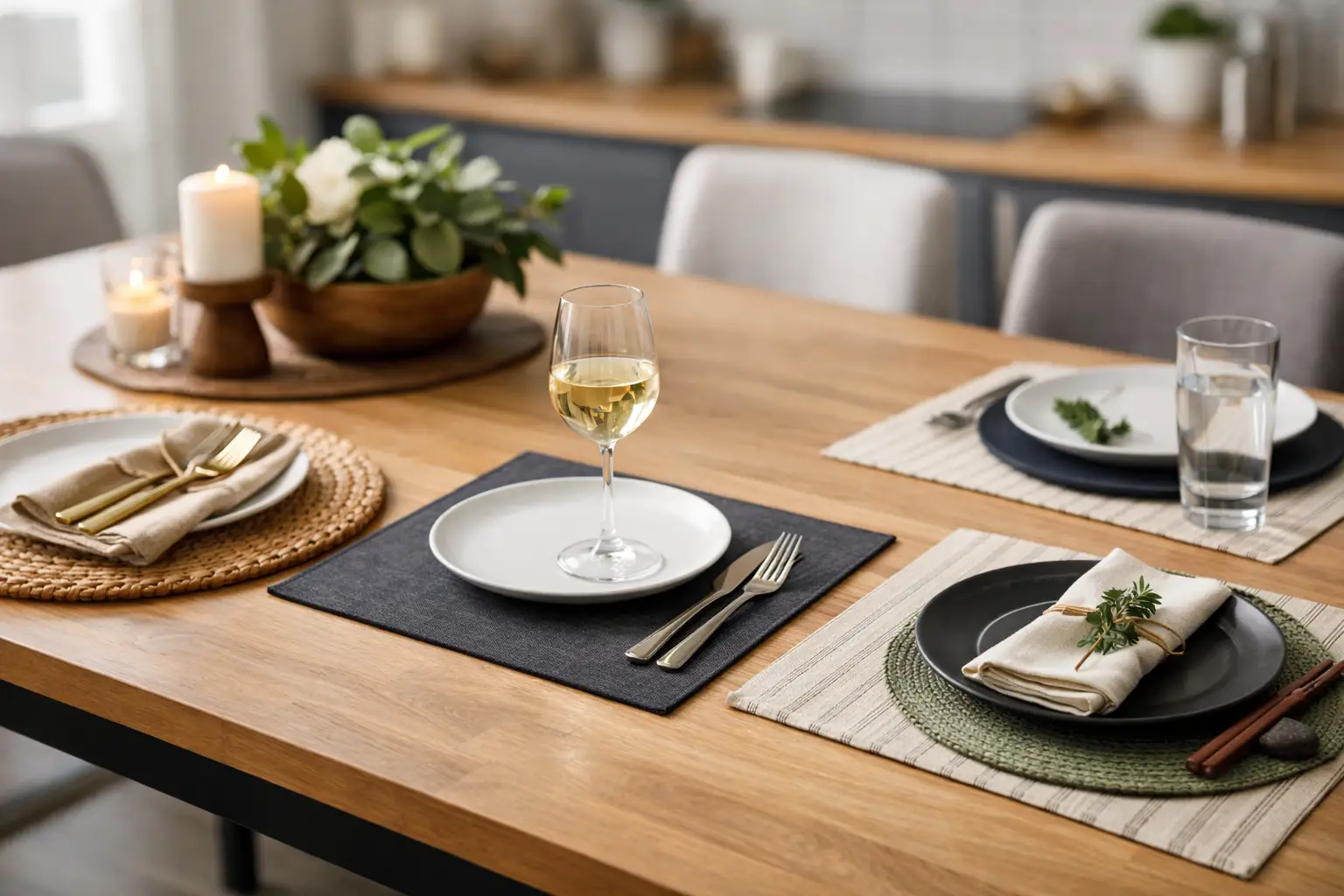
A dining table can look finished or forgotten based on one small detail: what sits under the plate. The best placemats for dining table settings do more than protect wood or catch crumbs. They set the mood, soften the space, and make an everyday meal feel a little more pulled together without asking much from you.
If you have ever bought placemats that looked great online but curled at the corners, stained after one pasta night, or felt too formal for real life, you already know the choice is not just about color. It is about how you live. Busy family dinners, apartment breakfasts, holiday hosting, and weeknight takeout all ask for something slightly different.
The right placemat balances three things: how it looks, how it cleans, and how it works with your table. That sounds simple, but trade-offs show up fast. A woven natural fiber placemat can be beautiful and warm, but it may not handle spaghetti sauce like a wipe-clean vinyl option. A fabric placemat can feel polished and soft, but it often needs more maintenance than a synthetic one.
That is why the best choice usually depends on whether your dining table is working hardest as a family hub, a decorative focal point, or a hosting space. If your table sees homework, snacks, and coffee mugs before dinner even starts, easy cleanup matters. If you love entertaining, texture and layering may matter just as much as stain resistance.
Think about the meal moments you have most often, not the ones you wish you had. If you eat at the table every night with kids, thick wipeable placemats are usually a better fit than delicate linen. If your dining area doubles as a design statement in an open-concept home, you may want placemats that add shape and texture even when the table is not fully set.
It also helps to consider how often you want to replace them. Some placemats are affordable enough to switch with the seasons. Others are more of a long-term basic, meant to work year-round with everything from casual brunch to holiday dinner.
Material is where function really starts. Even the prettiest placemat will feel like a miss if it does not suit your routine.
These are often the most practical choice for busy households. They wipe clean quickly, resist many common food stains, and hold their shape better than some fabric styles. If you want a neat table with very little effort, this is usually the easiest lane.
The trade-off is feel. Some vinyl placemats can look a little flat or utilitarian if the finish is too shiny or the texture feels synthetic. A better-designed faux leather placemat often solves that problem by adding a more elevated, matte look that still handles spills well.
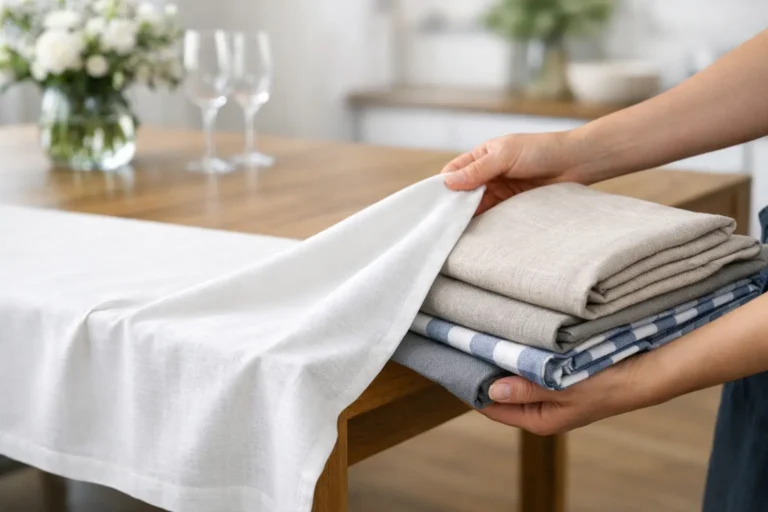
Fabric placemats bring warmth to the table in a way hard-surface options rarely do. They feel relaxed, inviting, and versatile, especially if you like mixing tablecloths, napkins, and seasonal centerpieces. For homes where dining is part of the atmosphere, not just the meal, fabric can be the most visually satisfying option.
The downside is maintenance. Cotton is generally easier to wash than linen, but both can wrinkle, absorb stains, and need more care. They are a smart choice for adults-only homes, lighter use, or people who genuinely enjoy dressing the table.
Placemats made from rattan, seagrass, jute, or similar fibers add instant character. They work especially well in coastal, farmhouse, earthy, and relaxed modern spaces. If your table needs warmth or dimension, these can make the whole setup feel styled without looking too formal.
They are not always ideal for messy meals. Crumbs can settle into the weave, liquids may soak in, and some natural materials can warp over time. They are often best for lower-mess dining or layered use over a protective surface.
If you want something affordable, durable, and easy to rotate through different looks, synthetic blends are hard to ignore. Many are designed to mimic woven textures while staying more stain-resistant than natural fibers. For shoppers who want style without fuss, this category often gives the most flexibility for the price.
Quality varies a lot here, so finish matters. Better options lie flat, feel substantial, and have a pattern or texture that looks intentional rather than overly manufactured.
Round, rectangular, and oval placemats each change how a table feels. Rectangular placemats are the most common because they work well with standard place settings and fit many table shapes. They are practical, familiar, and easy to shop for.
Round placemats can soften a dining setup and make each place setting feel more decorative. They work especially well on round tables, smaller breakfast nooks, or tables that need a lighter visual touch. Oval styles sit somewhere in between, offering a more polished look without feeling too rigid.
If your table is narrow, oversized placemats can crowd the center and make everything feel cramped. In that case, a slimmer rectangle or round design often fits better. Proportion matters almost as much as color.
Neutral placemats are popular for good reason. They play nicely with changing dishes, holiday accents, and everyday glassware. Beige, taupe, charcoal, black, soft gray, and warm white tend to stretch the farthest across seasons and styles.
But practical does not have to mean plain. A subtle woven pattern, stitched border, or textured finish can add interest without locking you into one look. If your tableware is simple, placemats are an easy place to bring in depth.
For homes that like seasonal refreshes, placemats are one of the easiest swaps you can make. Rich tones in fall, lighter natural textures in spring, and deeper solids for winter gatherings can change the mood of the table quickly. This is where having one dependable neutral set and one more expressive set often works best.
A glass table usually benefits from placemats that add softness and reduce the cold, slick feel. Fabric, woven textures, or matte faux leather often work well here. A wood table may need placemats that protect from heat, moisture rings, and scratches while still letting the warmth of the wood show through.
If your home leans modern, cleaner lines and solid colors usually look strongest. If your style is more traditional or cozy, woven or fabric placemats can help the table feel fuller and more welcoming. Apartment dwellers and smaller-space shoppers may want placemats that stack flat and store easily, especially if the dining space does double duty.
Households with children should be honest about cleanup tolerance. If you do not want to spot-treat tomato sauce or shake crumbs out of woven fibers every night, choose a wipe-clean surface and call it a smart decision. Good style should make life easier, not add another chore.
When narrowing down the best placemats for dining table setups, ask four practical questions. Will they fit your plates and table size comfortably? Can you clean them the way you actually clean things at home? Do they match your everyday dishes, not just your dream tablescape? And will they still look good after repeated use?
That last point matters. Some placemats photograph beautifully but wear poorly. Edges fray, backing separates, or the surface keeps every stain. A more reliable placemat may be a little simpler at first glance, but it earns its place by staying presentable through real meals and real routines.
For many shoppers, the sweet spot is a placemat that looks styled enough for guests but practical enough for a Tuesday night dinner. That balance is where everyday value lives, and it is often what makes a purchase feel right long after checkout.
A well-chosen set of placemats can make the whole table feel more intentional, whether you are serving pancakes, takeout, or a holiday meal. If you want an easy upgrade that blends function with style, Kitchen Bay’s approach to dining essentials makes the search feel less overwhelming and a lot more inspiring. Choose the set that fits your actual life, and your table will thank you every day.








Leave a comment