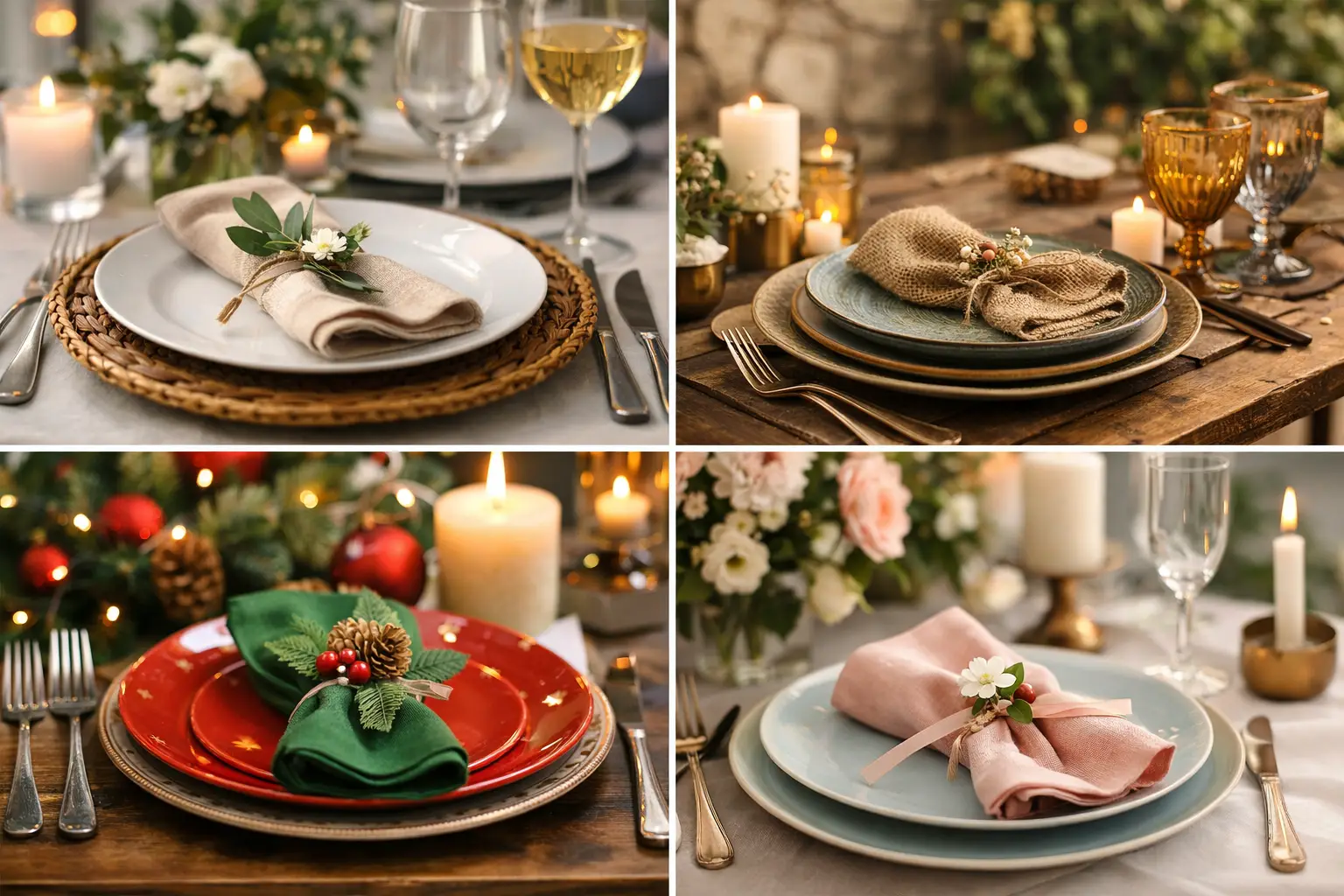
A great table setting does not need a holiday-sized budget or a cabinet full of matching china. The best table setting ideas start with one simple goal: make guests feel cared for while making the meal feel a little more special. A woven placemat, a folded napkin, and the right glass can change the mood before the first dish reaches the table.
For everyday meals, keep the setup easy enough to repeat. For birthdays, brunches, and holidays, build on that foundation with color, texture, and one memorable detail. The result should feel inviting, not over-styled or difficult to sit down to.
Think of your table in layers, beginning with the largest visual element. A tablecloth or runner sets the tone immediately. A crisp white cloth feels clean and classic, while a warm neutral, subtle stripe, or seasonal color can make a casual table feel more considered.
Next, add placemats. They define each seat, protect the table, and give dinnerware a polished place to land. Round woven placemats soften a rectangular table, while simple fabric or wipe-clean styles work especially well for busy weeknights and families with young children.
Then comes dinnerware. You do not need a different set for every occasion. White or cream plates are wonderfully flexible because they let food, napkins, and centerpieces take the spotlight. If you love color, try using colorful salad plates or small bowls over a neutral dinner plate. This creates interest without making the table feel visually crowded.
The most useful setting is the one you will actually use. Start with placemats, a dinner plate, a water glass, and a cloth or paper napkin. Add a small bowl when soup, pasta, or grain bowls are on the menu.
Choose one detail that makes the routine feel intentional, such as a folded napkin tucked under the fork or a small carafe of water in the center. Keep the centerpiece low and minimal so passing dishes and conversation stay easy. A small bud vase, a candle, or a bowl of citrus is more than enough.
This style is ideal for households that want a more enjoyable nightly ritual without extra cleanup. It is also a smart way to make practical pieces, such as durable drinkware and easy-care placemats, earn their place in your kitchen.
Brunch has a relaxed, generous feeling, so let the table follow suit. Use a light tablecloth or runner, layered plates for pastries and eggs, and plenty of glasses for coffee, juice, and sparkling water. Soft colors such as pale blue, butter yellow, blush, or fresh green feel cheerful without demanding a themed look.
Instead of a formal centerpiece, arrange fruit, jam jars, and a cake stand or serving board down the center of the table. The food becomes part of the decor, and guests can reach what they need without interrupting the flow of the meal.
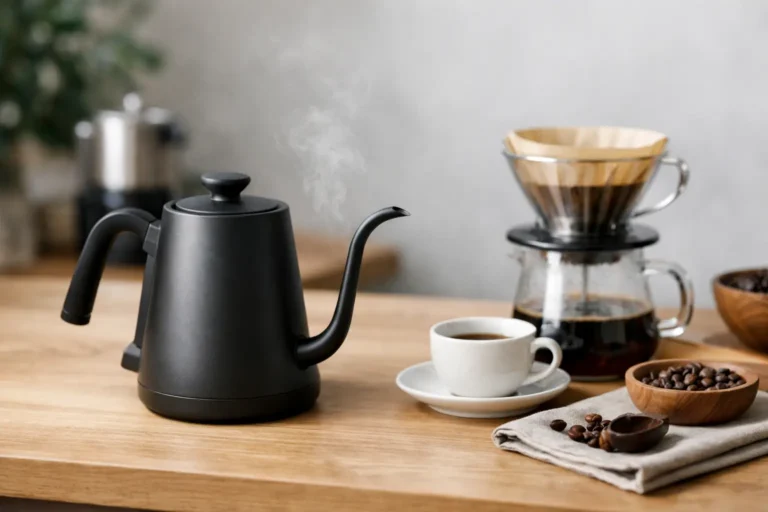
A pour-over kettle and a few attractive mugs can turn the coffee station into part of the experience. This approach works beautifully in apartments and smaller dining spaces because it feels abundant without requiring a large centerpiece.
For a meal built around passing dishes, leave room in the center of the table. Use a runner rather than a full, heavily styled centerpiece, then set out serving bowls, bakeware, and trivets that are attractive enough to stay on display.
Place the main fork on the left, knife and spoon on the right, and water glass above the knife. That familiar arrangement is all most dinners need. If you are serving multiple courses, add only the pieces guests will truly use. Too many utensils can make a warm, simple supper feel unnecessarily formal.
Use cloth napkins in earthy colors, a few battery-operated candles, and a serving bowl filled with seasonal produce for an easy, welcoming finish. It is especially effective in fall and winter, when a table should feel warm rather than precious.
The easiest way to create a pulled-together dinner party table is to choose a color story before you start. Limit yourself to two or three tones, plus a neutral. For example, white plates, olive napkins, clear glassware, and a few amber candleholders feel rich and modern without being fussy.
Repeat each color at least twice. If your napkins are blue, add a blue floral stem, blue-tinted glass, or place card. Repetition makes the design feel intentional. It also keeps you from buying a collection of unrelated accents that compete with each other.
Metallic details can add a celebratory touch, but use them sparingly. A warm gold-toned napkin ring or candleholder is often enough. When every item shines, the table can tip from festive to distracting.
Holiday tables carry more dishes, more people, and more movement, so they benefit from a little restraint. Begin with a neutral base, then add seasonal elements through napkins, greenery, candles, or a runner. This makes the table feel festive while leaving room for serving platters.
For Thanksgiving, try natural linen tones, deep rust, and fresh herbs tied around napkins. For winter celebrations, pair white dinnerware with evergreen clippings, deep red accents, or soft candlelight. In spring, a simple floral print or pastel napkin can do the work without covering the table in decorations.
Avoid tall centerpieces that block sightlines. If you love flowers, use several small arrangements rather than one oversized display. Guests should be able to see one another as easily as they see the food.
Outdoor dining calls for lighter, sturdier choices. Choose placemats that can be wiped clean, durable drinkware, and napkins that will not blow away at the first breeze. A tablecloth can look lovely, but clips or a weighted centerpiece may be necessary on a windy patio.
Use a pitcher for water or lemonade, and keep extra napkins within reach. For evening gatherings, low lanterns or indoor-outdoor lighting create atmosphere without taking up much table space. Skip open flames if children, pets, or breezy conditions make them impractical.
The best outdoor settings feel relaxed. Fresh flowers in jars, sliced citrus in a bowl, or a few herbs from the garden are often all the decoration you need.
A smaller table rewards editing. Use placemats instead of a large centerpiece, and select glassware that works for both water and wine if cabinet space is limited. A narrow runner can add color without swallowing the surface.
For a dinner for two, set the table with the same care you would give guests. One plate, one bowl or salad plate as needed, a favorite glass, and a real napkin can make takeout, leftovers, or a home-cooked meal feel like an occasion. There is no rule that says a beautiful table must wait for company.
Family tables need durability, but they do not have to look purely functional. Use colorful, easy-clean placemats and sturdy cups, then bring personality in through playful napkins, a cheerful centerpiece, or seasonal fruit.
Give children a simple place-setting role, such as putting out napkins or arranging unbreakable drinkware. It helps them learn the rhythm of a shared meal and takes one small task off your plate. For special occasions, let them choose a color or fold napkins with you. The imperfect result is often the most charming part.
Among the best table setting ideas, the most memorable are often the smallest. Fold napkins consistently, even if the fold is simple. Use water glasses that feel good in the hand. Light candles just before guests arrive. Set serving utensils with each dish so no one has to hunt through the kitchen.
Place cards can be useful for larger gatherings, but they are not required. If you use them, keep them casual: a handwritten name on a small card or a tag tied to a napkin is enough. For an intimate meal, a handwritten menu or a tiny note at each place setting can feel more personal than a complicated centerpiece.
Kitchen Bay makes it easy to build these looks around pieces that work hard every day, from practical table linens and drinkware to the kitchen tools that help bring the meal together. Choose versatile foundations first, then add seasonal accents when the mood calls for them.
The table does not need to match perfectly to feel beautiful. It only needs a little intention, room for the food, and details that make people want to linger for one more story, one more sip, or one more helping.







Leave a comment