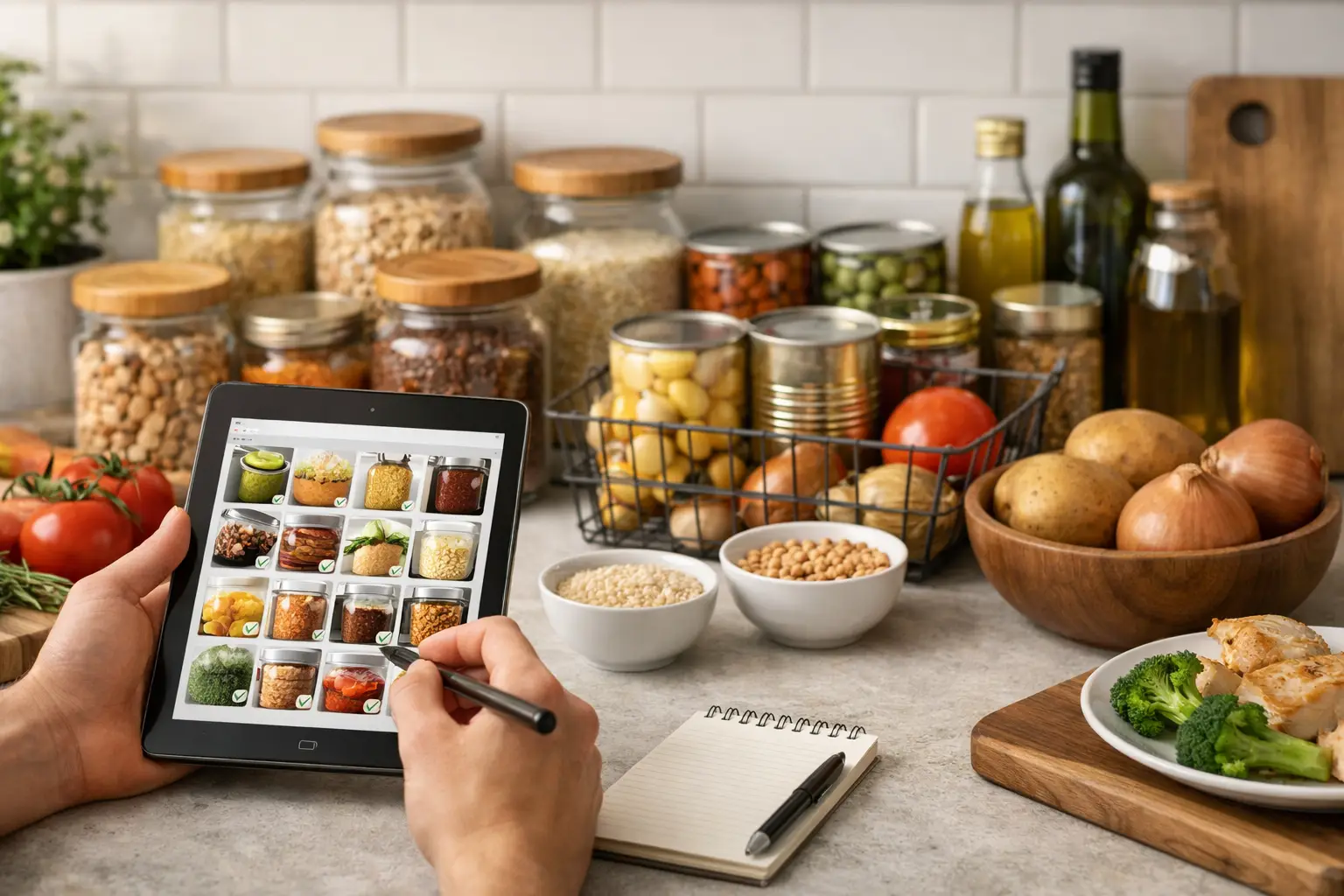
The half-used bag of rice behind the cereal boxes, the second jar of paprika, the can of beans that expired two years ago – these are small clues that your kitchen is working harder than it needs to. A pantry inventory system gives every staple a place and gives you a clear answer to the nightly question: “What can I make with what we have?”
It does not need to look like a restaurant stockroom or require an elaborate app. For most homes, the best system is one you can keep up with between grocery runs, busy workdays, and the occasional last-minute dinner guest. The goal is simple: see what you own, use it well, and shop with more confidence.
Before buying containers or printing labels, take a realistic look at your space. A tall cabinet, a deep closet pantry, a few kitchen shelves, and a compact apartment cupboard all need different solutions. The most beautiful organizing method is not useful if it makes everyday ingredients hard to reach.
Start by taking everything out one shelf at a time. Group similar foods as you go: grains and pasta, canned goods, baking supplies, breakfast items, snacks, sauces, and meal helpers such as broth or boxed mixes. This is also the moment to check dates, toss anything damaged or stale, and set aside unopened items your household is unlikely to use.
Avoid organizing by a picture-perfect category system that does not match the way you cook. If taco night is a regular ritual, keeping beans, tortillas, salsa, and seasoning within easy reach may make more sense than separating every item by food type. If you bake once a month, flour and sugar can live higher up while everyday coffee, oats, and lunchbox snacks claim the most convenient shelves.
Once you know what you have, assign each shelf or bin a job. Zones make the pantry easier to reset because everyone in the household knows where items belong. They also make it easier to notice when a favorite staple is running low.
A practical setup often includes an everyday zone for the foods you reach for most, a cooking zone for pasta, grains, sauces, and canned vegetables, and a baking zone for flour, sugar, chocolate chips, and decorating supplies. Keep a small backstock area for unopened extras rather than scattering duplicates throughout the pantry.
Clear storage canisters are especially helpful for dry goods that arrive in flimsy bags or boxes. They make quantity visible, help protect ingredients from moisture, and create a calmer look on open shelving. Choose shapes that fit your shelves instead of buying matching containers first and hoping they work later. Square or rectangular canisters usually make better use of space than round ones, but wide-mouth jars may be more convenient for frequently used snacks or baking ingredients.
Labels are helpful, but keep them flexible. A label that says “pasta” works for a household that rotates through many shapes. A label that says “penne” may become annoying when spaghetti is all that is left. For canisters, include the item name and, if useful, a quick note about the refill date or cooking ratio.
A pantry inventory system only reduces waste if older items are easy to find. Use a simple first-in, first-out habit: when you bring home a new box of crackers or can of tomatoes, place it behind the older one. This takes seconds and prevents forgotten food from drifting to the back.
For deep shelves, bins or shallow baskets can act like drawers. Pull out the whole category to see what is inside, then slide it back. Turntables work well for oils, vinegars, sauces, and smaller jars, though they can waste room in a narrow pantry. There is no single right setup – choose the tool that makes your shelves easier to use.
The tracking part of a pantry inventory system should feel light, not like another household chore. A handwritten list on the fridge works beautifully for some families. Others prefer a notes app shared with a partner, while spreadsheet fans may enjoy sorting items by category, quantity, and expiration date.
A simple inventory needs only a few details: the item, how many you have, and whether it is time to buy more. If dates are a concern, add a “use soon” note rather than trying to record every best-by date. Most shelf-stable foods are not automatically unusable the day after a printed date, but quality can decline, and damaged, bulging, leaking, or unusually smelling products should always be discarded.
Try one of these approaches based on your routine:
For many homes, the weekly glance offers the best balance. It catches low supplies before a grocery trip without creating a daily task. If you buy in bulk, add a quick monthly reset so the backstock does not become a mystery zone.
The real reward is not a tidier shelf. It is the ease of planning dinner without starting from zero. Before writing a grocery list, look for ingredients that can anchor two or three meals. A can of chickpeas can become a crisp snack, a salad add-in, or the base of a cozy pantry stew. Pasta, tomatoes, broth, and a few spices can become a reliable dinner with whatever fresh produce is in the refrigerator.
Create a short list of meals your household can make from familiar staples. Think tomato pasta, bean tacos, grain bowls, breakfast-for-dinner, soup and grilled cheese, or sheet-pan vegetables with rice. Keep the list inside a cabinet door or in your phone so pantry ingredients feel like possibilities, not clutter.
This approach also makes entertaining feel less stressful. When you know you have crackers, nuts, sparkling water, coffee, and a few baking basics on hand, an impromptu visit does not require a frantic store run. A well-stocked pantry supports the relaxed kind of hosting where the table can be simple and still feel thoughtful.
A packed pantry is not necessarily a helpful one. Buying every sale item can create duplicates, crowd out foods you actually enjoy, and make it harder to find what needs using. Instead, keep a core set of staples based on your real eating habits, then build variety around it.
For example, a household that cooks quick weeknight meals may rely on canned beans, diced tomatoes, pasta, rice, broth, olive oil, spices, and a few favorite sauces. A frequent baker may prioritize flour, sugar, vanilla, leavening, chocolate, and parchment paper. There is no reason to maintain a large supply of specialty ingredients for recipes you never make.
Give yourself permission to edit the system as your seasons change. Summer may call for grilling sauces, drink mixers, and picnic-friendly snacks. Cooler months may bring more soups, baking projects, and cozy breakfast ingredients. Attractive canisters, practical baskets, and a well-placed tablecloth can make seasonal routines feel a little more special, but function should always lead the design.
At Kitchen Bay, we believe the best kitchen upgrades make daily life feel more inviting, not more complicated. Your pantry does not have to be flawless to be useful. A few clear zones, visible staples, and a simple check-in can turn the ingredients you already own into easier meals, calmer grocery trips, and more reasons to cook, create, and celebrate at home.







Leave a comment