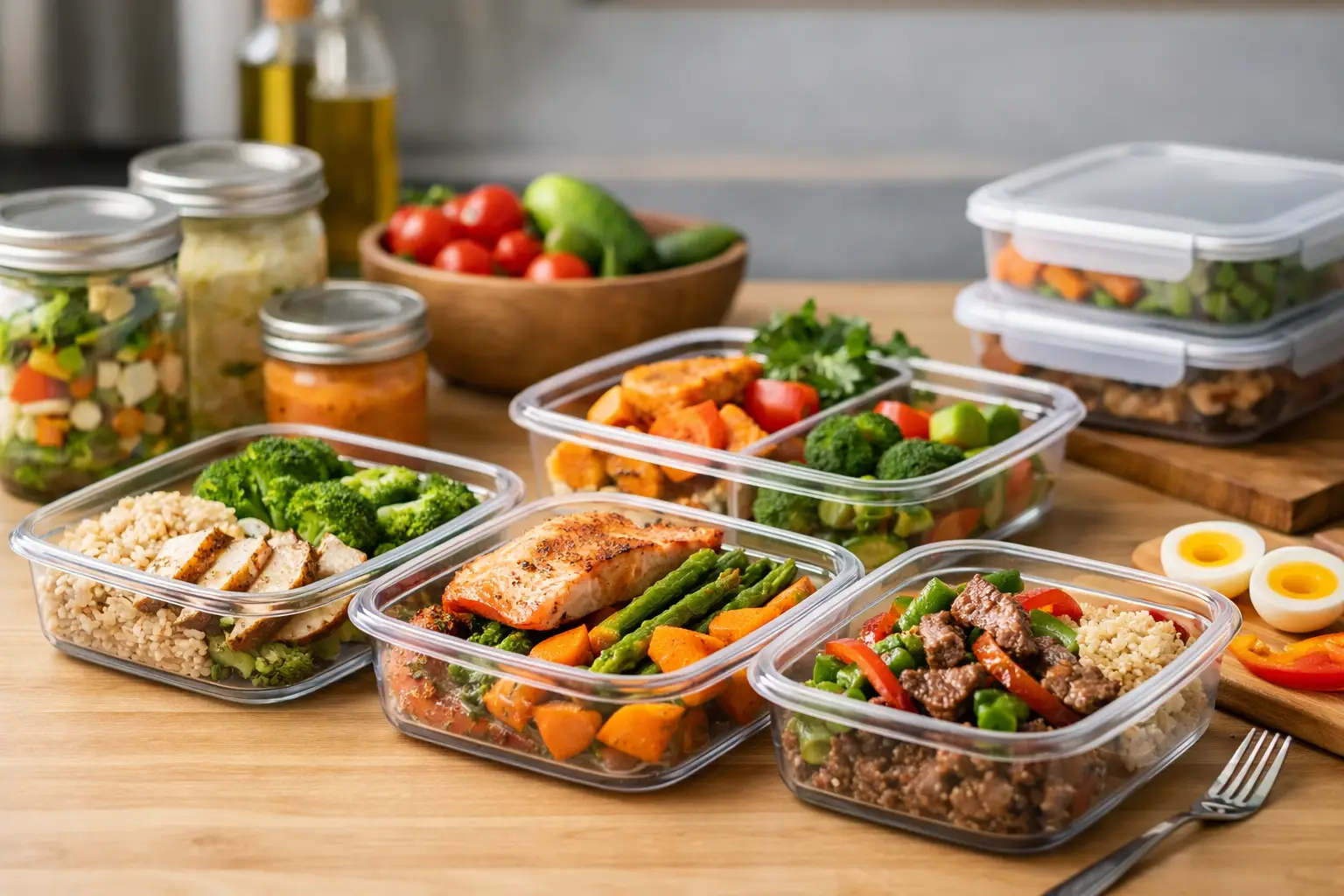
The best Sunday meal prep no longer looks like a refrigerator packed with seven identical containers of chicken and rice. For many households, that approach creates as much pressure as it saves. Current meal prep trends favor a more flexible rhythm: prepare the parts you will actually use, keep them fresh in smart storage, and leave room for the dinner you suddenly feel like making on Wednesday.
That shift is good news for busy home cooks. A few well-chosen kitchen essentials, a realistic plan, and ingredients that can move from lunch bowls to family dinners can make the week feel noticeably calmer. The goal is not to turn your kitchen into a meal factory. It is to make cooking, packing lunch, and gathering around the table easier.
The biggest change in meal prep is a move away from rigid, fully assembled meals and toward component prep. Instead of making five finished lunches, people are roasting vegetables, cooking a grain, washing greens, preparing a protein, and keeping a flavorful sauce on hand. Those basics can become different meals throughout the week.
A batch of roasted sweet potatoes can join eggs at breakfast, a grain bowl at lunch, and tacos at dinner. Freshly blended dressing can brighten salads or serve as a dip for vegetables. This approach helps reduce the familiar problem of getting tired of your own food by day three.
It also works better for households where everyone eats a little differently. One person may want a hearty bowl, another may prefer a wrap, and kids may like the ingredients served separately. Prepped components create options without requiring a separate meal for each person.
Start with a short list of building blocks you genuinely enjoy. For most weeks, that might mean one cooked protein, one plant-based protein or easy backup, two vegetables, one starch, greens, fruit, and one or two sauces. You do not need all of those categories every time, but the structure makes shopping easier.
The key is choosing ingredients with overlapping uses. Rotisserie chicken can become salad topping, sandwich filling, or a quick skillet meal. Cooked rice can work in bowls, fried rice, or alongside a stir-fry. A simple lemony vinaigrette can make several meals taste finished without adding another cooking project.
This is also where a little visual planning helps. Before shopping, picture three meals you can make from the same core ingredients. If you cannot imagine how an item will be used twice, buy a smaller amount or save it for a more specific recipe week.
Freshness is one reason flexible prep has caught on. Delicate greens, sliced fruit, and crunchy vegetables do not always hold up the same way as baked pasta or soup. Organizing food by how it stores best, rather than forcing every ingredient into matching containers, makes a real difference.
A good set of food storage containers should help you see what you have, stack neatly, and separate wet ingredients from dry ones when needed. Use shallow containers for cooked grains and proteins so they cool promptly. Keep dressings, dips, and toppings in smaller containers. Store washed greens with a paper towel to help manage excess moisture, and wait to dress salads until serving.
Clear storage can also make meal prep more inviting. Opening the refrigerator to colorful berries, chopped peppers, prepared grains, and neatly packed leftovers makes the next meal feel like an easy choice rather than another decision. Storage canisters earn a place in this routine, too. Keeping oats, nuts, pasta, and pantry staples visible and easy to reach supports quicker breakfasts and last-minute dinners.
There is a trade-off, of course. Glass containers are sturdy, easy to clean, and useful for reheating, but they can be heavier for packed lunches. Lightweight containers may be more practical for commuting or school bags. Choose what fits your household’s habits, not what looks most impressive in a pantry photo.
Many people are discovering that the freezer is a better meal prep partner than the refrigerator. Rather than preparing every meal for the workweek on Sunday, they cook a few extra portions and freeze them in meal-sized containers. This creates a personal convenience-food stash for the nights when schedules unravel.
Soups, chili, cooked beans, breakfast burritos, marinara sauce, meatballs, and baked pasta tend to freeze especially well. Label containers with the meal name and date so that your freezer stays useful instead of becoming a mystery zone. A simple piece of tape and a marker can save you from defrosting an unlabeled container at 6 p.m.
Freezer prep works particularly well for small households. A full recipe may make more than two people can comfortably eat in a few days, but freezing half prevents waste and gives you a future dinner with very little effort. For larger families, frozen portions can cover a lunch, an after-school snack, or a backup meal when plans change.
The current approach to meal prep is less focused on doing everything from scratch. Convenience ingredients are no longer a failure of planning. They are often what makes a plan sustainable.
Pre-washed greens, frozen vegetables, canned beans, store-bought broth, cooked grains, and a quality sauce can all shorten prep time while still leading to meals that feel homemade. The difference is intentional use. Pair a shortcut with something fresh, such as turning canned beans into a bright salad with chopped herbs and citrus, or adding roasted frozen vegetables to a bowl with a quick homemade dressing.
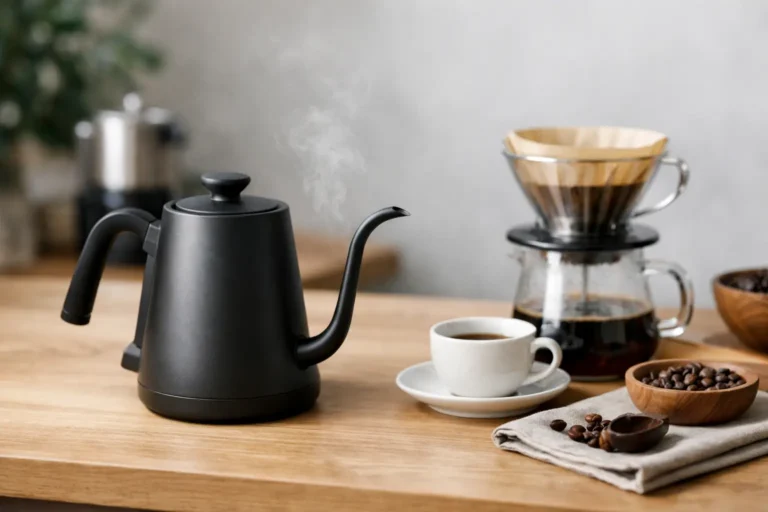
Small appliances can make those finishing touches faster. An immersion blender is handy for creamy soups, sauces, and dressings without pulling out a full-size blender. A pour-over kettle can make tea, coffee, or a quick stream of hot water for couscous and instant grains. These are modest upgrades, but they support the kind of everyday cooking that keeps meal prep from feeling repetitive.
Lunch and dinner once dominated meal prep, but breakfast and snacks are now where many routines succeed or fail. A prepared breakfast can prevent the rushed coffee-only morning. A satisfying snack can keep everyone from arriving home too hungry to make a thoughtful dinner choice.
Instead of making a week of identical jars or bars, prepare mix-and-match options. Portion yogurt toppings separately, bake a batch of egg bites, wash fruit, or create a snack station with nuts, crackers, cheese, and cut vegetables. The best choice depends on what gets eaten in your home. If your family reaches for savory snacks, do not force a lineup of sweet energy bites just because they looked appealing online.
For entertaining weekends or busy holiday weeks, prep can extend beyond meals. Set out drinkware, placemats, and serving pieces in advance, then make one or two easy sauces or dips ahead. A little preparation lets you spend more time with guests and less time searching for the right serving spoon.
A practical routine starts smaller than most people expect. Choose one prep session of 60 to 90 minutes and focus on making the next few days easier, not perfect. Wash produce, cook one or two versatile items, portion a few snacks, and make a sauce or dressing. Then leave space for leftovers, takeout, and the unexpected invitation.
Keep a running note of what worked. Maybe overnight oats stayed fresh but no one wanted the third serving. Maybe a freezer soup saved a hectic Thursday. Those details matter more than following a viral formula. Over time, your meal prep becomes a personal collection of reliable habits.
Kitchen Bay believes the most useful kitchen is one that supports your real life – quick breakfasts, packed lunches, cozy dinners, and tables set for people you love. Let your routine be flexible enough to change with the week, and your prepared ingredients will feel less like a chore and more like a welcome head start.
The most rewarding prep plan is not the one with the fullest refrigerator. It is the one that gives you a little more time to cook, create, and celebrate when it counts.







Leave a comment