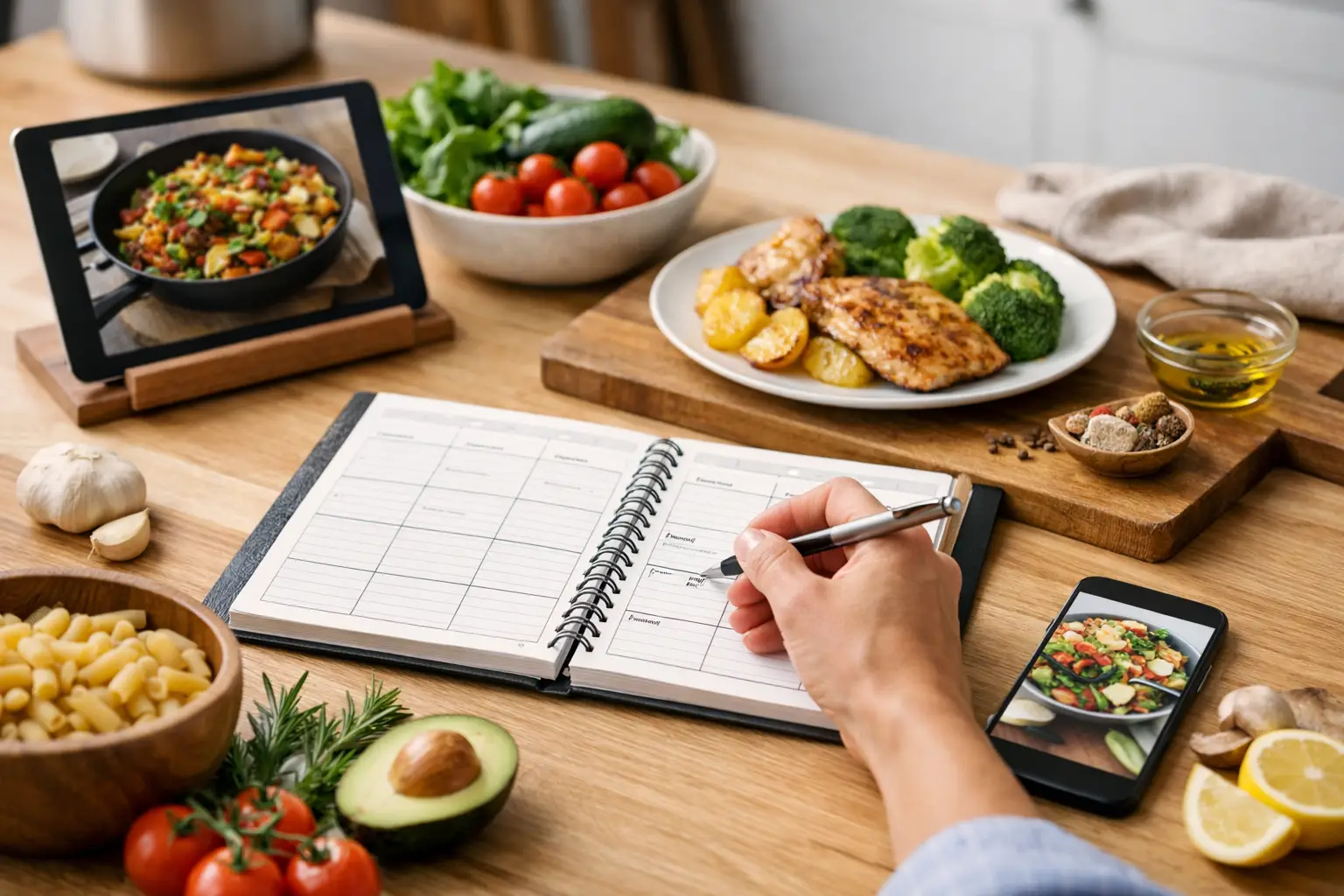
A good dinner plan does more than answer the 5 p.m. question of what to make. The best recipe planners give your week a little breathing room: fewer last-minute grocery runs, less forgotten produce in the crisper, and more meals that feel worth gathering around. Whether you cook for one, feed a busy family, or love inviting friends over, planning can make everyday food feel far less rushed.
Recipe planners are not meant to turn your kitchen into a strict schedule. They are a practical place to collect meal ideas, match them to your calendar, and create a grocery list with a purpose. Think of one as a helpful bridge between the recipes you save, the ingredients you already own, and the time you realistically have on a Tuesday night.
That last part matters. A beautiful plan that calls for a three-hour roast on your busiest day will not make life easier. The most useful approach is built around your real routine: workdays, school nights, weekend plans, grocery budget, and the energy you expect to have when it is time to cook.
For many households, planning also helps stretch ingredients across multiple meals. Roast chicken one night can become chicken salad wraps the next. A bunch of herbs can brighten pasta, eggs, and a simple vinaigrette. Buying with a few connected meals in mind makes the refrigerator feel more organized without requiring a complicated system.
It is tempting to begin by choosing seven exciting recipes. Instead, look at the shape of your week first. Mark the night you will be home late, the evening you want an easy comfort meal, and the day when you may have time to cook something that creates leftovers. Then choose recipes to fit those moments.
A weekly plan works best when each meal has a clear role. You may want one quick pantry dinner, two simple fresh meals, one batch-cooking recipe, and one flexible meal for leftovers or takeout. That leaves room for life to happen while still giving you a dependable framework.
A quick meal could be pasta with greens and a bright lemony sauce. A batch meal might be soup, chili, grain bowls, or baked chicken and vegetables. Flexible meals are especially valuable because they use what remains instead of demanding a separate shopping trip. Omelets, fried rice, quesadillas, and snack-style dinner boards all work beautifully here.
The easiest recipe planners look for overlap. If one meal uses bell peppers, plan another that uses the rest. If you buy a bag of potatoes, turn them into sheet-pan potatoes one night and a cozy breakfast hash later in the week. This is not about eating the same thing repeatedly. It is about giving every ingredient a second chance to shine.
Try to balance a few reliable favorites with one new idea each week. Familiar meals keep planning quick and confidence high. A single new recipe adds just enough interest without leaving you with a shopping cart full of specialty ingredients you may never use again.
A plan hidden in a phone note can be useful, but a visible version often works better for a shared household. Write the week on a kitchen notepad, a fridge calendar, or a simple printed page near your pantry. When everyone can see what is coming, it is easier to thaw ingredients, offer help, or switch meals before something goes to waste.
Once meals are selected, check your refrigerator, freezer, and pantry before adding anything to your list. This small pause keeps duplicate purchases from piling up and can spark a new meal idea from what you already have.
Group the list in the order you shop: produce, proteins, dairy, pantry, and household essentials. It sounds simple, but it helps you move through the store with less backtracking and fewer impulse extras. If you order groceries online, the same categories make it easier to review your cart and spot ingredients that are not connected to a planned meal.
It also helps to separate must-have ingredients from nice-to-have extras. Need pasta for Wednesday? Put it on the must-have list. Curious about a new sauce or seasonal fruit? Add it as an optional treat. This gives your budget room for a little inspiration without losing track of the basics.
Meal planning does not require spending Sunday afternoon preparing every component. Even 20 minutes of light prep can change the pace of the week. Wash greens, portion snacks, chop sturdy vegetables, or mix a dressing that will keep for a few days. Store everything in clear, well-sealed canisters or containers so ingredients are easy to spot when you need them.
Choose prep tasks based on what you enjoy. Some home cooks love cutting vegetables ahead of time; others would rather cook one versatile grain or blend a quick sauce. There is no prize for doing the most. The goal is to remove one or two friction points from the meals you are most likely to make.
A few helpful tools can make this routine more inviting: measuring cups that are easy to reach, storage canisters for dry staples, bakeware for sheet-pan meals, and a dependable immersion blender for soups, dressings, and sauces. At Kitchen Bay, these everyday pieces are selected to support the kind of cooking that feels both practical and enjoyable.
Your meal plan should work with your kitchen, not against it. If your pantry is hard to scan, you may forget what you own and buy more than you need. If leftover containers are mismatched or tucked away, that carefully planned lunch may never happen.
Create a small zone for weeknight essentials: pasta, grains, canned beans, broth, cooking oils, and seasonings you use often. Keep a few go-to recipes in the same place, whether that is a notebook, a digital folder, or recipe cards in a drawer. When the building blocks are easy to find, cooking feels less like a project.
This is also where a little table-setting inspiration can help. A planned meal does not need to be elaborate to feel special. Set out placemats, pour water into favorite glasses, or use a tablecloth for a casual weekend dinner. The meal may be simple, but the ritual tells everyone it is time to slow down and enjoy it.
The strongest recipe planners include flexibility from the start. Fresh fish may not look great at the store. A meeting may run late. You may simply want something different than what you planned. Rather than treating that as a failure, swap meals around and save delicate ingredients for earlier in the week.
Keep one or two pantry-based backup meals on hand for these moments. A jarred sauce, canned beans, noodles, frozen vegetables, and a few smart seasonings can become dinner without much notice. Backup meals are not a compromise. They are what make a plan realistic.
Start small if weekly planning feels new. Plan three dinners, one lunch, and one flexible leftover night. After a few weeks, you will see which recipes earn a permanent place in your rotation and which routines make your kitchen feel calmer. A plan is most helpful when it leaves you more time to cook, create, and celebrate the meals already waiting in your home.








Leave a comment