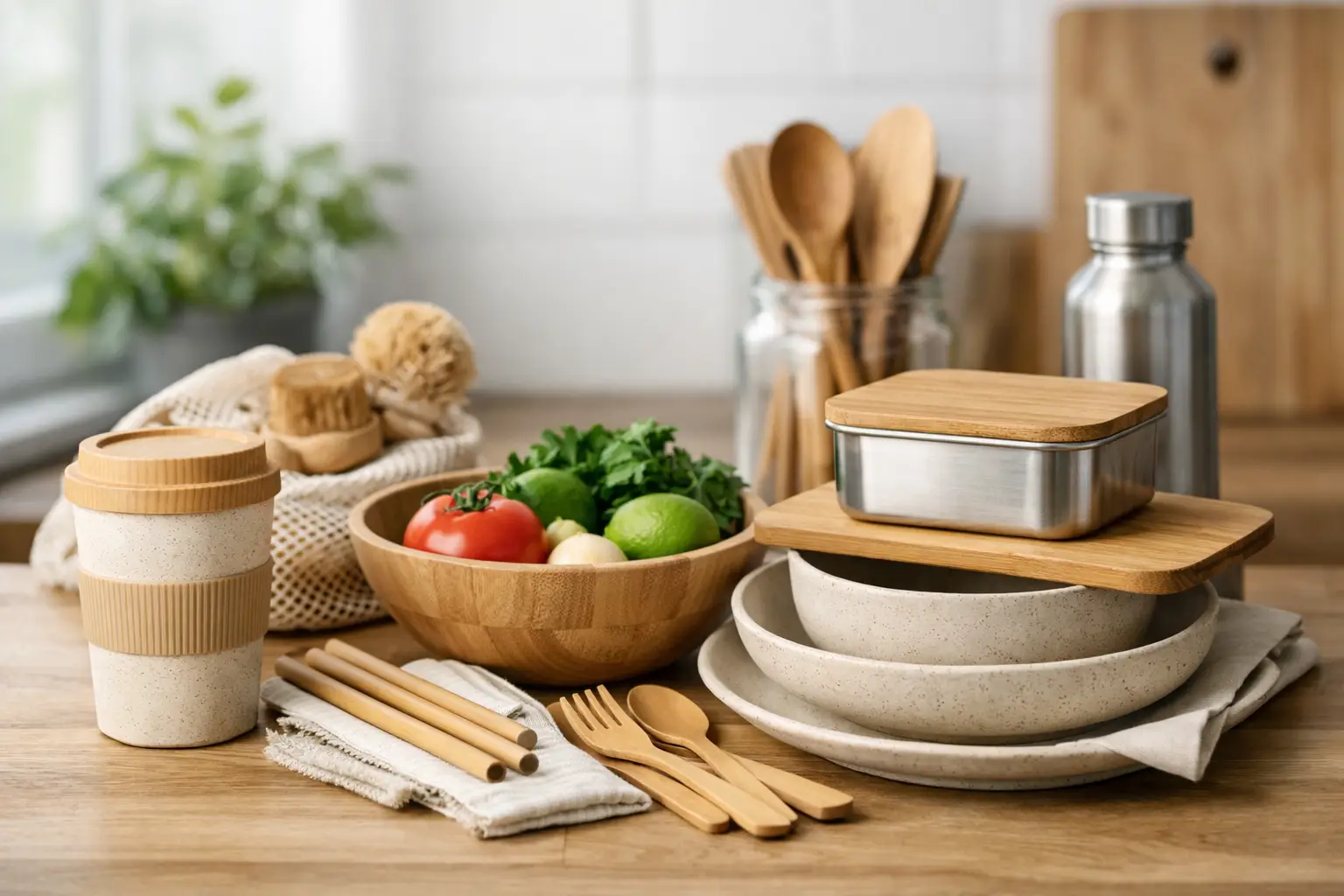
A kitchen refresh does not have to mean replacing everything at once. The most useful sustainable kitchenware trends focus on the items you reach for every day: storage that keeps food fresh, drinkware you love using, durable bakeware, and tools that earn a permanent spot in the drawer. The goal is less about creating a picture-perfect eco kitchen and more about choosing pieces that work hard, look good, and stay useful through countless meals, coffee breaks, and gatherings.
For home cooks and hosts, sustainability has become closely tied to practicality. A thoughtfully chosen glass canister can help cut pantry waste. A well-made kettle can make a daily pour-over ritual feel more intentional. A set of washable placemats can bring color to the table without becoming another single-use purchase. Here is what is shaping the kitchen now, and how to choose trends that make sense for your home.
The strongest shift is simple: shoppers are moving away from disposable convenience and toward products designed for repeat use. That does not mean every kitchen item needs to be expensive or heirloom-grade. It means looking for quality where it matters most – the items exposed to heat, frequent washing, sharp utensils, or daily handling.
Durable materials such as borosilicate glass, stainless steel, cast iron, ceramic, and responsibly sourced wood remain popular because they can hold up beautifully over time when cared for properly. Glass storage containers, for example, make leftovers easy to see, can often move from refrigerator to microwave or oven depending on the product, and do not retain lingering food odors the way some older plastic containers can.
There is a trade-off, of course. Glass can break if dropped, cast iron needs occasional seasoning, and wood should not sit soaking in water. But care is part of the value. A kitchen filled with pieces you maintain and enjoy tends to create less replacement shopping than one built around quick fixes.
When comparing options, consider how the item will live in your routine. A heavy Dutch oven may be a joy for weekend braises but unnecessary in a small apartment kitchen. A lightweight stainless steel mixing bowl might be the more useful choice for a household that cooks often and stores equipment in tight cabinets.
Pantry organization and food storage are no longer hidden chores. Clear canisters, stackable containers, labeled jars, and reusable covers are becoming part of the visual rhythm of the kitchen. This trend works because it solves two common frustrations at once: forgotten ingredients and cluttered shelves.
A transparent canister makes it easier to notice when oats, rice, coffee, or baking staples are running low. That visibility can help reduce duplicate purchases and let you plan meals around what is already on hand. Airtight storage also helps protect dry goods from moisture, which matters when you are buying larger packages to reduce packaging waste.
The most sustainable setup is not necessarily a wall of matching containers. Start with the staples you use regularly, then choose storage in sizes that fit your household. A couple may get more value from smaller containers that prevent half-used ingredients from going stale. A busy family may prefer larger canisters for cereal, pasta, flour, and snacks.
Reusable silicone food covers, washable bowl covers, and durable lunch containers also support a lower-waste routine. They are especially helpful for packing lunches, covering prepped ingredients, and saving restaurant leftovers. Look for pieces that are simple enough to wash and store. If a reusable alternative is too fussy to use, it is less likely to replace disposable wrap consistently.
Material claims can be helpful, but they are only one part of a smart purchase. Bamboo, recycled glass, recycled stainless steel, organic cotton, and plant-based materials all have appeal, yet each comes with its own limits. A bamboo utensil may be gentle on nonstick surfaces, but it can crack if left in water. Recycled materials may reduce demand for virgin resources, but durability still depends on the product’s construction.
Look beyond a front-label buzzword and ask a few practical questions. Will this item last through regular use? Can it be repaired, recycled, donated, or repurposed when its original job is done? Does it replace something disposable or solve a real need in your kitchen?
This approach also helps with trendy materials marketed as compostable. Compostable utensils or food-service products can be useful for certain events, but they are not always the best fit for everyday home use. Many require commercial composting conditions, and a durable reusable plate, napkin, or serving piece may be the better choice for a dinner party at home.
Sustainability is not just about what a product is made from. It is also about how it supports daily habits. Compact, efficient tools can help home cooks prepare food with less time, less water, or less energy than larger appliances and wasteful routines.
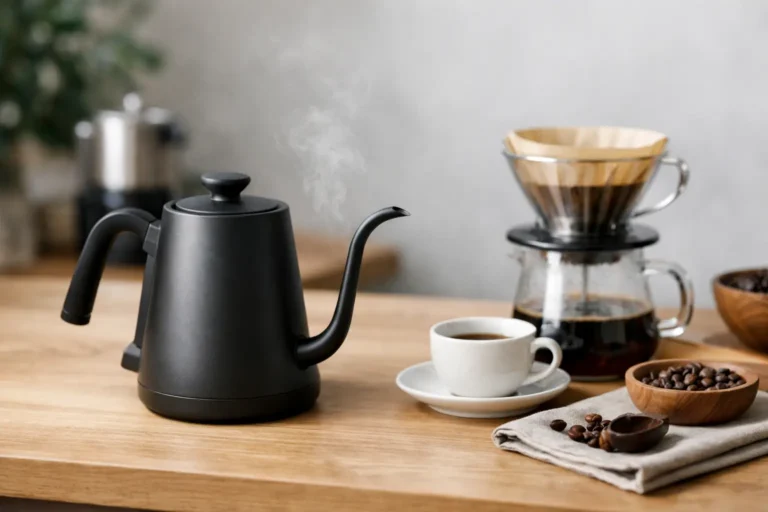
An immersion blender is a good example. It can blend soups, sauces, smoothies, and dressings directly in a pot or cup, reducing the number of dishes to wash. A gooseneck pour-over kettle gives coffee drinkers more control over water flow, which can make a small daily ritual more satisfying and help avoid brewing more coffee than will be enjoyed.
The best tool is the one you will actually use. Before adding a new gadget, consider whether it can take on several tasks or replace a process that creates regular waste. A versatile tool often earns its counter or cabinet space more easily than a single-purpose novelty.
Hosting trends are also becoming more mindful. Rather than buying disposable plates and plastic cups for every birthday, brunch, or backyard meal, more households are building a flexible collection of reusable entertaining essentials. Think everyday drinkware that can shift from Tuesday dinner to weekend guests, cloth napkins, washable tablecloths, placemats, serving bowls, and simple candleholders or lighting that set the mood.
This is where style and sustainability meet naturally. A neutral tablecloth can work across seasons, while colorful placemats can change the feel of a meal without requiring new dinnerware. Mix-and-match glasses create a relaxed table that feels personal rather than overly formal. The aim is not perfection. It is creating a setup that invites people to linger.
For occasional large gatherings, renting specialty pieces or borrowing from friends can make more sense than purchasing items that will sit unused for most of the year. Sustainability often looks like choosing less, but choosing with more intention.
Start by taking stock of what already works. Replacing a functional utensil set solely because a new version is labeled green rarely delivers the same benefit as upgrading a cracked storage container, worn-out sponge system, or mismatched table essentials you avoid using.
Then prioritize the purchases that support repeatable habits. If you meal prep, begin with dependable reusable storage. If you bake, choose sturdy measuring tools and bakeware you can rely on for years. If you host often, invest in washable linens and versatile drinkware that make every gathering feel a little more special.
It also helps to avoid chasing every trend at once. A coordinated kitchen can be built gradually, with colors, materials, and shapes that feel right for your space. Kitchen Bay’s approach is simple: choose practical pieces with visual appeal, so the things that make cooking and entertaining easier also make your home feel more like yours.
The most meaningful kitchen changes are usually the quiet ones: packing leftovers in a container you trust, reaching for a cloth napkin, using up pantry staples before buying more, or setting a table that makes an ordinary dinner feel worth celebrating. Choose one useful upgrade, use it often, and let your kitchen evolve around the rituals you want to keep.







Leave a comment